Digging into a bag of specialty coffee from volcanic lands feels a bit like uncovering hidden treasure. Buried deep within these grounds, especially those from guatemala micro lots, are rich stories as complex as their flavors.
Coffee nerds cherish nuance and place. That’s why guatemala micro lots promise more than just a caffeine hit—they capture history, craft, and the pulse of dramatic landscapes.
If you crave clarity behind every cup, trace the journey from soil to harvest. Read on to discover what makes these volcanic micro-lots so powerfully distinct, and how their unique ground shapes every extraordinary sip.
Soil Chemistry Shapes Every Harvest and Bold Flavor Note
Understanding the role of volcanic soil in guatemala micro lots gives coffee lovers a concrete lens for exploring differences in taste and aroma.
Volcanic soils brim with minerals like magnesium and potassium. When plants pull these up, they translate buried earth into lively, sweet, and structured coffee profiles—making each harvest truly memorable.
Assessing Soil Through the Grower’s Journal
Farmers use visual cues like leaf color and plant vigor to gauge soil health. A seasoned grower might say, “When the leaves shine deep green, my guatemala micro lots will yield lush, juicy beans.”
After harvesting, a split test—two neighboring micro-lots processed separately—lets producers observe how subtle shifts in soil or technique create a noticeable difference in flavor.
This tracking becomes a living record. By comparing notes year over year, growers fine-tune both fertilization and micro-lot selection, extracting the best from the volcanic terrain.
From Lava to Latte: The Micro-Lot Journey
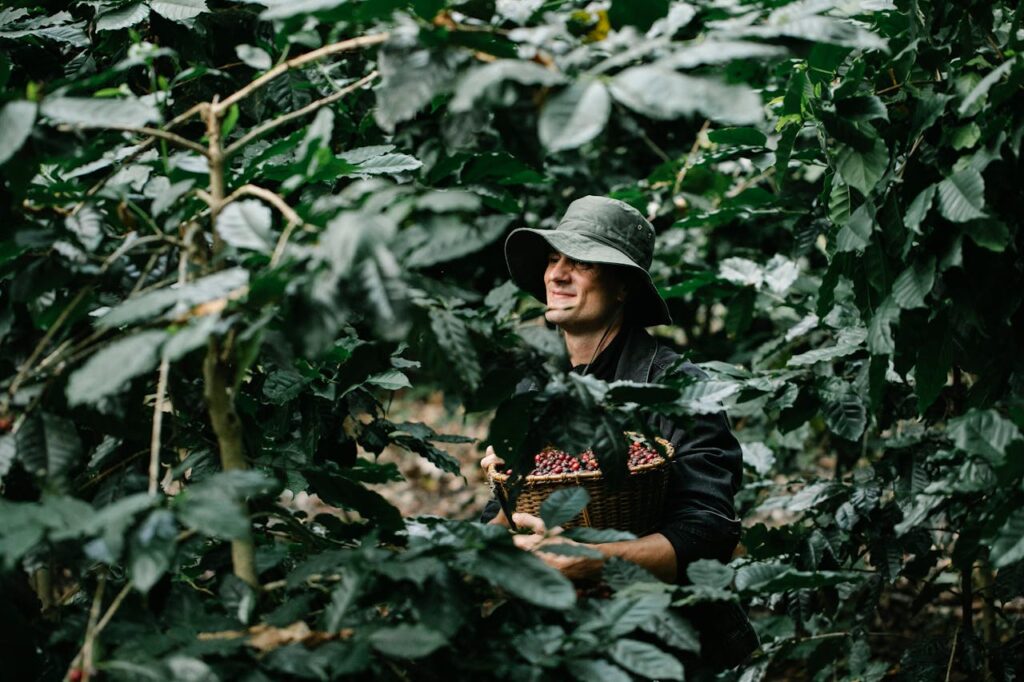
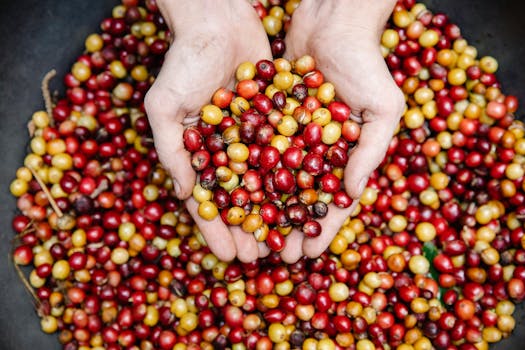
It starts on steep slopes where morning fog lingers. As workers hand-pick cherries, each plant’s reaction to the mineral content determines ripeness and flavor development, particularly evident in guatemala micro lots.
Processing is typically meticulous. Smaller volumes allow for hand sorting and micro-batch fermentation, preserving each plot’s character and linked directly to soil signatures beneath the roots.
Once roasted and cupped, experts detect signature notes—subtle spice, cocoa, and floral sweetness—all direct expressions of the ground, the weather, and the precise care given each harvest.
| Soil Trait | Impact On Beans | Observable Flavor Note | Takeaway For Roaster |
|---|---|---|---|
| High Potassium | Boosts sweetness | Honeyed, fruity | Roast light to showcase sugar structure |
| Magnesium-rich | Enhances acidity | Bright citrus, lively | Develop acidity for refreshing cup |
| Volcanic Ash Content | Improves plant health | Clean, crisp finish | Support clarity; avoid heavy roasting |
| Organic Matter | Increases mouthfeel | Thick, rounded body | Suggest medium roast for texture |
| Well-drained clusters | Prevents root disease | Pure, defect-free cup | Promote micro-lot separation |
Cultivation Tactics Ensure Distinct Micro-Lot Identity in Every Cup
Strict farm rules make each guatemala micro lot unique, giving buyers confidence that every batch reflects its precise origin and soil makeup rather than generic profiles.
Plot-level mapping sets the rules: flagging terrain by slope, altitude, and shade. “Harvest plot 6A only this week—it’s ready,” a foreman might say, ensuring micro-lots stay true to their identity.
Row Markers and Harvest Timelines
Farmers establish marker posts at plot borders. Crew leaders then record pick dates and conditions, keeping guatemala micro lots pure from blending or accidental mixing.
- Flag each row: Guide pickers visually so only fully ripe cherries from one lot are harvested, making sorting more precise.
- Use separate containers: Avoid blend errors, especially when multiple ripening stages occur within a field, to preserve micro-lot clarity.
- Record micro-lot logs: Track every day’s harvest details—temperature, rain, picking team—which helps with traceability and quality checks later.
- Sample at multiple ripeness levels: Allow cuppers to compare, then advise future picking so sweetness and acidity balance remain at a high level for each guatemala micro lot.
- Label processed batches: Mark every fermentation vessel with origin, date, and lot number, simplifying post-harvest analysis and sales marketing.
Following these steps, producers can return season after season to refine each lot’s identity, creating a history of flavor evolution and reliable performance for roasters.
Processing on the Micro Scale
Smaller batches mean tighter control of fermentation and drying—two areas where mistakes show quickly in taste. Each guatemala micro lot gets individualized attention.
- Rotate drying beds frequently: Allow even air flow to prevent inconsistent drying, which can dull or flatten a lot’s natural vibrancy and sweetness.
- Monitor weather shifts hourly: Shield parchment coffee under cloudy sky or boost sun exposure post-rain to keep drying on track and avoid mold issues.
- Sample moisture percentage: Spot check before hulling beans; if levels drop too low, green coffee may age poorly. Keep at optimal 10.5-12% for stability.
- Keep daily sample jars: Compare aroma and moisture daily for early warnings of processing slip-ups. This preserves the signature notes prized in guatemala micro lots.
- Clean equipment meticulously: Small traces from previous lots can overwrite nuance. Washing baskets and tanks between lots lets each batch deliver pure, vivid flavor.
These habit-based controls help maintain the high quality associated with specialty micro-lots, emphasizing precision at every processing step.
Terroir Translates Into Customer Experience with Every Pour
When a barista pours from a guatemala micro lot bag, they’re serving up a unique combination of local ecosystem, careful farming, and detailed handling.
Table Talk: Explaining Micro-Lot Distinctions To Curious Customers
Café staff bridge the gap with simple explanations. For example: “This batch comes from just two acres north of the volcano, harvested by hand and sun-dried to showcase a clean stone fruit note.”
Offering a tasting flight lets newcomers try a couple of guatemala micro lots side by side, observing nuanced acidity or sweetness distinct to each spot.
Printed cards at the register outline details: altitude, farmer, and tasting notes, making the journey from origin to cup tangible for customers seeking adventure in every brew.
Pairing Practices for Micro-Lot Coffee at Home
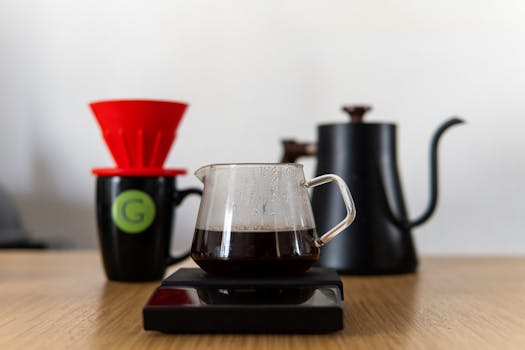
At home, use a pour-over for clean, clear flavor. It highlights the lively structure inherited from the volcanic soil and careful micro-lot selection.
Pair with something sweet but simple—a slice of toasted bread with honey—to accentuate the natural complexity without competing flavors overshadowing the prized essence of your guatemala micro lots.
Try tasting one cup slowly, noting how each sip evolves as it cools. Notice any lingering spice or floral finish, a direct result of soil chemistry in these curated small batches.
Conclusion: Bringing It All Together—Volcanic Micro-Lots On Your Table
Distinctive guatemala micro lots channel the power of place into every cup, translating soil mineral content, weather rhythm, and hands-on care into singular taste experiences.
The world of specialty coffee opens when you explore how micro-lots reflect the intersection of earth, climate, and tradition. Each farm’s tiny plot brings something new and unblended for the curious taster.
Embracing differences in small-batch coffee reveals stories of place and craft. Guided by terroir, growers, and buyers, micro-lots like those from Acatenango volcano offer a direct link to both flavor and origin.
Frequently Asked Questions
What makes guatemala micro lots from volcanic regions unique?
Guatemala micro lots from volcanic soils offer higher nutrient content from ash and minerals. This directly impacts bean density, sweetness, and cup clarity, making each harvest distinct and giving your brew pronounced, lasting complexity.
How do farmers keep micro-lots separate during harvest?
Farmers flag, map, and log plots with boundary markers, separate picking containers, and batch labels. This strict separation ensures each guatemala micro lot is traceable, preserving its unique taste and selling story.
Can home brewers notice differences between micro-lots?
Absolutely. If you brew two guatemala micro lots side-by-side, you’ll often find one leans floral and crisp, another honeyed and deep, based on subtle soil or processing variations—experimenting brings these differences alive.
What’s the impact of batch size on micro-lot quality?
Small batch sizes allow more control over fermentation and drying. This focused handling limits errors, helping each guatemala micro lot maintain purity and that sought-after vibrant, layered flavor.
Which brewing method best highlights volcanic micro-lot character?
Pour-over or Aeropress brewing with fresh, filtered water best reveals clear acidity and sweetness found in guatemala micro lots. Aim for medium grind and modest extraction times for clarity and balance.