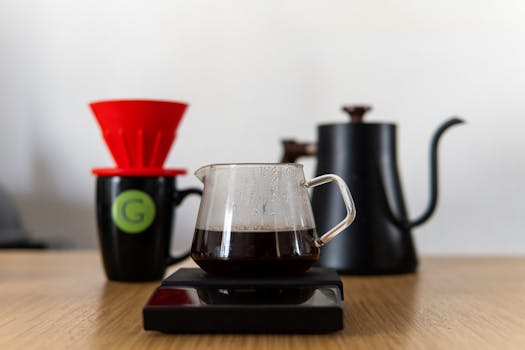

Walking into a café and seeing micro-lot coffee listed sparks the same curiosity as spotting a rare book at a street fair. These aren’t your everyday brews. They are stories in a cup, each with a fingerprint distinct from the last. Among these, ethiopian heirloom coffee stands out for nuance and surprise.
These specialty coffee micro-lots offer a playground for coffee lovers searching for flavor that refuses to blend into the background. Chasing the flavors of ethiopian heirloom coffee isn’t about hunting trends; it’s about journeying into layers of taste, aroma, and tradition that keep faithful to their roots.
If you’ve wanted your coffee ritual to be less routine and more revelation, this exploration of ethiopian heirloom varieties delivers insight for every curiosity. Discover aroma maps, tasting rules, buyer’s tips, and expert answers to become fluent in micro-lot flavor diversity.
Identify Flavor Patterns in Micro-Lots Using Practical Observation
Start your journey with an actionable approach: compare your tasting notes against specific ethiopian heirloom coffee markers. This hands-on method ensures you’re drinking with intention, not habit, and reveals each cup’s narrative.
Many micro-lot enthusiasts note their senses reacting most vividly to unexpected fruit, floral, and even herbaceous qualities. Mapping these traits helps build a vocabulary for describing what makes one ethiopian heirloom coffee distinct from another.
Spotting Distinct Fruit Signatures Like a Pro
Begin by noting any hint of blueberry, raspberry, or peach on your tongue’s mid-section. When someone says, “It’s sweet, like ripe mango,” jot that reaction. Over time, flavor memory reveals subtle varietal differences that define specialty coffee micro-lots.
If an ethiopian heirloom coffee cup shows a burst of strawberry, don’t dismiss it as odd. This is a core part of what makes these micro-lots valuable: each fruit note proves genetic diversity in the beans.
Training your palate takes patience, but even beginners can catch on. After ten tastings, you’ll feel confident saying, “This micro-lot reminds me of fresh berries,” which builds credibility when exchanging notes with other enthusiasts.
Testing for Floral and Spicy Undertones
After you’ve honed in on fruit, shift your senses to lighter notes. Try saying, “I’m picking up a touch of jasmine, like a spring bouquet.” Use analogies from daily experiences to anchor these impressions.
Spicy qualities can offer a pleasant surprise. An ethiopian heirloom coffee with a wisp of cardamom or bergamot becomes memorable when you can identify it. Even a simple, “It reminds me of chai,” enriches your tasting language.
Record your findings immediately. This structure helps separate random guesses from deliberate discovery and improves clarity with every cup. With practice, describing flavors becomes almost automatic.
| Varietal Name | Common Flavor Notes | Processing Method | Takeaway Tip |
|---|---|---|---|
| Wolisho | Peach, bergamot, jasmine | Washed | Note clean, tea-like body with lingering floral aftertaste |
| Dega | Berries, stone fruits, black tea | Natural | Expect bright acidity and sweeter, jammy profile |
| Kudhume | Cherry, honey, citrus | Washed | Pair with citrus-forward desserts for synergy |
| Kurume | Lemon zest, jasmine, floral | Natural | Enjoy in smaller pours to savor high aroma complexity |
| Mekicho | Tropical fruit, vanilla, spices | Honey | Try with a splash of oat milk to enhance creaminess |
Build Your Micro-Lot Palate: Set Taste Goals and Use a Checklist
Aiming to recognize patterns in ethiopian heirloom coffee fuels your sense of progress. Specific goals keep you from getting lost in novelty and help pinpoint which lots you should revisit or avoid next time.
Use a tasting checklist for every new micro-lot brew. For example, “Did I notice a pronounced acidity? Did florals linger after swallowing?” This structure transforms guesswork into learnable skill.
Core Checklist for New Micro-Lot Drinkers
Establish a repeatable tasting ritual: swirl, sniff, slurp, jot notes. Compare against the checklist below for each ethiopian heirloom coffee, no matter your experience.
- Observe aroma intensity first—deeply inhale from the cup to spot floral or fruit scents, then write your initial reaction. This jumpstarts your palate’s engagement from the outset.
- Taste for clarity—sip slowly and name every clear flavor, even the subtle ones. Clarity in ethiopian heirloom coffee is prized, so don’t rush through this step.
- Assess acidity—describe as bright, mellow, or sharp, and tie it to specific fruit analogies. Use language like “This reminds me of fresh citrus or green apple.”
- Note sweetness—record whether it’s syrupy, mild, or honey-like, and compare with other cups. Guide your description with references such as “Feels like cane sugar or ripe stone fruit.”
- Judge balance—aftertaste, weight, and overall satisfaction matter. Write: “This cup leaves a lingering sweetness with no harshness,” to summarize your experience.
Consistent use of this checklist deepens your awareness, so each new micro-lot serves as a milestone in your coffee journey.
Refining Nuance with Sensory Exercises
Test your sensory sharpness by doing blind tastings with friends or pulling samples from different ethiopian heirloom coffee shipments. Sensory diversity becomes clearer when you compare notes as a group.
- Blindly sample three micro-lots in sequence—rank order by which offers most distinct fruit note, then reveal identities afterward. This reveals which details jump out, even unprompted.
- Rotate cupping partners—invite both casual drinkers and seasoned tasters, then blend notes. Fresh perspectives highlight traits you might take for granted in ethiopian heirloom coffee.
- Adjust temperature deliberately—sip at varying degrees. Taste evolution over cooling uncovers hidden dimensions, sometimes yielding sweeter or more floral notes at the right moment.
- Use aroma kits and reference wheels—spot-test friends on jasmine, lemon, and berry scents. This builds a descriptive language everyone can use when sharing discoveries in micro-lots.
- Pause between cups—short walks break up palate fatigue. After a reset, you’ll notice fresher layers and avoid missing fleeting flavors that define a stand-out micro-lot.
Sensory training, especially with multiple micro-lot cups, unlocks new levels of recognition you can use confidently in any specialty coffee tasting.
Blend Storytelling With Brewing: Give Each Micro-Lot Its Moment to Shine
Every micro-lot tells a story—from farm to roaster, to your cup. Brewing ethiopian heirloom coffee at home isn’t just repetition; it’s performance. Each cup deserves attention to highlight its rare traits and micro-lot origin.
Match your brewing method to the flavor profile. For fruity, high-acid lots, try a gentle pour-over. For spicy or creamy notes, experiment with immersion brews to add weight and roundness to your cup.
Brewing Commandments for Heirloom Micro-Lots
Start with filtered water, fresh grind, and precise ratios. For a 16:1 brew, that’s 20 grams of coffee to 320 grams water—enough for deep extraction without washing out vibrant ethiopian heirloom coffee flavors.
Bloom your grounds with just-off-boil water, let sit for 30 seconds, and pour in gentle spirals. This slow approach allows gassy, floral notes to bloom, much like letting a wine breathe before a meal.
Always taste across three temperature stages: hot, warm, and near-cool. Record how the cup evolves—the best micro-lots will reveal different fruits, floral, and spice undertones as they cool, reaffirming heirloom diversity in every sip.
Story-Driven Coffee Service at Home
Share tasting details when serving guests: “This micro-lot came from a family plot—listen for lemon and wildflower.” Let the occasion turn into a mini-exploration, inviting friends to describe the first flavor that jumps out for them.
Display information cards about each ethiopian heirloom coffee, including processing method and unique story. Give guests a pen to jot their notes, building shared vocabulary and appreciation for their distinct experience.
If brewing alone, narrate the cup’s journey in a journal. Writing, “This micro-lot’s jasmine hint lingers even after cooling,” cements your palate memory. Over time, these notes guide smarter purchases and richer home rituals.
Flavor Exploration Means Becoming Your Own Coffee Expert
Micro-lot diversity in ethiopian heirloom coffee lets you grow from taster to enthusiast. You’re not just sipping—every choice, note, and brewing experiment puts you closer to expert status in your flavor journey.
The more you immerse in these specialty micro-lots, the more personal your rituals become. Each cup, each new varietal tried, strengthens not only your understanding but also your connection to a global culture of passionate growers and roasters.
The discovery spirit never gets old. With every fresh batch of ethiopian heirloom coffee, you’re not repeating, you’re adventuring—one cup at a time, into layers of origin, craft, and taste. Keep chasing nuance – your next favorite is waiting to be found.
Frequently Asked Questions
Why do ethiopian heirloom coffee micro-lots taste so different from other origins?
Heirloom variety genetics are less uniform, meaning each batch expresses flavors rarely found in commercial blends. This diversity, combined with altitude and processing methods, results in bold, vivid notes unique to small Ethiopian micro-lots.
How many varietals are considered heirloom in Ethiopia?
There are hundreds of documented landrace coffee types in Ethiopia, though many micro-lots are blends of various heirlooms. Each lot’s bouquet comes from a unique mix of beans gathered from smallholder plots.
Is it better to brew ethiopian heirloom coffee as filter or espresso?
Both methods work, but most experts suggest manual filter brewing first. This preserves delicate fruit and floral notes and helps you detect subtle shifts, especially valuable in tasting a specialty micro-lot.
What’s the best way to store micro-lot coffee without losing flavor?
Use opaque, airtight containers stored in a cool, dry pantry. If possible, grind right before brewing to maximize the aromatic punch characteristic of fresh ethiopian heirloom coffee.
Can I age my ethiopian heirloom coffee the way I age wine?
Freshness is key; unlike wine, coffee’s nuanced flavors decline after roasting. For ethiopian heirloom coffee, use beans within two weeks of roast date for the most vivid expression of a micro-lot’s flavor diversity.