Sipping a cup of specialty coffee can be a sensory journey, revealing unexpected flavor notes and stories with every sip. This article invites you to discover the world behind these experiences through a close-up on kenyan micro lots.
The focus on micro-lots shines a light on farm-level choices, terroir, and distinctive profiles. Learning why certain coffees burst with blackcurrant notes shows how refined techniques impact the cup and elevate appreciation for specialty coffees.
Dive below for clear, actionable insights—get to know what sets kenyan micro lots apart, learn how to spot their signature attributes in your next brew, and use this guide to shape your coffee adventures.
Analyzing What Makes Micro-Lots Unique at Origin
Pinpointing what defines a specialty micro-lot helps buyers, baristas, and curious drinkers recognize why these coffees deserve separate attention right at sourcing.
Unlike bulk lots, kenyan micro lots are selected in incredibly small batches—frequently down to a single plot, pick, or experimental process, capturing tiny variations influenced by terroir and farm practice.
Micro-Lot Selection: Using Sensory and Process Rules
When a producer sets aside coffee for a micro-lot, they look for pronounced flavor clarity, exceptional sweetness, or a unique cupping trait. Each decision is cupping-driven.
Farmers in Kenya rely on wet mills to separate micro-lots by cherry ripeness and farm block, taste-testing through the season so only standouts—often with that sought-after blackcurrant note—move forward.
If a cup shows dense, juicy blackcurrant or structured acidity as a distinct layer, it’s marked to remain segregated. This painstaking approach yields coffees that surpass blend-level standards.
Scenario: The “Spot the Difference” Harvest
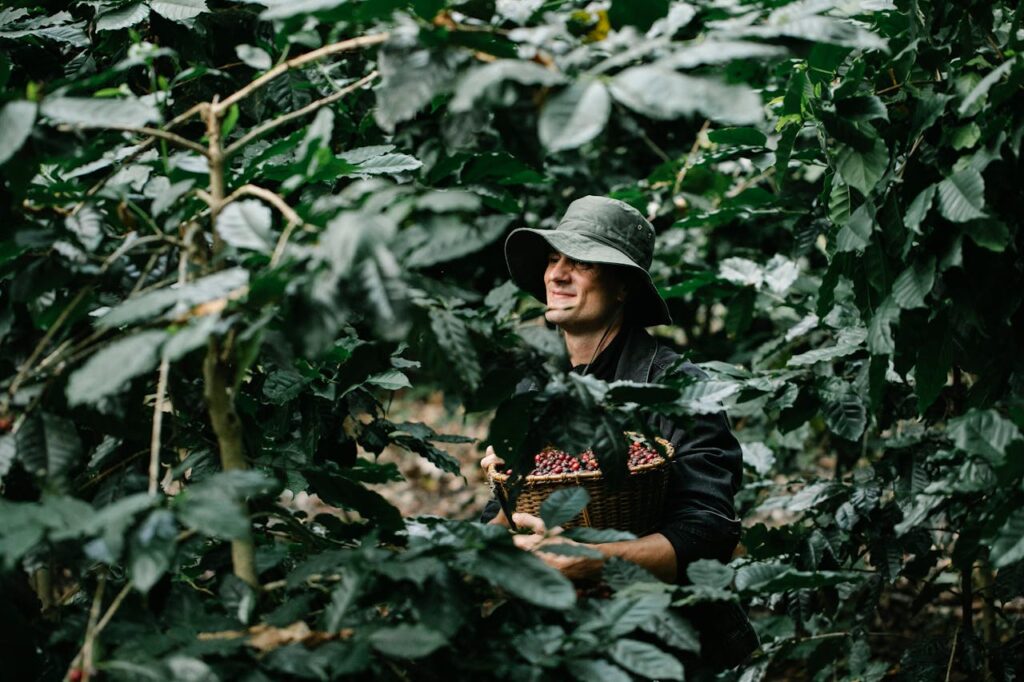
Picture a farmer handpicking only morning cherries from the north slope after a cool night. She tastes, notices the vibrant tartness, and processes this batch apart.
Meanwhile, her afternoon pick—slightly less tart—gets processed conventionally. With careful tracking, these micro-lots maintain their individuality, offering two different expressions from one plot.
Applying this discipline, micro-lot producers present buyers clear, flavor-centric narratives tied to exact harvest decisions. This transparency builds trust and anticipation at every level.
| Category | Bulk Lot | Kenyan Micro-Lot | What to Do Next |
|---|---|---|---|
| Batch Size | 20+ tons mixed | 200-1500 lbs/lot | Request smaller samples for evaluation |
| Flavor Profile | Generic, blended taste | Distinct notes (e.g., blackcurrant) | Use a flavor wheel in cupping |
| Selection Method | Mechanical/composite | Hand-selected by mature cherry | Ask for lot documentation |
| Traceability | Farm aggregation | Plot-specific, day-specific | Check farm map or producer profile |
| Market Position | Commodity/export blend | Premium specialty category | Seek direct trade opportunities |
Extracting Signature Blackcurrant: Step-by-Step Guide to Tasting
Identifying the signature blackcurrant note in kenyan micro lots requires a focused tasting setup, letting you contrast flavors and detect what sets these coffees apart from the first sip.
Set up side-by-side comparisons: sample the kenyan micro lot next to a standard batch roast, adjusting water temperature and grind size for consistency and clarity in flavor.
Fine-Tuning Your Palate
Begin with noiseless sips, noting aroma and first impressions. Don’t rush; swirl the coffee and observe if bright berry, cassis, or sweet-tart notes linger—these signal a true kenyan micro lot.
- Cleanse your palate with filtered water before tasting to isolate subtle blackcurrant tones; this discipline exposes fleeting notes missed after heavy or flavored foods.
- Use a white cupping spoon for tasting, swirling it over the surface to catch aromatic volatiles and enhance your sensory alignment with characteristic micro-lot complexity.
- Compare aromas with fresh blackcurrants if available—smell them side-by-side to train your nose, then check if the coffee’s fragrance evokes fresh berry or leafy undertones.
- Keep circle notes: write specific words (“blackcurrant juice,” “berries,” “tannic finish”) immediately after sipping; this cements your personal reference points for future micro-lot tastings.
- Repeat with different brew ratios, noting any changes in perceived fruitiness, acidity, or sweetness; more dilution may emphasize berry, while stronger brews might reveal jammy or dried notes.
Apply this approach to any specialty micro-lot—practice will increase your ability to pick out unique flavors, helping you build a richer vocabulary and appreciation.
Checklist: Ensuring Repeatable Results
- Pre-heat cups and spoons to maintain brew temperature, guaranteeing consistent extraction for both kenyan micro lots and other samples.
- Weigh beans to the gram and use the same grinder for each batch, preventing cross-contamination and flavor carryover in comparative tastings.
- Control for water source and TDS, as mineral content amplifies or masks fruit notes—use bottled or filtered water to isolate coffee profile.
- Standardize your tasting environment—limit distractions, avoid perfumes, and log notes in the same lighting and seating each session.
- Rotate tasters if possible, or revisit samples later in the day to check for palate fatigue. Freshness and objectivity help solidify flavor identification skills.
Mastering this checklist puts the spotlight on micro-lot character and helps demystify their reputation for fruit-forward clarity.
Tracing the Journey: From Farm Block to Roasting Lab
Following a kenyan micro lot’s journey illuminates why blackcurrant notes persist from farm harvests to final cup—each step shapes or preserves the flavor for specialty drinkers.
Start with the daily cherry selection: meticulous sorting on raised beds, shade-drying, and weather monitoring all contribute to sugar retention and acid complexity in this process.
The Wet Processing Rulebook
In Kenya, wet processing begins soon after picking; cherry skin removal, fermentation, and washing are carefully timed to control pectin breakdown and favor lively fruit aromas.
Constant tank monitoring (“Let’s check pH and mucilage texture every hour,” a miller might say) avoids over-fermentation, which can overpower berry notes into sharp acidity.
Clear communication between pickers and mill staff—visual signals and tallies per lot—ensures micro-lot segregation remains pure, reflecting the original harvest’s intent when sampled at export.
Roaster’s Playbook: Small Batch Approach
Upon arrival in the roastery, micro-lots receive extra care—small batch sample roasting, daily color tracking, and immediate cupping before releasing lots for public sale.
A roaster might say, “Aim for a 75 Agtron reading to lock in fruit aromatics.” They record changes with each test roast, fine-tuning airflow and drop time to highlight berry flavors.
Micro-lot inventories remain isolated; any off-batch gets removed before the main roast—this zero-tolerance policy ensures each bag delivered expresses the intent and distinctiveness of its origin.
Conclusion: Translating Micro-Lot Discovery Into Daily Experience
Exploring kenyan micro lots brings both flavor and understanding to your daily cup, illuminating the value of craftsmanship in each delicious complexity.
These coffees demonstrate how precise choices—from farm blocks to roasting—deliver sensory rewards far beyond commodity beans, enriching coffee habits and perspectives with every brew.
Keep seeking out new micro-lots, training your palate, and sharing experiences—each coffee reveals a story that deepens appreciation for specialty micro-lot diversity.
Frequently Asked Questions
What exactly are micro-lots in specialty coffee?
Micro-lots are coffee lots kept separate for their exceptional traits, such as intense flavor, unique origin, or innovative processing. These lots are processed and sold in small quantities, often less than a ton, reflecting careful selection and handling at the farm and mill.
Why do kenyan micro lots have pronounced blackcurrant flavors?
The blackcurrant note arises from specific coffee varietals, altitude, volcanic soil, and meticulous processing. Farmers and millers sort cherries by ripeness, preserve sugars, and prevent over-fermentation, all of which sharpen and highlight blackcurrant and berry flavors unique to this origin.
How should I brew these micro-lots to bring out blackcurrant notes?
Use filtered water and 94°C (201°F) temperature, medium grind size, and consistent pour-over or cupping techniques. Control variables like dose and extraction time, and compare with reference samples to notice the distinct blackcurrant character from kenyan micro lots.
Can micro-lot flavors vary from one year to the next?
Absolutely—climate, rainfall, farm practices, and mill techniques all influence the profile each harvest. By tasting different years or farm blocks, you can discover the range and depth of blackcurrant expression in kenyan micro lots.
What’s the best way to source micro-lots as a consumer?
Look for roasters who provide detailed origin, process, and tasting notes. Ask about farm traceability, cupping results, and lot sizes; direct-trade roasters commonly offer fresh arrivals and unique micro-lot selections each season for the adventurous taster.