Delving into the world of specialty coffee micro-lots can feel like unlocking a secret code. The phrase “costa rica honey coffee” pops up on labels and menus, promising something unique. If you’re eager to taste coffee that’s both innovative and tradition-rooted, you’re in the right place.
Specialty micro-lots have redefined how coffee drinkers experience flavor, with costa rica honey coffee standing as a stellar example. The honey process celebrates careful farming, milling, and drying techniques. As enthusiasts grow more adventurous, understanding these methods helps them savor every cup.
This article explores the honey processing methods behind these sought-after micro-lots, offering practical takeaways for home brewers, coffee buyers, and anyone curious about why costa rica honey coffee grabs attention worldwide. Let’s explore how these beans earn their reputation.
Spot Flavor Patterns by Examining the Honey Process in Detail
Accurately identifying flavor traits in costa rica honey coffee involves learning about the meticulous steps farmers take. By dissecting each stage, you’ll build a sharper palate for detecting taste differences.
Farmers, millers, and buyers use specific language to talk about yellow, red, and black honey processes. These terms signal not just color, but predictable shifts in body, aroma, and sweetness. Let’s clarify what each process involves and how it impacts the final taste.
Understanding Mucilage Levels and Their Role in Flavor
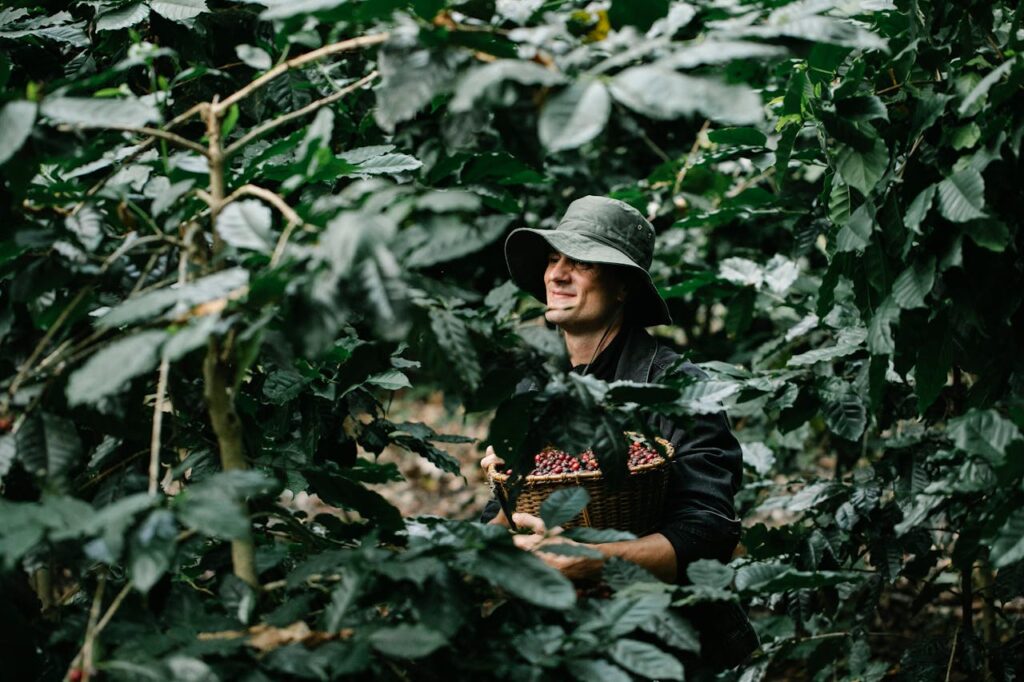
After harvesting, coffee cherries are pulped, leaving varying amounts of sticky fruit, known as mucilage, around each bean. In costa rica honey coffee, the remaining mucilage amount directly affects sweetness and mouthfeel.
The “yellow honey” style retains a thin layer of mucilage, creating a cleaner, brighter cup. Red and black honey processes allow more mucilage to dry with the bean, amplifying body and complexity. Drinkers may notice pronounced caramel and tropical fruit notes in black honey lots.
Because precise mucilage retention requires careful monitoring, these steps showcase the farmer’s skill. Next time you hear tasting notes like berry jam or brown sugar, consider how mucilage levels define those flavors in your costa rica honey coffee.
Fermentation’s Quiet Influence: Timing and Microbes
Fermentation isn’t front-and-center in honey processing, but it shapes every batch. Microbial activity—triggered by the mucilage—lasts from hours to days, giving costa rica honey coffee delicate sourness or deeper sweetness.
Producers use sensory cues to decide when to stop fermentation. Beans are washed free of excess sugars when taste and aroma align with their goals. This subtle timing impacts everything, from the acidity level to the finish on your palate.
Artisan growers talk about “catching the fruitiness just right.” This hands-on approach means batches vary each harvest, and exploring different micro-lots introduces you to the full range of what honey processing can produce.
| Honey Process Type | Mucilage Left | Flavor Profile | Best Brewing Method |
|---|---|---|---|
| Yellow Honey | Little | Bright, mild fruit, clean finish | Pour-over |
| Red Honey | Moderate | Balanced sweetness, rounded body | Drip machine |
| Black Honey | High | Intense sweetness, syrupy, berry-like | French press |
| White Honey | Minimal | Crisp acidity, floral aroma | Aeropress |
| Full Honey | Varied | Complex, layered, lingering finish | Espresso |
Identify Micro-Lot Success Factors Using Sensory Checklists
When choosing a costa rica honey coffee micro-lot, tasting notes can point you to exciting options. Start with a checklist of specific sensory features: sweetness, acidity, mouthfeel, and distinct aromatics set these coffees apart.
As soon as a roaster presents you with a micro-lot, jot down flavors you taste and compare them to profiles provided by producers. The more you calibrate your palate, the better you’ll recognize truly outstanding costa rica honey coffee.
Checklist for Evaluating Costa Rica Honey Coffee Sensory Traits
Use this checklist each time you sample a costa rica honey coffee micro-lot. It teaches you to pause, sip, and notice how flavors unfold in layers with every method.
- Note the initial aroma on grinding—find fruit, floral, or molasses notes for honey lots. Catching the scent early maps the upcoming flavor ride.
- Check for acidity—taste a citrus brightness in yellow honey, while red and black honey offer rounder, berry-like acidity for depth and richness.
- Gauge sweetness—honeys show natural sugars, resembling honey, caramel, or even jam; sweetness signals careful drying and clean mucilage.
- Assess body and mouthfeel—expect a creamy, syrupy weight for black honey, or lighter texture for yellow and white honey types.
- Observe aftertaste—trace how quickly or slowly flavors fade, noting complexity and lingering impressions that define micro-lot quality.
Sticking with these cues ensures you pick micro-lots with distinct, high-impact tastes every time you shop or brew costa rica honey coffee.
Red Flags That Signal Lower-Quality Honey Micro-Lots
Spotting off-flavors or mistreated beans sets successful buyers apart. Here are rules seasoned tasters use to avoid disappointment and wasted cups.
- Avoid sour, ashy, or moldy notes on first sniff—these may indicate fermentation gone wrong or poor drying conditions during processing.
- Steer clear of astringent or rough textures—unrefined, scratchy aftertastes suggest rushed mucilage removal, common in over-processed honey lots.
- Low sweetness or muted aroma—without a classic honeyed scent or taste, you’re likely sipping a blend lacking real honey process distinction.
- Extra-stale aftertaste—if the cup turns flat and empty before the last sip, freshness or proper storage might’ve been skipped at any stage.
- Consistent bitterness—while some bitterness is natural, excessive harsh notes betray unripe cherries or hasty drying, both harmful to micro-lot flavor.
Keen palates who rely on these warning signs consistently find the best costa rica honey coffee micro-lots and rarely end up with a poor purchase.
Connect Origin Practices to What’s in Your Cup
You’ll notice costa rica honey coffee micro-lots showcase unique terroir and farm-level practices. Every batch tells a story, from harvesting through drying. Let’s link what producers do with what you smell and taste at home.
Micro-lot farmers experiment with picking routines, humidity controls, and drying beds to fine-tune profiles. For home brewers, recognizing why coffee tastes juicy or floral means appreciating choices made months before your purchase.
Example: Producer Decisions Impacting Flavor Expression
A farmer might say, “We delayed picking by 24 hours for extra ripeness.” This simple shift results in deeper sweetness. You’ll notice the difference if the red honey coffee tastes like cooked berries instead of tart fruit.
Some producers shade-dry beans for an even fermentation, while others sun-dry for punchier brightness. Each scenario gives micro-lots a different mood. Drinkers benefit by tasting each method’s result side by side in a cupping.
Trying both yellow and black honey micro-lots from the same farm lets you “taste the timeline.” Savor crisp lemon notes in yellow honey and syrupy raisin sweetness in black honey, all from identical soil and climate.
Analogies: Comparing Processing Styles to Cooking Techniques
Think of the honey process like slow-roasting vegetables. Longer, lower drying builds complexity, just as roasting enhances flavors through patient heat, not just time. Each tweak impacts the “doneness” of flavor layers.
Similarly, managing the mucilage is like marinating meat—more time and contact mean more intense flavor. But go too long, and the outcome turns dull or muddy. That’s why skilled oversight is crucial in creating top costa rica honey coffee.
Brewers at home can borrow this logic. Adjust grind or water temperature when brewing different honey micro-lots, just like tweaking oven settings for various dishes. Small changes highlight a coffee’s unique characteristics.
Build Expertise and Enjoyment in Specialty Micro-Lots
Exploring costa rica honey coffee micro-lots means more than chasing unusual labels; it’s about savoring craftsmanship and understanding each cup’s journey. With knowledge of processing techniques, you become a more attentive, appreciative drinker.
Knowledge equips you to pick micro-lots with intention, using checklists, comparisons, and origin stories. Every cup brewed at home becomes a practical lesson in identifying flavors rooted in farm-level choices and careful honey processing.
As you refine your palate, you’ll notice the artistry in costa rica honey coffee. Bring friends or fellow enthusiasts into the experience—the more you share, the more diverse your coffee world becomes, one micro-lot at a time.
Frequently Asked Questions
What makes costa rica honey coffee different from washed or natural coffees?
Honey processing leaves some of the fruit’s mucilage on the bean. This creates a hybrid profile—cleaner than naturals but sweeter and heavier than washed coffees. Expect layered, honeyed sweetness and balanced acidity exclusive to these micro-lots.
How do I brew costa rica honey coffee for the best results?
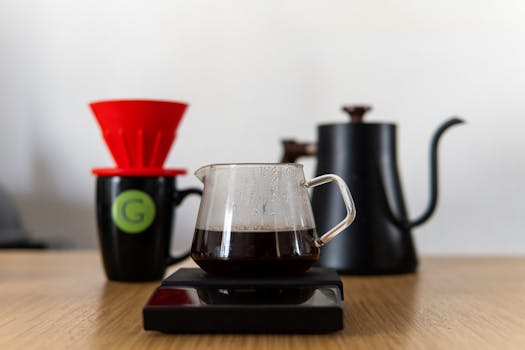
Use a pour-over or French press to highlight the nuanced sweetness and texture. Grind medium or slightly coarse. Adjust water temperature and brewing time to taste. Experiment with different methods across micro-lots for a full flavor range.
Why are costa rica honey coffee micro-lots more expensive?
Micro-lots require extra labor, selective harvesting, and manual processing. Attention to detail increases cost but also boosts quality, rarity, and traceability. Buyers get unique flavors and directly support sustainable, artisanal farming practices.
Does honey processing mean actual honey is used?
No, “honey” refers to the sticky mucilage left on the beans, not an added ingredient. The term comes from the sweet, honey-like notes created by this process. You’ll taste natural sugars, not any honey or bee product.
Can I taste major differences between yellow, red, and black honey coffees?
Absolutely. Yellow honey coffee is brighter and lighter. Red shows more sweetness and rounded body, while black honey lots offer bold, syrupy, fruit-intensive cups. Try side-by-side tastings for the clearest contrast in flavor and mouthfeel.