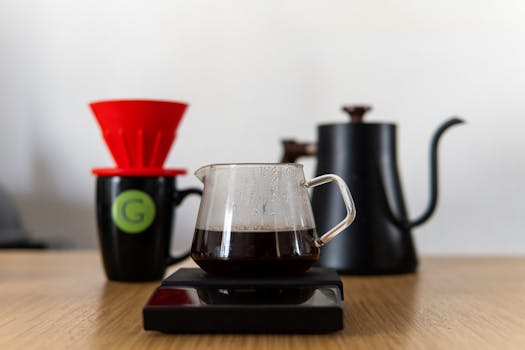
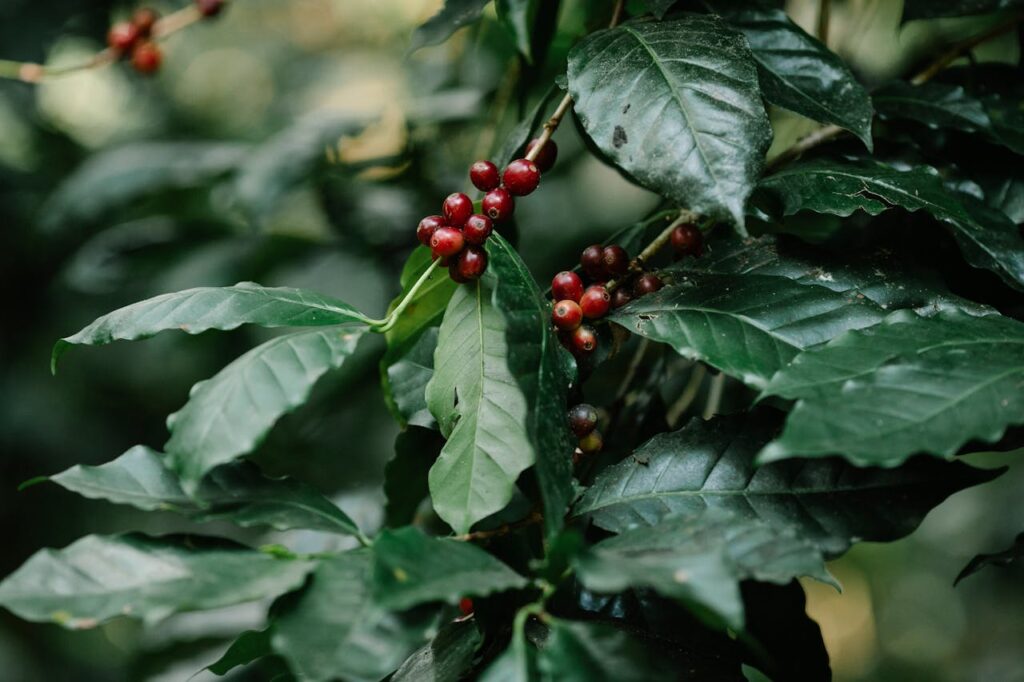
The allure of specialty coffee micro-lots starts with small, focused farms generating bold character and distinct taste. Many are turning their attention to rwanda coffee from the Lake Kivu region as these micro-lots stand out for consistent quality and layered flavors.
Countries recognized for producing rwanda coffee are influencing cafés, roasters, and drinkers across continents. This story matters because micro-lots deliver more than excellent taste—they also fuel sustainability and innovation, allowing growers to experiment in ways large producers can’t.
Dive in for a practical guide on Lake Kivu micro-lot sourcing, processing, and tasting. Discover actionable insights to recognize true micro-lot excellence and elevate your appreciation for rwanda coffee’s dynamic profile.
Sourcing Small: Building Your Rwanda Coffee Micro-Lot Toolkit
When you’re seeking micro-lot specialty coffee, deliberate sourcing ensures you select only the highest-performing lots. Set specific criteria: look for traceability, lot size, and freshness. Confidently detecting these signals starts your micro-lot journey right.
A buyer intent on sampling Lake Kivu micro-lots asks suppliers for picking dates, altitude data, and cupping scores, never settling for generic blends. Focused questions set clear expectations for rwanda coffee producers and help refine your own preferences.
Working Directly with Producers: Script for Early Dialogues
Micro-lot buyers build trust by sharing explicit, actionable feedback about last season’s shipment with farmers. “I noticed lively grapefruit notes shine on your washed Bourbon lot. Next cycle, I’d like a similar drying method—can we see full log sheets for those lots?”
A producer hearing concise requests reacts positively, adjusting harvest protocols and sample selection. Frequent, intentional communication results in stronger relationships and more reliable micro-lot deliveries. Buyers track outcomes and update requests every harvest season.
This approach trains both sides to value transparency, ensuring quality improvements compound annually. Replicate this stepwise, feedback-driven system—ask farmers to share their priorities, too, so your supply aligns with their developmental goals.
Checklist: Vetting Micro-Lot Authenticity
Use a consistent vetting checklist each time you consider a micro-lot: Confirm all lots are traceable to distinct producers, not regionally blended.
Verify that lot details include picking dates, varietal, and precise farm location. Demand cupping notes from multiple assessors, not just the exporter’s panel.
Ensure you receive green samples before finalizing orders—never skip this verification step. If a supplier dodges questions or documentation, reconsider the relationship. A written checklist enforces rigor with every order.
| Criteria | Lake Kivu Micro-Lot | Large Regional Lot | Takeaway Application |
|---|---|---|---|
| Traceability | Farm name, altitude, variety | Regional blend, less detail | Insist on farm-level info for quality assurance |
| Lot Size | Under 25 bags | 500+ bags | Small size signals genuine micro-lot status |
| Freshness | Harvest date within 6 months | May be up to 2 years old | Prefer recent harvests for peak flavor |
| Cupping Scores | 86+ from multiple panels | Less consistent or not listed | Request third-party cupping results for confidence |
| Processing Notes | Detailed, farm-specific | Generic | Unique process reports help forecast flavor |
Identifying Distinctive Taste: The Flavor Roadmap for Lake Kivu Micro-Lots
When you know what separates ordinary from remarkable, you can taste rwanda coffee with a sharper palate. Lake Kivu micro-lots regularly offer vibrant acidity, creamy body, and pronounced fruit notes.
You practice by comparing multiple cups side by side, identifying what makes a Lake Kivu Bourbon stand out from neighboring regions’ classic rwanda coffee flavors. This habit, pursued methodically, trains you to spot the real gems each season.
Comparing Processing Methods in Micro-Lots
Look for washed, honey, or natural options from the same producer for a direct contrast. Tasting these side-by-side reveals how drying and fermentation techniques shape rwanda coffee’s flavor complexity, clarity, and sweetness.
- Lay out cups in a clear line from washed to natural.
- Note body, acidity, and lingering flavor differences.
- Ask growers how processing changed this season and note specifics.
- Write one strength and one weakness for each cup—feedback drives future improvement.
- Save notes each harvest to compare year-on-year changes accurately.
With this repeatable process, you extract deeper value from every cupping session and build a long-term sensory memory.
Chasing Varietal Diversity: A Roadmap
Expand your understanding by seeking out lesser-known Lake Kivu micro-lots, including Red Bourbon, Jackson, and even experimental hybrids. Each presents tongue-specific flavors—a Red Bourbon delivers currant and floral while a Jackson bursts with citrus and cocoa.
- Request sample kits highlighting varietals you haven’t tasted before and rotate sample types over time.
- Note which varieties linger longer on the palate—send those notes back to suppliers.
- Create comparative tables to visualize taste differences for your training records.
- Train your team on varietal-specific descriptors to raise everyone’s sensory baseline.
- After six months, retaste standouts blind to validate your initial impressions hold up.
Working like this, you build a catalog of real flavor profiles, not just hearsay or marketing blurbs.
Processing in Action: Farm-Level Steps that Shape Rwanda Coffee Quality
A farm worker on Lake Kivu’s shore delivers cherries early in the morning, ensuring optimal ripeness and temperature. Every step—sorting, pulping, fermenting—directly impacts the final micro-lot’s taste profile.
Selective Picking: Why Timing Matters
Pickers receive detailed guidance: harvest only perfectly ripe red cherries, each pass through a row leaving green ones for the next day. Supervisors check baskets repeatedly, correcting under- or overripe selections on the spot.
This deliberate picking protocol minimizes overripe flavors and maximizes sweetness and acidity in rwanda coffee micro-lots. Consistency on picking lines builds batch-to-batch quality and repeatable cup profiles over many seasons.
During sorting, pickers physically remove any underripe or insect-damaged cherries before delivery to the washing station—no batch is rushed forward until quality is confirmed at each checkpoint.
Washing and Drying: Micro-Lot Scale Creates Precision
Lake Kivu micro-lots usually use eco-pulpers that require careful calibration per load. Operators tweak flow rates to prevent over-pulping and gentle agitation avoids bean breakage, preserving optimal quality for drying.
After washing, beans enter raised beds, spaced evenly for airflow. Workers rake and turn the lot up to six times daily, monitoring moisture closely until targets are reached. This constant surveillance produces even moisture content critical for shelf stability in rwanda coffee lots.
Staff taste-dry test samples regularly, reporting notes and correcting approaches for the next day’s batch if needed. This adaptability allows for rapid learning and continuous improvement.
Delivering Impact Beyond the Cup: Social, Economic, and Environmental Results
Focusing on micro-lot sourcing enables economic uplift for families around Lake Kivu. A buyer’s commitment to paying premiums for rwanda coffee incentivizes farm reinvestment and local stewardship.
Workers share that higher per-pound prices mean stable school fees and emergency funds. Producers can experiment with organic fertilizer inputs, cover crops, or native shade trees, knowing buyers want to support measurable sustainability efforts.
Investing in Local Communities with Micro-Lot Contracts
Some cooperatives provide written micro-lot contracts to farmers, promising set pricing and capital for harvest preparation. This encourages growers to take short-term risks to pursue long-term gains like new processing equipment.
When buyers visit during harvest, they often share practical renewal terms in person—”We’ll commit to your Bourbon micro-lots for another year if the drying times stay under ten days.” These scenario-based contracts stabilize farm cash flow.
Every clear, prompt payment teaches families to budget for the off-season, reinforcing micro-lot sustainability at the household level—from education to nutrition and investment in coffee quality improvement.
Pursuing Eco-Friendly Practices Without Sacrificing Quality
Careful water management and composted coffee pulp mitigate waste impact at washing stations. Facilities employ contour planting to prevent runoff, showing how rwanda coffee micro-lot farming benefits both land and lake.
Over five seasons, growers using cover crops and shade report higher cherry yields plus improved wildlife sightings near farms. Eco-focused protocols now form a core checklist when evaluating new micro-lot partnerships from the region.
Micro-lot buyers insist on farm-specific audits for eco-protocols—verifiable sustainability data influences future contract volume and renewal for every stakeholder.
Future-Proofing Specialty Coffee: Adapting Micro-Lot Practices Year by Year
To sustain micro-lot vibrancy, stakeholders regularly update picking, processing, and shipping protocols to respond to shifting climate patterns. For example, an earlier rainy season in Lake Kivu prompts staggered drying or new protective covers for raised beds.
Longer feedback loops—combining notes from buyers, cuppers, and field managers—enable micro-lot strategy to evolve naturally. This adaptability keeps rwanda coffee relevant and prized even as weather unpredictability rises.
Scenario: Responding to a Wet Harvest
Producers track rainfall daily. If unexpected showers threaten drying beds, staff install tarps and rotate lots twice as frequently, using moisture meters at each interval.
A wet harvest cycle highlights the agility required to preserve micro-lot quality. Staff keep meticulous drying logs and share photos with remote buyers, building mutual confidence in shipment timing and flavor outcome.
Instructions developed from each rainy season shape next year’s protocols, improving speed and accuracy in threat response across the micro-lot sector.
Checklist: Adapting on the Fly
When staff see shifting weather or pests, leaders quickly revise workday plans: adjust picking hours, add screen layers for drying, or introduce field inspections after storms.
Daily check-ins ensure changes are understood—a manager leads short morning briefings to reinforce new protocols, preventing lost labor or compromised batches.
Record these micro-adaptations in a seasonal logbook. At year’s end, share the tactics that increased cup score or lowered loss. Copy useful innovations into next season’s baseline practices.
Bringing Lake Kivu Micro-Lots into Your Own Coffee Routine
Building a home coffee bar around authentic rwanda coffee micro-lots creates a fresh, custom brewing adventure for any enthusiast. Buy small quantities and change your brewing variables every week to optimize flavors and aromas.
To accentuate fruit notes in Lake Kivu Bourbon lots, try a lower brewing temperature or finer grind. For creamy body, explore French press or immersion-style brews. Use taste journals to log strengths and compare lots batch by batch.
Training Your Palate at Home: Mini-Cupping Example
Gather two Lake Kivu micro-lot samples—washed and honey process works best. Brew both via pour-over and taste side by side, recording notes on flavor clarity, fruit, body, and finish.
Ask, “Which cup lingers longer after each sip?” and “Can you pick out berry or citrus?” Review your notes after a second session to see if impressions remain stable over time.
This experiment deepens your sensory memory and builds appreciation for small-batch rwanda coffee characteristics.
Hosting a Micro-Lot Tasting Party: Sample Blueprint
Invite friends to sample three Lake Kivu micro-lots with distinct varieties and processes. Briefly explain key differences and guide your group’s attention to specific flavors (currant, hibiscus, milk chocolate) as you pour.
Keep pour sizes small and encourage each guest to share one stand-out experience per coffee. Write everyone’s favorite on a whiteboard and compare group results. This routine cultivates shared knowledge and sparks discussion.
Rotate micro-lots seasonally for recurring events that track quality over time—a fun way to build a community around specialty rwanda coffee brews.
Conclusion: Owning Your Micro-Lot Journey with Rwanda Coffee
Micro-lot practices from Lake Kivu offer an accessible entry point into specialty rwanda coffee, where farm-level precision meets bold, distinctive flavors in every cup. Consistency, traceability, and direct feedback cycles drive ongoing improvement and enjoyment.
For buyers and drinkers alike, investing in these micro-lots supports economic and environmental best practices at origin, giving meaning to every sip. Each detail, from picking to cupping, matters—for sustainability and for exceptional flavor impact.
Exploring rwanda coffee micro-lots refines both palates and supply relationships. Apply these hands-on approaches, keep good records, and savor real improvement—one harvest, one cup at a time.
Frequently Asked Questions
- What sets Lake Kivu micro-lots apart from other rwanda coffee?
- Lake Kivu micro-lots provide a higher degree of traceability, smaller lot sizes, and increased flavor clarity thanks to careful selective picking. These attributes translate to fruitier, cleaner, and more complex cups than standard regional blends, offering unique sensory experiences.
- How do I find authentic Lake Kivu micro-lots?
- Look for sellers who provide precise farm, altitude, and process data. Ask for independent cupping scores and green samples. Genuine lots come with extensive documentation and exclusive information, ensuring that you’re getting quality and not a blended or misrepresented lot.
- Which processing method is most common in Lake Kivu micro-lots?
- Washed processing is popular, but honey and natural methods are gaining ground. Comparing these methods within the same micro-lot is a practical way to learn how fermentation and drying impact specific flavor notes and cup clarity in your brews.
- Can buying micro-lots support sustainability?
- Absolutely. Direct micro-lot purchases increase farm-level earnings, funding environmental improvements like organic fertilizers and cover crops. This ensures both quality increases and environmental protection, creating win-win situations across the supply chain and supporting broader development goals.
- What’s the best brewing method for appreciating Lake Kivu micro-lots?
- Start with pour-over or cupping to highlight delicate acidity and fruit. Immersion methods like French press bring out creamy body. Experiment with grind size and temperature for each micro-lot; record your notes to refine your personal brewing protocols over time.