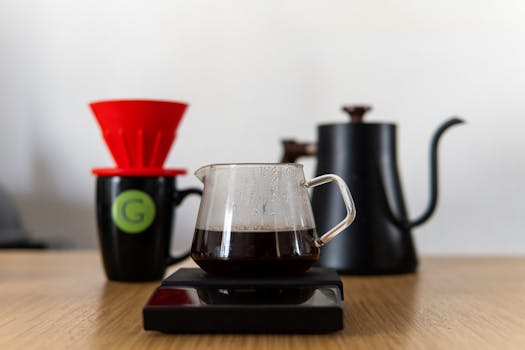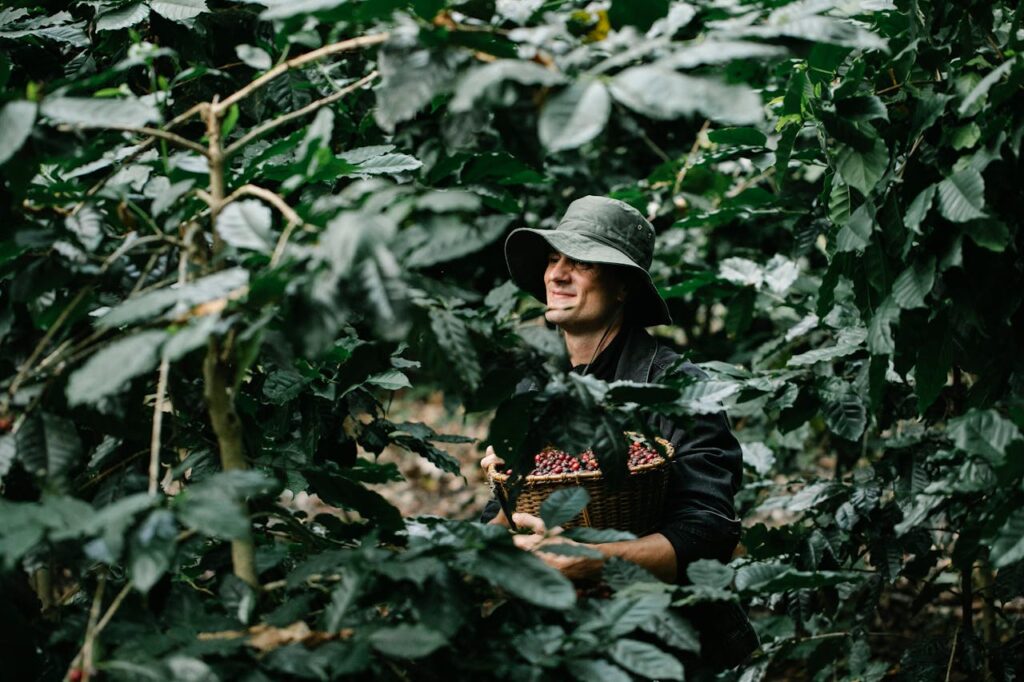
Walk into a café and ask a barista, “What’s special about this cup?” They might say, mid-sentence, that andes micro lots yielded the beans—grown in tiny, painstaking plots clinging to mountain slopes. This specialty coffee grabs attention for good reason.
Micro-lot coffee’s story is as much about people as it is about place. Each batch reflects the careful choices, labor, and risks producers take to deliver distinctive flavors with every harvest.
If you’re curious about what makes andes micro lots stand out—or what hurdles producers clear just to get these beans to market—read on. You’ll learn their secrets, methods, and practical takeaways worth savoring.
Pinpointing Unique Landmarks: The Step-by-Step Process for Micro-Lot Definition
Anyone aiming to work with andes micro lots first needs to map out precise plot boundaries. This isn’t guesswork—farmers walk their land, plot by plot, noting which patches best express unique soils and microclimates.
With the need for accuracy, harvest teams often track each coffee tree, row, and hilltop. When a patch reveals standout sweetness or acidity, it earns micro-lot status—leading to extra attention through the harvest season.
Identifying Soil and Slope Traits
Producers studying andes micro lots rely on nature’s variations. Some slopes catch more sun, others drain rainwater quickly. By comparing beans from multiple patches, farmers learn the best places for nuanced flavor.
“Here, the soil is sandy, but just over there, it’s volcanic and black,” a grower might note. He’ll record which zone ripens early and which keeps beans sweet. Then, he maps each section individually.
After harvest, when each tiny lot is cupped, distinct differences emerge—citrus notes in one pile, dark chocolate in the next, all from farms just meters apart.
Establishing Lot Boundaries
Defining the edges of an andes micro lot isn’t a matter of fencing—farmers watch changes in leaf color, tree vigor, or subtle climate shifts as guides. If rows near a stream produce different cherries, that area forms its own micro-lot.
To document this, many use GPS or even colored flags, labeling trees by lot for fast reference. During harvest, pickers sort beans with extra care, separating by batch as they go along the hill.
This precise recordkeeping lets a single farm offer several distinct micro-lots each year, each tracked from seedling to drying rack by location and character.
| Lot Feature | Visual Sign | Flavor Outcome | Actionable Next Step |
|---|---|---|---|
| Soil Type | Dark brown, sandy, or rocky patches | Chocolate, citrus, or floral | Chart locations; taste-test separately |
| Slope Aspect | Morning vs. afternoon sun | Brighter or deeper acidity | Record exposure; segregate beans |
| Elevation | Altitude markers | Light body, vibrant acidity | Harvest higher plots in sequence |
| Irrigation Access | Proximity to streams | Juicier or cleaner finish | Flag for separate processing |
| Tree Health | Lush vs. sparse foliage | Sweeter, complex cup | Mark for continued observation |
Managing Hand-Picking and Timing for Peak Quality in Andes Micro Lots
Farmers and teams aiming for the best andes micro lots practice exact timing; each cherry must be at its ripest to earn that micro-lot stamp. No shortcut exists.
Picking crews check ripeness in the early morning, returning over several days. Carefully coordinated, this ensures every cherry meets the flavor standard required at international auctions or specialty cafés.
Daily Harvest Rhythm
Pickers begin at sunup, inspecting the slope row by row. Skip a tree, and you risk losing nuanced sugars unique to andes micro lots. Tight schedules matter every harvest day.
- Start with rows seeing the earliest sun, as cherries here ripen first—capture peak sugars by visiting just as dew dries so skins stay intact.
- Move to shadier patches mid-morning, where temperatures climb slowly. Here, even under leaf cover, pickers use quick finger checks to ensure only perfectly red cherries drop into baskets.
- Return to sun-exposed knolls in the afternoon only if needed. Revisit is reserved for monitoring, since gentle fruit won’t withstand repeated handling.
- End the day transporting beans in single-layer trays, preventing bruising and blending between batches.
- Flag skipped trees for next-day returns—never combine half-ripe lots with finished ones, as buyers reject mixed quality outright.
Every step above lets producers keep andes micro lots truly distinct, guaranteeing roasters can trace flavors to exact picking windows and locations.
Sorting and Separating on the Fly
Just-picked cherries go through a quick visual grading immediately, field-side. Workers parse out underripe or damaged fruit, tossing them far from the best crates. Micro-lot buyers want visual consistency first.
- Sort cherries in batches, not piles, so defects don’t spread; assign someone to check each crate by color consistency and aroma.
- Keep similar-aged cherries together and move them to shaded stations before processing. Direct sun or waiting too long dulls flavors and risks fermentation.
- Use washed hands and light containers—bruised cherries alter floral notes prized in andes micro lots, so the mantra is “handle with intention, not in haste.”
- Send only prime batches for micro-lot treatment, and label all others as generic bulk harvest. Small distinctions here add up to dramatic differences later.
- Final step: log each day’s pickings with notes, so the next week’s sorting improves on lessons learned today.
This disciplined approach wins loyalty from specialty importers who count on the traceable quality of andes micro lots harvested with precision at every turn.
Pulping and Drying: Balancing Science and Intuition in Small-Batch Processing
Ensuring a batch of andes micro lots retains its potential comes down to meticulous pulping and drying routines. Even a few minutes of carelessness could blur the lines between vibrant and muted flavor.
After picking, micro-lot beans are pulped in small, regularly sanitized machines. This reduces contamination, keeping fermentations crisp and uniform throughout the batch.
Controlling Fermentation Windows
Monitoring fermentation isn’t guesswork for producers managing specialty andes micro lots. They check tanks every hour, feeling texture changes and smelling for the telltale shift from grassy to fragrant—an early sign sugars are transforming.
One producer describes tapping a spoon on the edge of a tank, listening for echo depth. If the pitch drops, moisture’s building, meaning action is needed—either to stir or to drain.
Finish too soon and beans taste underdeveloped. Wait too long, and wild notes overpower the cup. Precision in fermentation delivers standout clarity sought by micro-lot buyers.
Small-Scale Drying: Sun vs. Mechanical Approaches
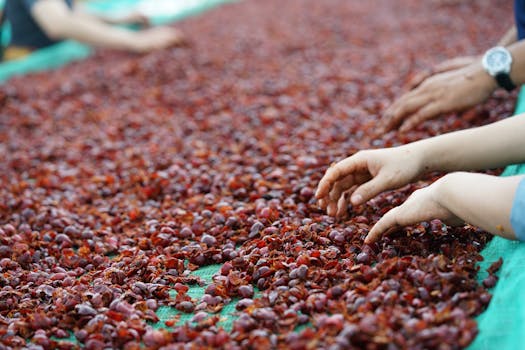
Sun-drying is common in andes micro lots, with farmers laying beans an inch thick on patios or mesh beds. Sunlight must be gentle—shade cloths provide protection when mid-afternoon rays turn harsh.
One farmer shows a visitor how to move beans every twenty minutes, hands swishing through the lot to keep air circulating and prevent hot spots. “Hear this? They’re starting to click, not thud,” she points out—an audible cue that drying has finished for the day.
During storms, quick-response teams shift beans to mechanical dryers. The rhythm is deliberate, aiming to mimic sun heat, not overwhelm. Both methods are tracked daily to guarantee batch integrity.
Matching Micro-Lot Profiles to Marketplace Demand
Traders and importers in search of the next hit coffee request detailed traceability for all andes micro lots. Each micro-lot is cataloged for altitude, soil, and farmer notes—details buyers relay directly to their customers.
Producers adjust techniques year to year to fit shifting preferences, sometimes trialing new varieties dubbed “nano-lots” for even more exclusivity. When buyers ask for specific tasting notes, farmers review harvest processes for that batch.
Showcasing Lot Distinctions at Auction
At specialty coffee auctions, producers present andes micro lots in cupping rounds. Judges study traceability logs, then taste for matching flavors described on the entry form. Judges seek proof of careful lot separation in final cup profiles.
“Show me where your chocolate and citrus lots come from,” one judge might say, checking logbooks and batch ID tags against flavor experience. Provenance and taste must align for top scores.
Winning auctions means sharing maps and picking records—farmers who excel at this see immediate price boosts, paving the way for future experimentation on their micro-lots.
Meeting Traceability Expectations From Roasters
Roaster partners often call for updates throughout each crop cycle, asking questions like: “Did you adjust fermentation this year? Any new shade-grown sections in your andes micro lots?” Open communication builds trust throughout the supply chain.
Packed with batch data, each micro-lot leaves the farm tagged with QR codes or physical ledgers so roasters can trace a bean “from soil to cup.” This step cements long-term buying arrangements with specialty roasters seeking dependable quality.
For producers, detailed records do more than win sales—they help hone techniques and respond swiftly to changing market tastes in specialty coffee each season.
Troubleshooting Setbacks and Weather Risks in the Andes Micro-Lot Harvest
Unpredictable weather challenges andes micro lots every season. Sudden downpours or unusually cool nights can halt picking and force changes in drying protocols on just an hour’s notice.
Quick troubleshooting is key; farmers make real-time choices to keep beans safe—whether moving harvest under cover or pressing pause on picking when storms roll in unexpectedly from the hills.
Adaptation Scripts for Handling Rain
When dark clouds gather, workers pack up beans and stretch tarps over drying beds. “Let’s cover Section B and bring everything inside,” a team leader signals. Fast movement saves days of labor from slipping away.
Tools like moisture meters come out to check beans, dialing in drying times after rain. This constant adjustment is necessary for specialty andes micro lots since excess moisture dulls acidity prized by buyers.
Farmers keep backup processing slots open at nearby mills for emergencies, ensuring no day’s pickings go to waste—one lot down, but the next may be ready tomorrow.
Planning for Cold Snaps
Cold nights threaten ripening cycles, sometimes slowing cherry development. In these cases, producers set daily briefs: “Hold back on steep plots—let’s focus on lower, warmer patches.”
They inspect crops closely every morning, tracking subtle changes in color. If cherries stop progressing, they pivot—deploying more pickers to spots that are just right, quickly moving micro-lots through their critical harvest windows.
This flexibility preserves cup profile consistency—buyers know what to expect from each micro-lot, regardless of weather curveballs thrown at harvest.
Celebrating Distinct Flavors: What Sets Andes Micro Lots Apart in the Cup
Sipping a finished cup, people recognize that andes micro lots tell a flavorful story. Each sip connects their senses to the precise patch of mountain where beans were picked by hand only days or weeks before.
Andes micro lots can reveal layers—from floral top notes to velvety chocolate or ripe stone fruit—all the result of careful boundary-setting, daily selection, and meticulous post-harvest routines.
Constructing a “Flavor Map” for Micro-Lots
Roasters prepare tasting maps, drawing links between elevations, soil type, and cup results. The map isn’t just for show; buyers use it to guide future sourcing—for example, “Give me next year’s micro-lot from the south-facing bluff.”
Brewers track which batches resonate most in their shops, noting customer feedback and integrating it with the farm’s records to inform the next season’s selections.
Every discussion circles back to andes micro lots—each cup reinforces unique origins, encouraging feedback between barista, roaster, and grower.
Long-Term Partnerships Built on Micro-Lot Excellence
Once a café finds the ideal andes micro lot, strong relationships develop. Roasters sign agreements for entire lot buys or return annually for specific micro-climates producing show-stopper flavors.
Feedback—both praise and requests for tweaks—travels smoothly down the supply chain, with producers eager to adjust picking dates or drying method to secure that next returning customer.
This loyalty loop improves quality with every cycle, as everyone in the chain invests in consistently exceeding expectations with each micro-lot crop.
Refining Your Micro-Lot Sourcing Practice: A Mini Checklist
If you want to work with andes micro lots or improve your selection process, stick to a set of concrete actions. These steps help buyers, roasters, and even home brewers find the highest-caliber micro-lots year after year.
- Audit farm records: Request maps, picking logs, and batch notes before sampling—solid documentation signals attention at every step of micro-lot production.
- Visit harvest in person: Taste cherries straight from the branch and compare to final beans; you’ll spot what makes each andes micro lot unique from the source.
- Demand batch separation: Ask producers to explain their sorting methods and show proof of daily separation—mixing scraps in ruins traceability and cup clarity.
- Test for consistency: Order sample roasts from multiple harvest days or locations within a farm; consistent excellence means stronger micro-lot credibility.
- Prioritize open communication: Work with farmers or exporters who update you on weather, crop shifts, and post-harvest changes, ensuring trust and adaptability in every order.
Following this checklist sharpens anyone’s palate and builds relationships that yield better andes micro lots every season—each cup down to the last pour.
Frequently Asked Questions
- What exactly are andes micro lots?
Andes micro lots are small, precisely managed plots on a coffee farm, each separated by unique soil, elevation, or climate traits, then harvested and processed individually to emphasize distinctive flavors. They offer exceptional traceability and distinct cup profiles. - How can buyers ensure micro-lot quality?
Request documentation of plot boundaries, picking records, and post-harvest treatment. Ask for sample roasts and taste-test multiple days’ batches to confirm consistency across each andes micro lot harvest. - Do andes micro lots command higher prices?
Yes, micro lots generally sell at a premium due to traceable quality, labor intensity, and unique flavors. Top lots compete at auction and secure buyers in specialty coffee markets, rewarding producers who handle every step meticulously. - How does weather impact micro-lot success?
Weather can accelerate or slow cherry ripening, influence drying, and introduce risks. Successful farmers adapt in real time—diverting labor, covering beans, or switching lot focus as conditions change, protecting the distinctive taste of andes micro lots. - Why do roasters and cafes value micro lots?
Roasters and cafes seek out andes micro lots for their unique, unblended profiles and backstory. These coffees highlight a specific patch’s personality—giving shops new narratives to share with customers and driving long-term loyalty among fans of specialty coffee.