
A micro-lot can change your morning routine forever. Maybe you’ve tried sumatra coffee before, but never tasted it from a stellar specialty micro-lot—vivid, multi-layered, and deeply aromatic, the kind you remember weeks after the last cup is gone.
Specialty micro-lots highlight the distinctiveness that single origins can offer. Each cup of sumatra coffee from these select batches packs nuanced flavors, shaped by careful hands and distinct highland conditions, delivering far more than commodity beans ever could.
In this deep dive, you’ll discover concrete ways micro-lots transform the sumatra coffee experience, insight into farming and sourcing, and techniques for appreciating every aspect of these prized beans. Let’s start with the factors shaping these highland gems.
Sampling Distinct Micro-Lots: Recognize Why Small Batches Matter
Recognizing what sets micro-lots apart starts with knowing exactly how they differ from regular lots. These rare batches deliver complexity in flavor and traceability you just can’t find in commodity-grade coffee, even within the sumatra coffee landscape.
The reason: each micro-lot is tracked from a single farm or field segment. This hyper-local origin lets roasters pinpoint aroma changes and flavor bursts, to craft an exact profile batch after batch.
Tracking Origin: The Science Behind Micro-Lot Traceability
When farmers record every detail from plant varietal to plot location, exporters can identify which field produced remarkable qualities in a sumatra coffee micro-lot. Transparency links every cup to its origin.
This accountability also ensures buyers get exactly what they’re promised. When someone selects a micro-lot, they see the farm name, altitude, processing type, and taste descriptors right on the bag.
If a roaster said, “Give me the plot that gave us ripe guava last May,” they’d get a specific micro-lot—not just a regional blend dumped together. That’s a level of detail mass-market shipments lack.
Why Small Batch Processing Elevates Every Bean
Micro-lot processing means a single batch from picking to drying. Workers can monitor ripeness and catch defects more easily, boosting quality. Try the analogy of hand-crafting a loaf of bread versus mixing giant vats—each batch gets focused attention.
Smaller batch sizes also make experimenting with new techniques easier. For example, a farmer might try a washed process on one lot while naturally drying another, learning quickly which best expresses local sumatra coffee flavors without risking the whole harvest.
This control means when the cup is brewed, you get clarity and consistency in aroma and taste—signature notes of earth, citrus, or cocoa shine with each new pour.
| Factor | Micro-Lots | Mass Coffee | What To Do Next |
|---|---|---|---|
| Batch Size | Very Small (1–50 bags) | Large (Hundreds) | Request detailed lot info before buying |
| Traceability | Farm-to-cup transparency | Merged regional origin | Look for named farm or GPS on label |
| Taste Clarity | High | Mixed, muddled | Brew slowly to notice subtle notes |
| Price | Premium | Standard | Know the value of micro-lot investment |
| Consistency | Specific unique flavors | Broad, less defined | Buy from trusted roasters repeatedly |
Refining Your Palate: Explore the Layers in Highland Micro-Lots
Tasting a highland micro-lot takes attention and a willingness to slow down and notice each flavor shift. It’s different than sipping standard sumatra coffee because every step lets you recognize sharp contrasts and rare clarity.
Start with the aroma, which can hint at rainforest soil or tropical fruit, depending on how the micro-lot was handled. Swirl the cup to release layers that change as the brew cools.
Build a Tasting Routine for Micro-Lot Clarity
Use a notebook and write down descriptors like “rich cinnamon” or “sweet tamarind.” Coffee instructors sometimes say, “Describe it like you would a new city—note every highlight, however small.”
- Always smell the dry grounds before brewing: it reveals the first aromatic clues of a sumatra micro-lot.
- Take small sips and slurp to spray aroma across your palate: this exposes the layering of acidity and body.
- Pause between sips so subtle flavors can emerge as the brew cools: notes may shift from herbal to spicy or reveal more sweetness.
- Mentally compare to your last sumatra coffee micro-lot: did you notice earthier tones this time, or more vibrant acidity?
- Record the aftertaste—does it linger smoothly or does it change with each swallow? That’s the mark of a nuanced lot.
By committing to a rhythm, you’ll improve not only your appreciation but also your memory for describing sumatra coffee.
Refine With Food Pairings and Brewing Tests
Pair a sumatra coffee micro-lot with fresh citrus slices or mild cheese. Notice how the sweet and tart elements either amplify or tone down the coffee’s spicy and chocolatey notes.
- Test Aeropress brewing for brighter acidity in a micro-lot: use a fine grind and two-minute steep for clear fruit notes.
- Make a side-by-side French press with a coarser grind: compare how body and finish shift in the same sumatra coffee lot.
- Use filtered water to bring out clarity while limiting harsh minerals: this puts the micro-lot’s best flavors center stage.
- Try multiple pour-over methods: a flat-bottom brewer yields milder sweetness, while conical brings more vibrant spice to the cup.
- Pair with nuts or chocolate for a fun home tasting: ask friends to write down first impressions and compare against the micro-lot notes.
Each approach teaches you more about your own preferences and what makes a highland micro-lot sing in the cup. There’s no perfect answer, just discovery.
The Impact of Elevation and Soil Choice on Bean Character
Elevation shapes every cup’s acidity, density, and vibrancy. Highland-grown sumatra coffee micro-lots develop slowly, accumulating sugar and layered fruitiness that give each lot trademark punch and clarity.
Soil content matters just as much. Volcanic soils grant mineral depth—a hidden source of those wild, resinous flavors in specialty micro-lots.
Altitude’s Role in Defining Flavor Nuance
Producers plant specific varietals at certain elevations for a reason. A Bourbon at 1,600 meters displays deeper berry notes, while the same plant lower down yields broader, heavier profiles.
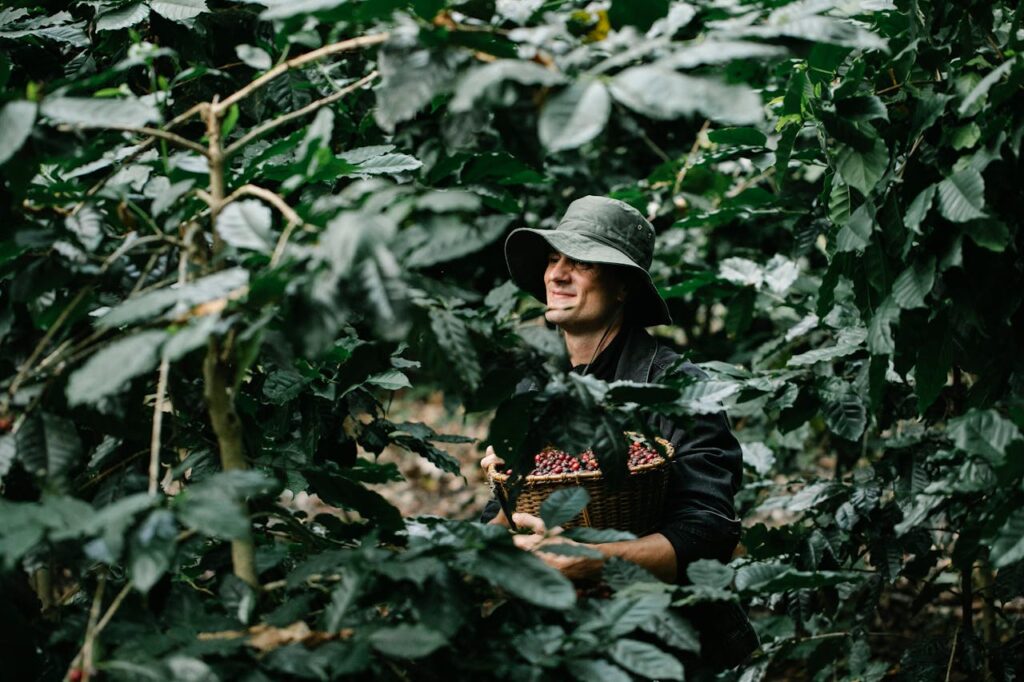
Walk a highland farm at dawn—cool mist hugs the leaves, slowing cherry ripening. That extra time cooks in extra sweetness, which means when you brew the micro-lot, it’s layered, never flat.
If a farmer explains, “This plot faces northeast, so our cherries ripen one week slower and taste like apricot,” that piece of context explains why a micro-lot delivers singular focus in taste.
Examining Volcanic Soil Effects Step-by-Step
Dig down an inch, and you’ll see dark, loose earth packed with organic material. This lets roots draw steady minerals—magnesium, iron, and calcium—all showing up in sumatra coffee’s deep, unfiltered character.
Farmers like to rotate cover crops such as legumes, boosting soil nitrogen and keeping vines healthy. You end up tasting brighter citrus or jammy fig depending on soil tweaks season by season.
“If the sumatra coffee’s body reminds me of syrup, I know that plot had richer clay content last year,” a seasoned taster might say. Keeping track means even small soil changes are recorded and refined with each micro-lot harvest.
Conclusion: Emerging Possibilities in Every Micro-Lot Cup
Each micro-lot of sumatra coffee offers an opportunity to discover new layers of flavor unmatched by commodity blends. The highland environment provides precision, and farmer expertise is evident in every cup’s aroma and aftertaste.
Knowing these specifics supports your journey as a more attentive and appreciative sumatra coffee enthusiast. Each batch goes deeper than just “strong bold coffee”—it’s a call to observe, taste, and record what stands out to you personally.
Carry these insights into your daily routine. Select and savor micro-lot coffees with curiosity and care, and pass on your discoveries to friends and fellow coffee drinkers who appreciate a great cup with a story.
Frequently Asked Questions
What is a coffee micro-lot?
A micro-lot is a very small, traceable batch of coffee—usually from a single plot or farm—selected for its unique qualities, like flavor and processing.
How is sumatra coffee from micro-lots different from regular lots?
Micro-lot sumatra coffee offers greater transparency, allowing consumers to learn exactly where it was grown and what makes each cup distinct—often showing richer flavors and cleaner finishes.
What’s the best brewing method for these micro-lots?
Pourover or Aeropress methods tend to highlight the nuanced acidity and layered notes in micro-lot sumatra coffee. Experiment with grind size and water temperature for best results.
Are micro-lots always more expensive?
Yes, but this premium reflects higher quality, limited volume, and focused labor. Enthusiasts value that clear traceability and distinct flavor over commodity blends.
Where can I find reliable micro-lot sumatra coffee?
Look for specialty coffee roasters that share farmer names, plot info, and detailed tasting notes. Always check for harvest dates and processing details for guaranteed freshness.