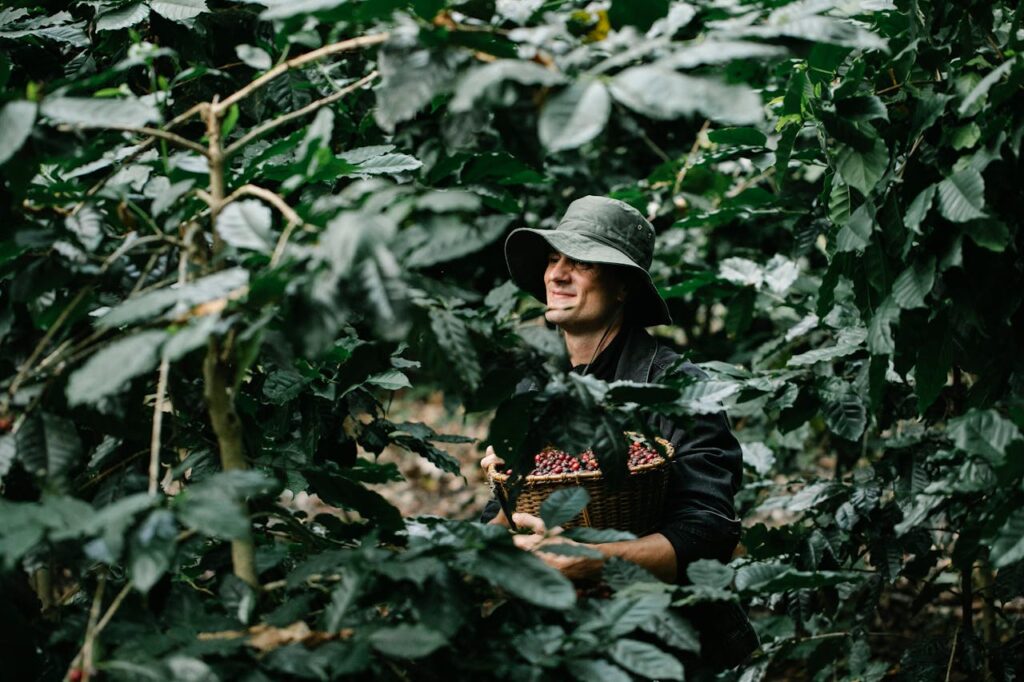
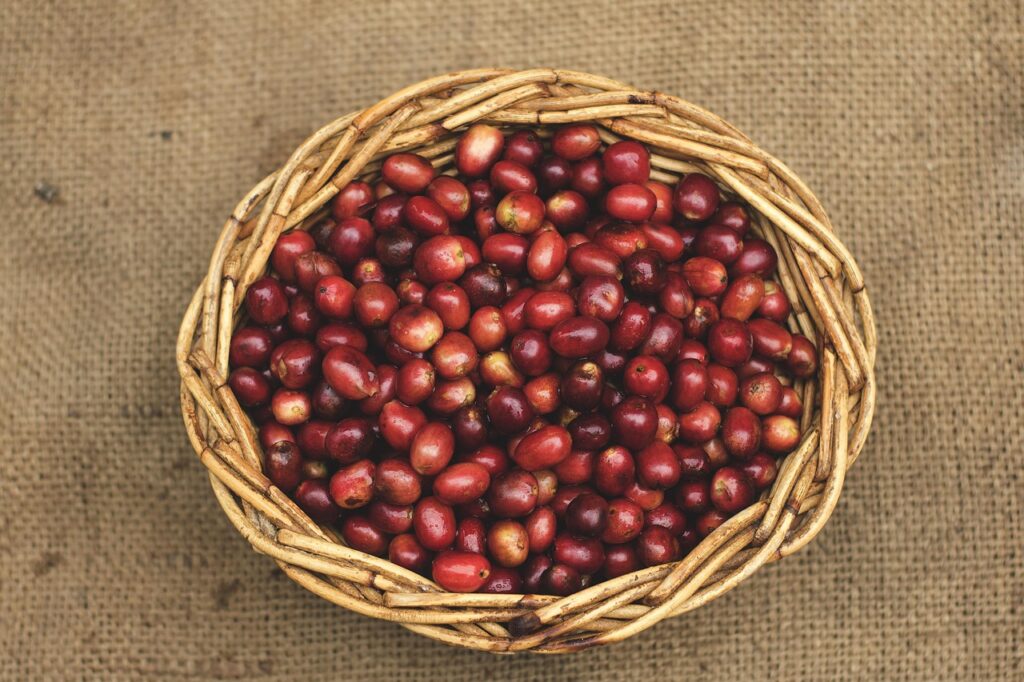
Standing in a coffee farm surrounded by mist and morning sun, you can sense that every detail matters. Subtle factors—like the impact of microclimate coffee—transform each cherry’s potential. For growers, these details create distinctive flavors in tiny, coveted lots called nano-lots.
Specialty coffee micro-lots have become the gold standard for flavor lovers and professionals. These tiny parcels translate microclimate coffee into nuanced, complex profiles that can’t be recreated anywhere else. The stakes are high for those seeking unique taste experiences.
Discover how microclimate coffee shapes nano-lots’ reputation and value. In this article, we’ll trace concrete examples, list actionable tips, and unpack real farming strategies that influence coffee’s flavor, density, and aroma—no myths, only practical insight.
Decoding Microclimate Patterns for Micro-Lot Distinction
Microclimate coffee thrives on hyper-local weather quirks. When growers learn these details, they can harvest smaller, flavor-packed lots. You’ll see why tracking humidity, fog, soil heat, and airflow changes flavor from tree to cup.
Effective microclimate mapping turns farm management into a daily hands-on routine. By looking at vines or leaves’ color, you’ll spot why the same valley creates two dramatically different micro-lots—one sweet and dense, another floral and bright.
Shadow and Sun: Practical Field Adjustments
Farmers watch for how shade shifts through the day. If a neighbor’s tree casts extra late-afternoon shadow, one block ripens two weeks later. Adjusting row orientation can build in more morning sun, driving different flavor notes.
Experienced pickers learn where fog sits dense each morning, picking those cherries slightly riper. They split harvest days: one hillside at sunrise, the next block after fog lifts. Timing builds consistency into nano-lots and keeps microclimate coffee quality high.
Farmers treat rainy and dry patches uniquely, irrigating sandy areas early while holding back on clay. Each adjustment nudges ripening, turning microclimate data into flavor cues, matched cup after cup.
Mini-Regions Inside a Single Farm
Growers walk plots daily, watching for temperature and wind shifts that create nano-lot zones. “We call this spot La Neblina—see how leaves are always wet here? We pick it last,” a grower once shared.
Lots exposed to night breezes dry faster. Farmers may mulch more heavily there, locking in needed ground moisture. In dry micro-zones, slowing berry stress preserves acidity and wins higher cupping scores at auction.
Soil color signals differences in mineral uptake. Deep reds, for example, mean more iron—a trait that can punch up microclimate coffee’s fruitiness even if the rest of the plot tastes subtly herbal and light.
| Microclimate Factor | Farm Action | Cup Impact | Next Step |
|---|---|---|---|
| Morning fog | Delay picking | Higher sweetness, softer acid | Pick those lots last |
| Midday wind | Extra mulching | Preserved juiciness | Lay mulch weekly |
| Soil temp hot spots | Row replanting | Spicy or bold flavors | Replant with shade cover |
| High humidity | Row spacing wider | Clean, floral notes | Widen during next pruning |
| Patchy rainfall | Custom irrigation | Even ripening | Monitor and adjust weekly |
Pinpointing Terroir: Key Tactics to Isolate Nano-Lots
Growers shape exceptional microclimate coffee by segmenting plots using simple rules. Fine-tuned observation trumps broad assumptions—every row, tree, and contour gets individualized attention for optimal quality.
Flagging subtle changes in leaf gloss or root health guides which mini-zones to convert to separate nano-lots. Tracking these changes throughout the season creates a living map farmers use for picking decisions.
Dialing in Micro-Lot Boundaries
To separate nano-lots, top growers stake out boundaries based on soil, slope, and even windbreak placement. Each subdivision becomes a new experiment in cultivating microclimate coffee’s best expression.
- Segment plots visually at sunrise when dew reveals subtle soil moisture differences—this narrows picking areas for uniform batches and simpler recordkeeping.
- Flag trees with unusual flowering or berry development so those rows can be monitored separately. Over time, these become nano-lot candidates with standout flavors.
- Track irrigation timing—one farmer’s tip: “If the soil is cool at dawn, but dry by dusk, split that patch next time.” You’ll adapt this split/merge rule all season.
- Tally bean density per row every three weeks and revisit boundaries each picking window. Clear records show which lines taste distinct and deserve solo processing.
- Use natural boundaries like rock outcroppings or tree lines to fix lot edges. These markers keep management easy and help repeat microclimate coffee results.
By managing each zone with unique attention, growers create nano-lots packed with identity. This approach ensures each micro-lot reveals genuine terroir in the cup.
Harvest Scheduling for Peak Ripeness
After mapping, schedule harvests block-by-block rather than by broad date. Each zone’s fruit gets picked at its absolute peak, maximizing microclimate coffee’s depth. Choose exact windows by checking sugar content daily.
- Sample a handful of cherries from each block at the start of each shift—adjust the day’s plan if sweetness isn’t high enough. You avoid premature picking and maintain standout cup quality.
- Rotate crews so the same people pick the same trees each time. Workers learn the quirks of their patch and spot quality shifts before bigger problems develop.
- Schedule micro-lots with the longest ripening separately. These late picks yield concentrated, complex flavors appreciated by specialty buyers and competitive judges alike.
- Time harvesting for slightly different stages on neighboring blocks. If one area peaks before another, stagger shifts rather than rushing all at once.
- Maintain daily notes on which micro-lot areas ripen first each season. Use these historical details to refine next year’s harvest plan for even better nano-lots.
Fine-tuning labor, timing, and recordkeeping guarantees each nano-lot reflects its precise microclimate coffee roots and offers reliably unique results every year.
Shaping Flavor through Microclimate Management Actions
Managing microclimate coffee plots for flavor is a hands-on process. Quick, repeatable actions like adjusting shade, soil, or timing let growers tweak nano-lots for complex, desirable qualities that stand out in the specialty market.
Customizing Shade Layouts for Distinct Profiles
When planning shade tree layout, farmers use “pocket patterning”: placing denser canopy in morning-scorched zones and leaving open sky over humid valleys. This creates dynamic flavor gradients across a single hillside, preparing micro-lots with clearly different profiles on each pass.
Select fast-growing species for new shade near scorched rows—look for dark, lush leaves. Prune lower branches twice a season to control sunlight levels and prevent mildew in damp microclimate coffee blocks. Document changes with photos for next season’s tweaks.
Pair high light with bean varieties known for sugary or stone-fruit flavors, while using dense shade for lots prized for herbal or floral traits. Each iteration lets growers experiment and expand their microclimate coffee range by taste, not just tradition.
Moisture Control Tactics that Drive Cup Quality
Soil covering—mulch, compost, or groundcover—retains moisture in dry micro-pockets, keeps roots cool on hot days, and supports stable bean growth. In microclimate coffee, this means denser beans and longer maturation, which build richer sweetness and complexity.
Monitor ground temperature with inexpensive probes: “My soil felt cold even at noon—so I mulched heavier and checked again next week,” one producer said. Small, regular moisture checks quickly shape dense, unique nano-lots.
Plan quick irrigation bursts in isolated dry sections, then let humid micro-zones dry a day before watering—use these tactical shifts rather than uniform watering to avoid bland or muddy flavors across the entire farm.
Nano-Lot Microclimates: Lasting Value for Farmers and Roasters
Nano-lots shaped by microclimate coffee techniques deliver unmistakable advantages—a diverse, high-value portfolio for farmers, and nuanced, sought-after flavors for roasters and drinkers. Each decision, from irrigation to shading, affects lasting quality for every tiny batch.
Rather than chasing a single “perfect” cup, this approach encourages continuous fine-tuning. By observing, experimenting, and keeping records, growers make informed tweaks that unlock new depth and personality—all traceable to a precise microclimate signature.
Buyers who seek true variety and character in coffee will find these nano-lots deliver the kind of complexity that can’t be faked. Embrace the nuances, celebrate the skill, and help build a market where small lots matter as much as big names.
Frequently Asked Questions
What is a nano-lot in specialty coffee?
A nano-lot is an extremely small, precisely managed parcel producing 5–10 bags—each separated for its unique microclimate coffee flavor. Nano-lots are distinct from larger micro-lots in their focused size and hands-on handling by growers.
Why does microclimate coffee taste so different from one lot to the next?
Microclimate coffee flavor shifts due to local weather, soil, sun, and humidity variations—even just a few hundred feet apart. Careful separation and custom harvesting preserve unique taste notes, leading to dramatic diversity in cups from the same region.
How do farmers identify the boundaries of a nano-lot?
Growers use field walks, soil/leaf observations, and even data loggers to find natural divisions. Each section is marked and tracked through the season—making sure microclimate coffee from each spot is harvested, processed, and cupped separately.
Are micro-lots and nano-lots only for premium markets?
While specialty microclimate coffee nano-lots earn premium prices, the practices behind them—careful mapping, isolated picking, and thorough recordkeeping—can benefit any farm aiming for improved quality and traceability.
How do buyers know they’re tasting true microclimate coffee?
Reputable lots include traceable records or farm details showing exact blocks, processing, and unique picking dates. Buyers should request this information to verify that the cup reflects genuine nano-lot microclimate coffee rather than bulk blending.