
The visual impression of ancient terraces stacked along mountain slopes is mesmerizing. Among them, the resilience of Yemen’s agricultural traditions sparks curiosity—especially for fans of specialty micro-lots looking to understand what makes each cup unique. Those terraces, centuries old, nurture the prized Yemen coffee that continues to surprise global connoisseurs seeking depth and nuance beyond ordinary brews.
Coffee terraces hold more than scenic appeal; they form the backbone of Yemen’s living agricultural legacy. Generations of farmers coax Yemen coffee cherries from these craggy landscapes, battling climate extremes and shifting markets. Grasping why these micro-lots are so exceptional ties directly into how the terraces themselves are created, maintained, and harvested in rhythm with the land and local customs.
If you’ve ever wondered what sets micro-lot Yemen coffee apart, journey through this article. You’ll learn how ancient terraces, family labor, and heritage seed stock come together to anchor specialty coffee’s past, present, and future.
Identifying Signature Qualities in Yemen’s Micro-Lot Terraces
Anyone tasting Yemen coffee from terrace-grown micro-lots will quickly realize the distinct flavors. To pick out these qualities, pay attention to the cup’s layered complexity, mouthfeel, and aromas unlike those found anywhere else.
Farmers plant seeds at precise intervals—70 centimeters apart in rows tracing the contours of slopes—to maximize both sunlight and water retention. This layout supports consistent cherry ripening across generations.
Time-Tested Planting Patterns Connect Old and New
Yemeni growers often use locally coined phrases to explain old techniques. A farmer might say, “Every row matters, each step holds history.” Terraces, some dating back to the 14th century, are laid out with skill passed parent to child.
Spacing is determined not just by tradition but by proven results: newer rows are carefully mapped based on successes observed over decades. This ensures micro-lots produced from these plots demonstrate resilience in drought and reliable yield.
Modern agronomists sometimes compare this system to urban zoning—every plot has its role, and small changes ripple across the whole landscape. The takeaway: closely monitor each segment of a micro-lot terrace to maintain stability.
Harvesting Routines Influence Flavor Profiles Directly
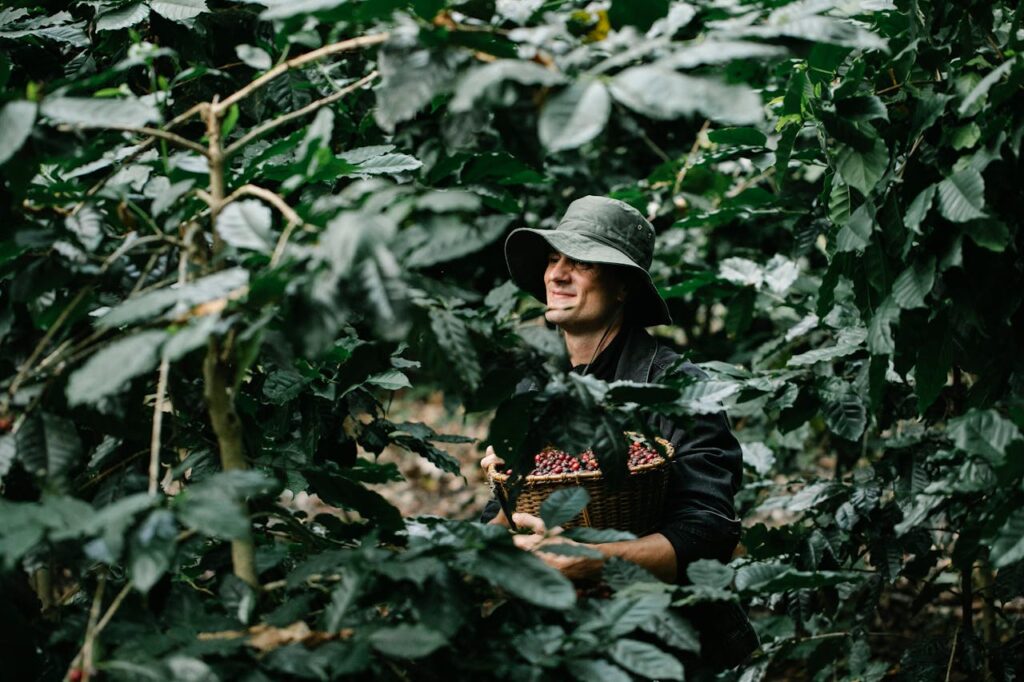
On any terrace, picking ripe cherries by hand is the norm. Families spread out at dawn, baskets in tow. Each person whispers assessments: “This bunch is ready, that one waits.” Uniformity of ripeness is a core value.
This strict selection means only optimal cherries from each micro-lot reach drying beds. It’s the reason cup scores for Yemen coffee can spike, with flavors showing rare berry, cocoa, and dried fruit notes. Discipline pays in every batch.
Think of this process like a chef tasting every ingredient before adding it to a signature dish. For quality that endures, train your eye and hand to be as selective as Yemen’s pickers—consistency transforms your results.
| Aspect | Yemen Terrace Micro-Lots | Conventional Coffee Fields | Takeaway |
|---|---|---|---|
| Elevation | 1,800–2,400 meters | Varies widely | Higher altitude means slow cherry development and layers of flavor |
| Seed Varieties | Ancient heirlooms (Dawaeri, Ismaili) | Hybrids, modern cultivars | Heirlooms yield complexity prized in specialty micro-lots |
| Harvest Style | Manual, selective picking | Mechanical or strip-picked | Hand selection ensures superior flavor integrity |
| Processing | Natural sun-dried on rooftops | Washed/dried on patios | Sun-drying intensifies fruit character unique to Yemen coffee |
| Micro-Lot Sizes | 50–500 kg per lot | 1,000+ kg per lot | Small size enhances traceability and experimental batches |
Practices That Protect Yemen Coffee Micro-Lots for Future Generations
Sustaining Yemen coffee production on ancient terraces depends on detailed steps taken year-round. By observing successful routines, growers reinforce healthy micro-lots and build resilience for decades ahead.
Water conservation guides nearly every daily task. Farmers prepare intricate stone channels to redirect precious rainfall, reducing soil erosion and supporting deep root systems. Routine maintenance is non-negotiable for production continuity.
Preserving Heritage Trees
Caring for ancestor-planted trees takes priority. Farmers organize yearly “tree renewal” days where they clear weeds, mend dry stone walls, and share cuttings of healthy heirloom stock. This approach sustains both plant and community heritage.
- Propagate only from well-performing Yemen coffee trees that display vibrant leaf color and steady yield, ensuring future micro-lot quality doesn’t decline with age.
- Mix old and new plantings to hedge against blight, using trusted cuttings alongside experimental seeds for adaptive resilience in evolving climate conditions.
- Host seasonal community workshops to pass pruning skills to younger generations, solidifying shared knowledge and increasing the skill pool for terrace upkeep.
- Rotate fertilization between organic manure and kitchen compost, maintaining natural soil balance without over-reliance on artificial inputs that risk long-term stability.
- Document tree lineage directly in shared logbooks, so future growers can retrace decisions and results, mirroring precise record-keeping observed in top specialty micro-lots globally.
Farmers who treat trees as family inherit not only harvests, but the wisdom to keep terraces flourishing despite mounting pressures from pests and commercial shifts.
Reviving Water Management Techniques
Proficiency in harvesting and channeling rainwater ensures Yemen coffee terraces don’t suffer despite growing dryness. Old stone cisterns, regularly patched by hand, are crucial gear for this micro-lot system.
- Clear silt and debris from terrace channels after each major rainstorm to avoid blockage; this protects root zones from rot and activates beneficial microbial activity.
- Design each channel to snake gently rather than run straight, which prevents runoff from stripping away topsoil and supports moisture retention where cherries need it most.
- Check cistern levels weekly at the start of the dry season; consistency here signals active stewardship to other farmers in the community and keeps terrace norms strong.
- Pair channel repairs with community planting days, maximizing labor while reinforcing water traditions as social events rather than solitary chores, deepening generational ties.
- Invest extra effort reinforcing stone walls near the oldest trees, since these anchor micro-lot heritage and shield valuable coffee plants against seasonal flooding or mudslides.
Drawing from these detailed habits, modern coffee enthusiasts get clear evidence: protecting micro-lots starts with attentive steps maintained year after year by those who know the land best.
Soil, Climate, and Rituals Distinguish Each Yemen Coffee Micro-Lot
Tasting Yemen coffee isn’t just about the cup—it’s about understanding exactly what shapes each micro-lot before beans even reach the roaster. Local soil variations, climate quirks, and annual rituals are all pivotal factors.
While neighboring terraces sometimes appear uniform from afar, even small distances can create dramatic differences in flavor and resilience. Expect to see neighboring micro-lots taste wildly distinct when cupped side by side.
Mini-Checklist: Evaluating Differences Among Micro-Lots
Before buying a Yemen coffee micro-lot, ask the producer for the elevation, predominant soil type, annual rainfall, and month of harvest. Each data point links to unique taste and processing needs.
If a micro-lot sits on sandy loam at 2,200 meters and harvested in October, expect denser, fruit-forward notes. In contrast, clay-rich plots at 1,800 meters might yield a cocoa-heavy, mellow profile.
Evaluating these basics creates a clearer roadmap for both roasters and drinkers. Log every detail when cupping micro-lots—over time, this sharpens sensory skills and reveals personal preferences.
Rituals That Secure Distinct Flavor Profiles
Families gather at sunrise during harvest, starting with blessing rituals thanking the land. This sets a careful pace that shapes each step, from picking to drying. The process isn’t rushed, a fact you can taste in final brews.
Cherries are laid in single layers atop clay roofs, rotated every two hours by hand. “Turn with care, taste with pride,” is a saying in Sana’a. This level of attention results in flavors both layered and stable.
For coffee professionals wishing to emulate this, adopt similar hands-on rituals—inspect, rotate, and taste throughout every micro-lot phase rather than relying solely on automated systems.
The Role of Seed Lineages and Genetic Diversity
Maintaining robust Yemen coffee micro-lots depends on continuing ancient seed lineages while selectively widening the gene pool when needed. This combination brings both stability and new flavor potential to micro-lot production.
Heritage varieties like Dawaeri and Ismaili bring strong disease resistance and unique profiles—spicy, floral, or winey notes—that buyers uniquely associate with Yemen’s highland terraces.
Scenario: Combining Tradition with Targeted Experimentation
Farmer Fatima saves seed from her highest-yielding Dawaeri plot each year. She trades a bag with another village for a rare “Tofaahi” variety, tracking differences by cup and yield in her notebook.
This careful approach—preserving core stock while intentionally introducing small changes—helps minimize risk but keeps farms adaptive to new threats and opportunities.
Her method echoes a basic research routine: maintain controls, swap test subjects methodically, and measure outcomes at every step, improving crop performance and cup quality in each micro-lot harvest.
Mini-Process for Breeding Healthy Micro-Lots
Start seed selection post-harvest, choosing only fruit that scored highest by taste and yield. Soak seeds in rainwater overnight. Discard floaters—these are less viable for planting.
Sow seeds in fresh compost within sun-protected beds for the first month. Check for germination after 14 days, transplanting only those seedlings displaying vibrant, upright growth to the terraces in small groups.
Document each micro-lot’s parentage and progress, sharing learnings at cooperative meetings. This transparency promotes accountability and spread of best practices across the broader coffee community.
Investment and Change: Micro-Lots as a Model for Specialty Coffee
Yemen’s micro-lot system offers clear, actionable insights for anyone aiming to improve specialty coffee operations elsewhere. Adopting some or all of these routines can yield lasting improvements in quality, resilience, and traceability.
Small plot size allows for tighter control at every stage, from soil testing to manual harvesting. Micro-lot producers can quickly pivot based on feedback, generating more market agility and standout products.
Concrete Steps for Starting a Micro-Lot
Select a manageable section—no more than 500 plants—for your trial. Track every application of compost, every pest intervention, and document cherry output. Share your log with peers for review.
Apply Yemen’s lesson: don’t scale till you succeed small. Resist rushing second or third lot plantings until the original micro-lot is genuinely superior and sustainable season-to-season.
This deliberate model encourages iterative improvement and consistency. Use maps to visualize changes and maintain clarity over years, not just isolated seasons.
Checklist for Transparency in Specialty Micro-Lot Coffee
Label each lot with producer name, harvest date, elevation, and dominant variety.
Document each processing stage and tasting score. Upload details to a shared database so buyers and cuppers trace what worked—and what didn’t—creating an industry-wide feedback loop.
Reward lots with the cleanest records and best profiles for reinvestment, following the principle that visibility and precision enable the kind of ongoing excellence demonstrated by Yemen coffee micro-lots.
Resilience and Community Bonds Keep Terraces Alive
The future of Yemen coffee micro-lots hinges on collective action and adaptive planning. Community-driven maintenance, celebrated through annual festivals and shared duties, preserves terrace health under mounting climate and economic pressures.
Forming local watering guilds, scheduling festival-driven cleaning, and launching youth apprentice days keep the culture alive as much as the terraces themselves. Everyone has a role in this dynamic landscape.
Sustaining a Legacy: Tasting the Future in Every Micro-Lot Harvest
From planting seeds to sharing coffee stories, Yemen’s terraces show what’s possible when old wisdom meets new specialty practice. Micro-lots anchor the region’s reputation as a birthplace of layered, expressive coffee.
The careful stewardship of these plots offers a concrete lesson: attention at every step safeguards both flavor legacy and farming communities. Yemen coffee keeps evolving, powered by generations united through shared purpose and careful record-keeping.
As you next enjoy a cup of Yemen coffee from a terrace-grown micro-lot, remember that its richness is rooted in these resilient, centuries-old practices—a reminder that quality always follows from care and continuity.
Frequently Asked Questions
How does Yemen coffee from terrace micro-lots differ from other specialty coffees?
Yemen coffee, especially when grown on ancient terraces, displays unique flavor complexity thanks to heirloom seed stock, meticulous harvesting, and sun drying. Micro-lots reinforce traceability, making each cup representative of a distinct place and process.
What are the main challenges facing Yemen’s coffee terraces?
Growers face water scarcity, soil erosion, unpredictable rainfall, and pest outbreaks. Community work, detailed record-keeping, and investment in water systems help preserve both yield and cup quality despite these persistent threats.
Are Yemen coffee micro-lots suitable for all roasters?
Roasters seeking unique flavors, depth, and heritage will appreciate Yemen micro-lots. However, their small size and sometimes unpredictable yields favor smaller, specialty-focused roasting operations ready to adapt to batch variations.
Why are Yemen coffee terraces important for specialty coffee’s future?
They serve as living laboratories—preserving ancient techniques while innovating new methods. Lessons from Yemen’s resilient micro-lots influence sustainability, transparency, and sensory exploration across the global specialty sector today.
How can new producers replicate Yemen coffee micro-lot practices?
Start with manageable plots, focus on plant health and documentation, and build community ties. Prioritize careful cherry selection, sun drying, and iterative improvement, learning from the embedded routines that make Yemen’s terraces so enduring and admired.