There’s something captivating about micro-lot specialty coffee—the sense of place, the story in every cup. Mentioning hawaii kona coffee instantly conjures images of pristine volcanic slopes and meticulous farming traditions.
Beyond the vibrant labels and single-origin hype, micro-lots offer more than a marketing angle. They deliver tangible taste complexity and a clear reflection of how coffee can evolve through careful, small-batch curation.
As you read on, you’ll see how each step, from the trees to the drying patios, shapes these coffees. Let’s walk through the specific practices that make hawaii kona coffee micro-lots more than just a name.
Evaluating Micro-Lots by Direct Taste, Not Just Origin
Every micro-lot from Hawaii’s Kona region tells its story through taste. You’ll learn to identify flavors unique to small plots and see why direct experience outweighs branding.
Micro-lots are defined by their meticulous selection and traceability. Each lot showcases individual plant genetics, elevation, climate, and processing, bringing diverse expressions to the hawaii kona coffee market that supermarket blends can’t replicate.
Identifying Distinctive Flavor Profiles by Plot
Cupping side by side, farmers and buyers discover that one plot yields honeyed macadamia notes, while another bursts with ripe citrus. This real, hands-on tasting sets micro-lots apart from larger, blended batches.
You can mimic this process at home: buy two single-farm hawaii kona coffees and taste them blind. Observe differences in sweetness, acidity, and texture—your palate will guide you more than any label or story.
Curiosity leads many to compare tasting notes from cupping sheets to their own impressions. The results rarely align perfectly, confirming each micro-lot’s true individuality and value.
Exploring Plant Varietals and Their Influence
Farmers in Kona select varietals like Typica and Bourbon for their unique cup profiles and disease resistance. Each micro-lot highlights how even slight changes in varietal can shift flavor and mouthfeel significantly.
When walking through a small farm, notice how each row might be a different varietal. Track your favorite hawaii kona coffee flavors back to the plant type—it makes every cup a learning opportunity as well as a pleasure.
Enthusiasts swap notes: “I always get dried mango from Lot 6’s Bourbon” or “Typica from Smith’s plot is floral.” Exploring lot numbers tied to varietals opens up a rewarding world of nuance.
| Lot Name | Varietal | Flavor Highlights | Recommended Brewing |
|---|---|---|---|
| Kailua Slopes Micro-Lot | Typica | Macadamia, vanilla, orange zest | Pour-over to accentuate clarity |
| Hualalai Reserve | Bourbon | Dried pineapple, brown sugar | Espresso for richness |
| Mauka Select | Typica/Red Caturra | Red apple, honey, cocoa | French press for heavier body |
| Pohaku Peak | Kona SL34 | Florals, ripe tangerine, almond | Aeropress to enhance aromatics |
| Sun Ridge Lot | Yellow Bourbon | Plum, caramel, herbal | Cold brew to highlight sweetness |
Differentiating Micro-Lots by Farm Practices and Harvesting
Knowing a coffee’s farming method changes how you choose beans. In specialty circles, it’s common to ask, “How was this hawaii kona coffee micro-lot grown and picked?” The answer directly impacts flavor consistency.
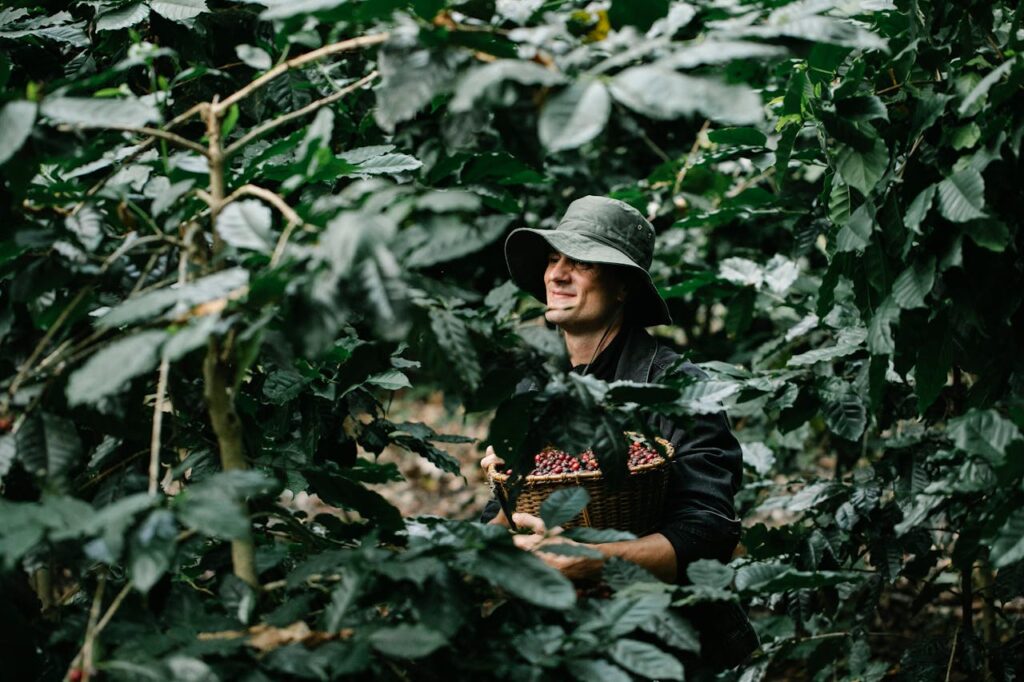
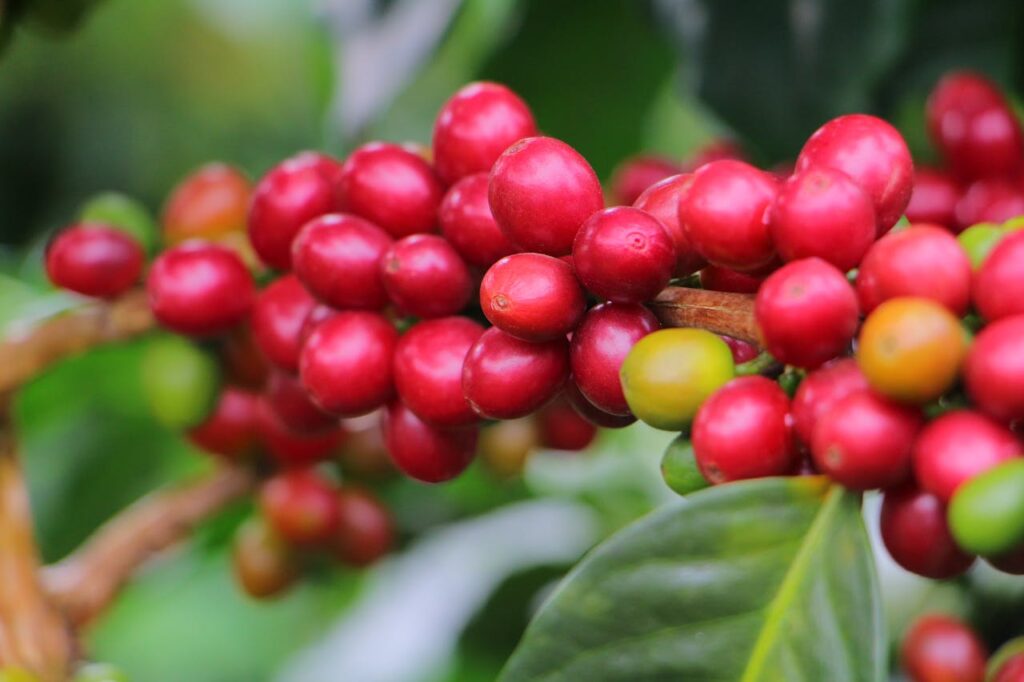
Selective hand-picking, as opposed to mechanical harvesting, leads to more uniform ripeness in the cup. When each cherry is picked at peak, the coffee develops vibrant acidity and clean sweetness.
Farm Management and Attention to Detail
Hawaii kona coffee micro-lots typically rely on small, dedicated teams. The work includes shade canopy adjustments, regular pruning, and soil mineral monitoring every season to optimize tree health and bean quality.
- Sample harvest cherries by color before full picking day; ensures most mature fruit makes the cut each time.
- Monitor parchment dryness closely with moisture meters; keep every lot in the ideal range for balanced aging.
- If rain falls unexpectedly, pause picking and resume when cherries are dry; prevents defects from entering a micro-lot batch.
- Log every lot with date and picker initials; track back cup quality to farm practices when evaluating next year’s crop.
- Apply mulch and natural fertilizer to selected plots based on soil test results; improves unique lot expression harvest after harvest.
Carefully managed plots yield a recognizable signature year to year. When buyers visit, farm logs and tasting records help prove why each lot stands apart in the hawaii kona coffee lineup.
Harvest Timing and Impact on Final Cup
Choosing when to begin harvest—early or late season—gives farmers control over micro-lot character. Early picks might produce brisk acidity, while later ones develop deeper sugar and darker fruit in the hawaii kona coffee cup.
- Plan a picking schedule linked to ripening maps; catch peak sweetness without overripe flavors muddying the lot.
- Sort harvested cherries again at the mill for bonus quality screening; filter out underripe and defective beans before they affect taste.
- Keep daily logs so each micro-lot includes only cherries picked on the same calendar day; consistency equals purity in the cup.
- After processing, rest greens well before export; stabilizes flavor—especially important for volatile micro-lots with delicate notes.
- Taste roast samples from each lot’s peak maturation window; use real-time feedback to tweak next season’s picking plan.
Taking these steps cements a farm’s reputation and encourages repeat buyers seeking reliable hawaii kona coffee micro-lots every harvest year.
Tasting Through Micro-Lots: Steps for a Sensory Journey
Comparing cups side by side gives buyers and home tasters a way to tune their palates and set preferences. Try these micro-lot cupping sessions to reveal hidden nuances in hawaii kona coffee.
Simple steps like organizing a mini “farm flight” at home let you taste the direct impact of soil, harvest date, and varietal. Small differences stand out with more focus than you’ll find in standard supermarket beans.
Setting Up a Farm-Style Cupping at Home
Arrange cups by micro-lot, using identical grind and water ratios for each brew. Label only the bottoms—taste blind, then reveal the labels when the session ends.
Record notes on sweetness, acidity, and any unexpected flavors. Friends tasting together often spot different highlights, showing the diversity within hawaii kona coffee’s micro-lot output.
Discuss what stood out—”That one was juicy,” or “This cup had cocoa I wasn’t expecting.” Make this a ritual: each round sharpens your sense of both subtlety and surprise in specialty coffee.
Interpreting Sensory Feedback Like a Pro Taster
Start by calibrating your palate. Sip water and eat a bland cracker between samples. Then slurp each coffee loudly, spreading it across the tongue for maximum effect—exactly how professionals approach specialty coffee cuppings.
Log your results in a notebook: “Lot A—berry, floral, clean finish; Lot B—molasses, stone fruit, heavier body.” Compare notes across sessions to spot patterns and personal favorites among hawaii kona coffee micro-lots.
Adopt this direct language: avoid vague words like “good” and “nice,” and use terms that tell your future self exactly what wowed you. Building your tasting vocabulary helps you appreciate the finer points in micro-lots.
Connecting Micro-Lot Choices to Brewing Results Every Day
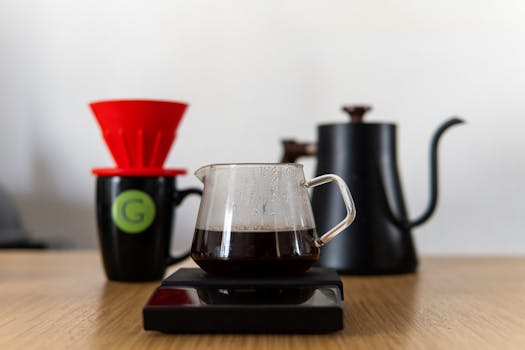
After selecting a micro-lot, use these rules to brew your hawaii kona coffee to its best advantage. The right method can make delicate florals shine or coax extra sweetness from heavier-bodied lots.
Always grind fresh and match your water temperature to the coffee’s style. Even small adjustments—grind size, brew time, water source—can spotlight or mute the flavors unique to specialty micro-lots.
Recognizing Direct Trade, Price, and Small-Farm Impact
Choosing micro-lots supports sustainable pricing models and direct relationships. You influence not only the flavor in your cup: your choices power up the next season’s farm investment in hawaii kona coffee micro-lots.
Buyers and roasters who prioritize micro-lots foster farm resilience. They often share feedback directly with the producer, enabling precision tweaks that elevate coffee quality with each new harvest.
Documenting Your Coffee Journey: Tasting, Logging, and Revisiting
Keep a simple record of each hawaii kona coffee micro-lot you try: origin, flavor notes, brew method, and any surprises. Consistent note-taking builds a personal roadmap to future favorites.
Over months, these records become a valuable guide. You’ll see trends—perhaps discovering a preference for certain plots, processes, or specific elevation bands across hawaii kona coffee micro-lots.
Choosing Micro-Lots with Intention
Micro-lots from Hawaii’s Kona region offer more than uniqueness on paper. Direct attention to farm method, taste, and detail allows you to connect with every step in the coffee’s journey, not just the brand.
Every small batch represents a season’s choices, weather, and hands. Staying curious about hawaii kona coffee micro-lots brings meaning—and delicious rewards—to each morning routine. Tasting side by side deepens that sense of place.
Let these tips inspire your next purchase or home cupping session. The world of micro-lot coffee is wide, promising discovery in every carefully sourced lot from the Kona district and beyond.
Frequently Asked Questions
What defines a micro-lot in the world of specialty coffee?
A micro-lot is a small, distinctly separated batch of coffee—tracked from tree to bag. In hawaii kona coffee, micro-lots mean ultra-focused selection, traceable back to specific farm rows, and offer unique taste profiles unavailable in standard lots.
How can I tell if a coffee is truly a micro-lot?
Genuine micro-lots include detailed farm, harvest, and process information on the label. Buyers can request cupping notes, lot numbers, and even farm photos. Local and direct trade roasters usually provide this level of transparency for hawaii kona coffee.
Do micro-lot coffees always taste better than blends?
Micro-lots show more pronounced, individual character: more fruit, distinct florals, or surprising textures. Some drinkers prefer the complexity, while others enjoy consistent blended flavor. Every hawaii kona coffee micro-lot experience is unique—try several and track your preferences.
Why are micro-lots from hawaii kona coffee typically more expensive?
Careful hand-picking, processing, and sorting on small farms require extra labor and resources. These efforts yield superior quality, traceability, and direct support for farmers, which drives up the cost compared to commodity-grade coffee.
How can I store micro-lot hawaii kona coffee for freshness?
Keep beans in airtight, opaque containers away from light and moisture. Buy only what you’ll use within two weeks. Grind right before brewing—these steps preserve the character and freshness of every hawaii kona coffee micro-lot.