Unearthing the finest specialty coffee micro-lots brings as much satisfaction as finding a favorite book tucked away on a quiet shelf. Within this exploration, the unique qualities of el salvador coffee shine through layers of tradition and innovation.
Understanding why coffee professionals prize micro-lot coffees requires a trip into the details: careful farming, meticulous sorting, and a sense of place. These elements work together in Santa Ana, shaping coffee you’ll remember.
By reading further, you’ll access the secrets, methods, and flavor experiences that separate these rare Santa Ana micro-lots from other offerings. Let’s step beyond the familiar and visit what makes these gems worth seeking out.
Pinpointing Micro-Lot Origins for Consistent Quality
Locating a true specialty micro-lot boosts your chances of tasting el salvador coffee at its best. Start by looking for small, family-managed farms that list precise altitudes and coffee varietals.
Trustworthy labeling and transparency offer a first clue. Producers who publish exact plot details signal a commitment to both quality and traceability.
Verifying Micro-Lot Authenticity with Key Details
A real micro-lot experience begins with tracking farm location. Ask for GPS coordinates or plot names; many reputable roasters share these openly for transparency.
Look for the picking date and processing method on packaging or websites. When both are present, you know the attention to detail matches the micro-lot promise.
Watch for farmer recognition on bags or in shop descriptions. Names and photos create a direct link to origin, grounding your cup in reality, not marketing hype.
Comparing Micro-Lots: Taste, Batch, and Sustainability
Compare two el salvador coffee micro-lots side by side by noting which batch you’re sampling, and which harvest season it belongs to.
If one is washed and another honey-processed, jot clear flavor differences. This hands-on comparison helps refine your palate through direct experience.
Consider sustainability info published alongside batch notes. Shade-grown certifications or organic credentials point to farming approaches supporting community and land.
| Farm/Plot | Altitude (m) | Process Method | Flavor Lead Note | What This Reveals |
|---|---|---|---|---|
| Finca El Mirador | 1,600 | Washed | Juicy Red Apple | Higher elevation enhances brightness and clarity in el salvador coffee. |
| La Nieve Micro-Lot | 1,450 | Honey | Wildflower Honey | Honey process brings out lush sweetness linked to traditional handling. |
| El Paso Nano-Lot | 1,700 | Natural | Dried Plum | Fully natural methods deepen fruity intensity unique to el salvador coffee. |
| Santa Rosa Single Plot | 1,500 | Washed | Cocoa Nib | Consistent washing produces classic, chocolatey Salvadoran profiles. |
| El Tapiz Reserve | 1,800 | Honey | Floral Lemon Zest | High altitude and slow maturation build subtlety and complexity. |
Field Handling and Harvest Routines That Preserve Character
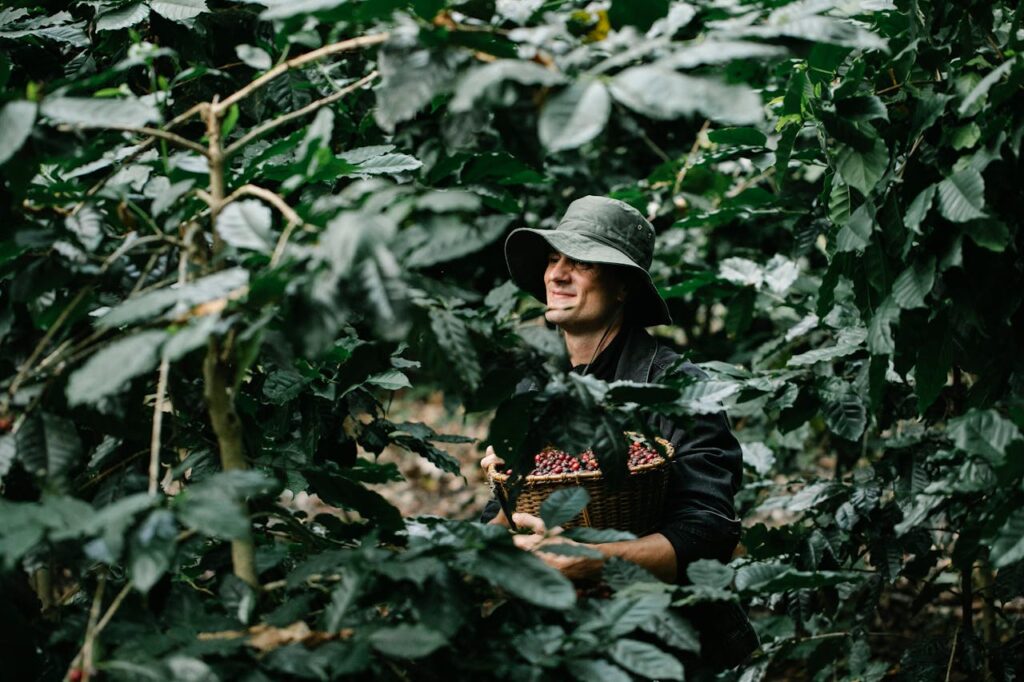
Adopting specific harvest protocols lets coffee lovers access flavors found nowhere else. Farmers use selective, hand-picking strategies to ensure only the ripest cherries reach the sorting stage.
Consistency begins with these manual techniques, especially in el salvador coffee micro-lot production where workers target uniform maturity.
Plot-by-Plot Sorting Enriches Each Cup
Post-harvest sorting by plot and variety helps keep beans unique. Workers check for size, color, and density before processing, boosting batch identity.
- Sort cherries on a raised, shaded table; this protects delicate fruit and helps prevent defects. Use daily, gentle hand movements to maintain top quality.
- Keep each variety separate during wet processing; don’t mix red and yellow bourbon in the same batch. This sharpens flavor definition in each micro-lot.
- Weigh daily harvests and pen quick notes on yield and weather conditions; these records help track quality for each el salvador coffee micro-lot year to year.
- Avoid overfilling baskets to prevent crushed fruit; train workers to monitor load size and encourage careful transport from field to mill.
- Document any pest or disease signs at picking; these logs alert future sorting teams to potential defects, improving accountability.
Every step above leads to richer, more consistent lots that earn premium micro-lot status while building trust among buyers and drinkers alike.
Fermentation Timing Makes or Breaks Delicate Profiles
Setting timers for fermentation batch by batch protects the subtle flavors micro-lots are prized for. Overlong fermentations risk sour, unclean notes in el salvador coffee.
- Activate fermentation timers by batch arrival, not by processing schedule; timing begins when cherries hit the tank for sharper control.
- Monitor tank temperature hourly; log drops or spikes to pinpoint when to end or extend fermentation for each micro-lot batch.
- Use precise water changes if needed to moderate temperature, especially in variable mountain climates. Stability means cleaner fruit notes in the finished cup.
- Smell and taste the coffee every hour during peak fermentation. A shift from grassy-sweet to vibrant fruit signals the right point to wash.
- Record exact times fermentation begins and ends for every micro-lot. An archive of these times will guide tweaks next season.
Every log and sensory check-in your process increases cup consistency and builds the micro-lot’s reputation in the specialty market.
Post-Harvest Storage: Safeguarding Aromas and Freshness
Proper storage after processing keeps el salvador coffee micro-lots at their peak from origin to cup. Sealed, controlled environments matter more than dramatic weather tales ever could.
Even in humid months, using moisture-proof packaging and off-floor storage racks makes a real difference for professional buyers and home enthusiasts alike.
Moisture Control: A Non-Negotiable Step
Producers must measure bean moisture to keep green coffee shelf-stable and reduce mold risk. Specialty exporters use calibrated probes, aiming for a sweet spot around 10.5-11.5% moisture.
Harvest interns rotate batches through drying patios in the morning and afternoon, shifting the piles with rakes for even drying. This old-school daily rhythm guarantees no “pockets” of dampness that undermine quality.
Once beans are sealed in food-grade bags and boxed for export, importers might check for condensation. Any hint triggers a call for re-drying or direct feedback to the producer.
Long-Term Storage for Cup Stability
Beans held longer than eight months need extra care. Warehouses review temperature logs, monitor humidity, and sometimes relocate stock to avoid spoilage cycles.
Home brewers mimic this in miniature by sealing green or roasted microlots in airtight, opaque canisters—kept cool and dry. This simple practice extends vibrancy and preserves delicate aromatics unique to el salvador coffee micro-lots.
Those who document storage conditions and cup results year by year build invaluable, personal reference guides and can recommend best practices to others in the micro-lot community.
Roasting Small-Batch Salvadoran Coffees With Intention
Precision roasting translates unique micro-lot potential into the cup. Roasters tailor each profile to reflect the farm’s character, similar to making small adjustments in a home recipe until the dish shines.
This repeatable, scalable approach ensures every el salvador coffee micro-lot releases its best attributes, whether for espresso shops or manual brewing at home.
Mapping First Crack and Dwell Strategies
Starting profiles with a steady but not aggressive heat curve prevents scorched flavors. Monitor color shifts and listen for subtle first crack signals without letting temperature swings take over.
Once the first crack begins, careful attention to the dwell time (that gap before cooling) shapes texture and balances acidity. Salvadoran microlots respond well to slightly longer dwells, locking in caramelized sweetness without muting fruit.
Roasters document each batch by time, sound, and aroma, building a reference bank. When finished, match notes with brewing outcomes to adjust future batches confidently.
Rest Timing and Development Tweaks
Resting roasted el salvador coffee micro-lots for 24 to 48 hours lets volatile aromatics settle. Tasting at intervals clarifies if resting brings more floral or cocoa notes.
If initial cups taste muted or woody, shorten the rest. If spiky or harsh, extend it another day. Each micro-lot may thrive on a different timeline, and records help spot patterns.
For expectations, post a quick chart comparing rest times, flavor effects, and your preferred brew method on your roastery’s wall or website for transparency that buyers appreciate.
Dialing-In for Peak Flavor: Brewing Protocols
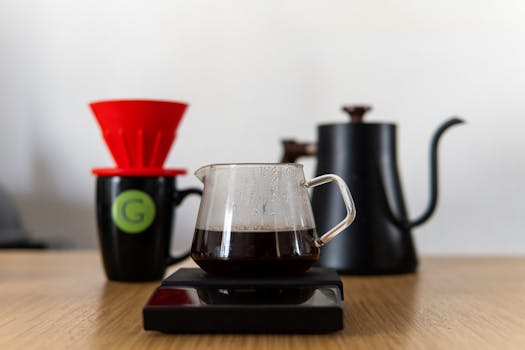
Dialing-in is more than a trendy phrase; it’s a stepwise process that gives each micro-lot a stage to perform. For el salvador coffee micro-lots, use exact weights and strict temperature controls.
Adjust one variable at a time—grind size, brew temperature, or ratio—and brew side-by-side cups. Compare not just aroma but tactile sensations and aftertaste.
Recipe Tweaks for Filter and Immersion
Filter brewing with a mid-coarse grind and 195 to 199 F water draws out floral high notes without risking grinding bitterness.
Immersion (such as French press) with a longer steep and slightly coarser grind amplifies chocolate and stone fruit notes, typical of honey-processed micro-lots.
Keep a logbook with each brew session’s dose, time, and grinding, then summarize which combinations brought out desired notes in each Salvadoran micro-lot.
Espresso Adjustments for Salvadoran Micro-Lots
Start with a ratio of 1:2.1 (18 g in, 38 g out) using an 8-bar pressure on modern machines. This lets juicy acidity shine but tempers sourness.
Adjust extraction time by 2–3 seconds at a time. If shots taste thin, grind finer; if they’re too concentrated, grind coarser and reduce the dose.
Document settings, crema texture, and date for repeat results and to share data with your favorite barista or homebrew community online.
Navigating the Santa Ana Specialty Scene: Guide to Small-Batch Sourcing
Seeking out trustworthy sources lets you access genuine el salvador coffee micro-lots that haven’t lost identity through overblending. Look for local exporters or direct-to-roastery importers who specialize in Santa Ana offerings.
Many provide visit opportunities or virtual farm tours, so you can see harvest lots in real time. Ask for samples and request a transparent breakdown of lot sizes.
Shopping Script for Choosing Micro-Lot Retailers
Start by greeting a staff member and asking, “Which micro-lots arrived most recently? Do you have a single-farm Santa Ana lot?”
Politely request to preview the farm’s elevation and variety label so you can match it to your taste checklist. Sampling on the spot deepens confidence in your selection.
Before paying, ask if the roastery or retailer has batch log sheets; these show exactly what’s been roasted when and affirm traceability claims—an easy way to separate true micro-lots from generic blends.
Networking With Producers and Buyers
Online social groups for el salvador coffee micro-lots grow every year. Roasters compile mailing lists, and farms share picking updates directly with buyers who ask.
Share short reviews and brewing tips in your chosen group. Producers appreciate this feedback, and over time, you’ll earn first dibs on experimental or limited-run micro-lots.
This direct rapport builds lasting community ties, useful for those willing to dive into micro-lot hunting each harvest season. Include batch numbers and your tasting notes: precision draws more conversation.
Frequently Asked Questions
What defines a coffee micro-lot from Santa Ana?
A micro-lot is a very small, traceable batch from a single plot or farm, processed separately to highlight unique flavors tied to origin, altitude, and careful handling.
How can I verify the origin of el salvador coffee micro-lots?
Look for batch labels listing farm name, plot, altitude, processing method, and pick date. Retailers or roasters should provide this info, plus transparency about farm-to-cup steps.
What brewing methods best highlight Salvadoran micro-lot qualities?
Manual pour-over and French press both work well. Use a coarser grind for immersion to showcase chocolate notes, and a mid-fine filter grind for floral or fruity profiles.
Why do micro-lot coffees vary so much in taste?
Micro-lots are influenced by variables like altitude, variety, soil, and microclimate. Because they’re produced on a small scale, seasonal changes and farmer technique lead to unique batches each harvest.
How do I store green or roasted Salvadoran micro-lots at home?
Keep beans in airtight, opaque, and cool containers, away from sunlight and moisture. If green, monitor for mold or condensation. If roasted, consume within several weeks for peak experience.
Bringing Out the Best in Every Micro-Lot Cup
Specialty micro-lots from Santa Ana transform a familiar drink into a layered, memorable experience. Every protocol—harvest, storage, roasting, brewing—challenges us to bring out distinct el salvador coffee profiles and reflect their origin story.
These steps connect farmer, roaster, and drinker across continents. Each carefully sourced el salvador coffee batch adds texture to the growing narrative of specialty microlots worldwide, marking progress in transparency and flavor discovery.
Commit to exploring new Santa Ana micro-lots each season, keeping notes and sharing outcomes. The more you engage, the deeper your appreciation grows for what makes each cup a hidden gem worth finding.