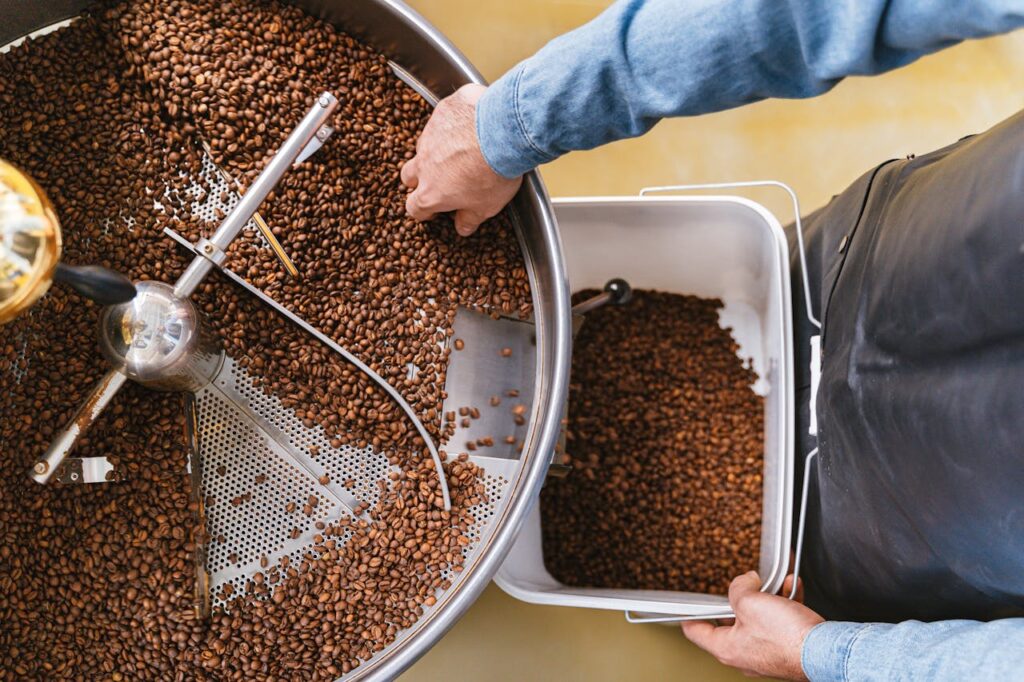
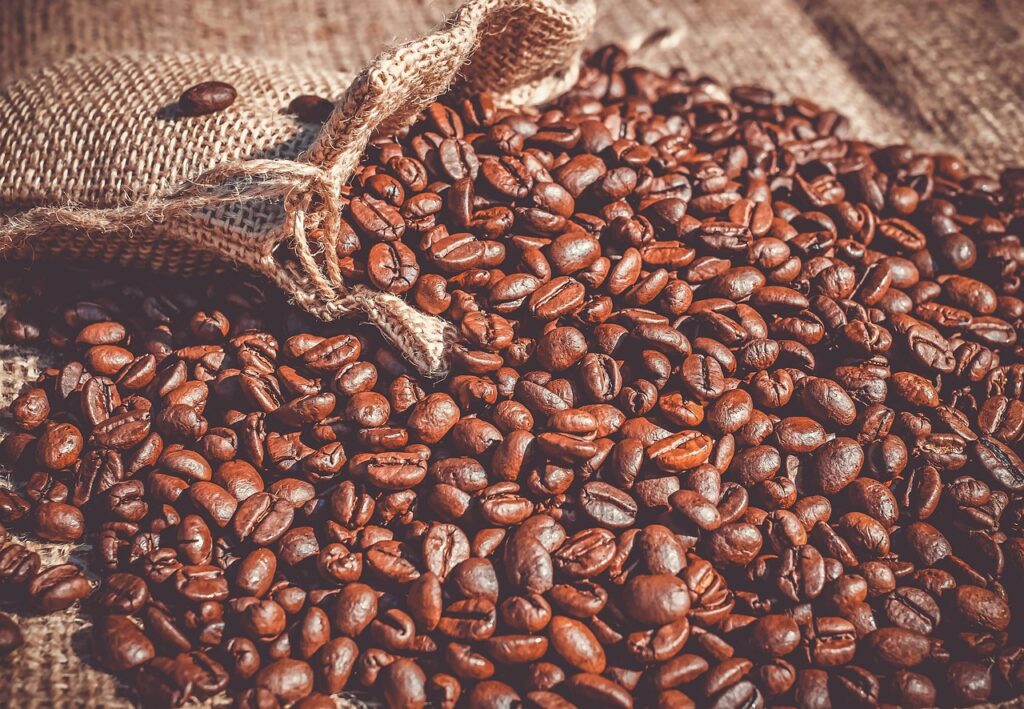
Few things excite specialty coffee fans quite like comparing the nuanced profiles of micro-lot coffees. Tucked inside the ongoing flavor debate is the question of natural vs washed coffee, each delivering a bold, memorable taste journey to the cup.
For many, micro-lots represent the best of specialty coffee: small harvests, meticulous processing, and a serious dedication to flavor. These tiny batches let every bean’s origin shine, setting the stage for natural vs washed coffee to reveal their differences with new clarity.
Whether you’re hunting rich fruit notes or a clean, crisp finish, understanding natural vs washed coffee from micro-lots adds depth—and delight—to each brew. This guide dives deep, breaking down everything you need to taste and choose with confidence.
Tasting the Distinction: Identifying Natural and Washed Coffee Profiles
Grasping the major sensory signals of natural vs washed coffee supercharges your ability to pick out flavors in the cup and articulate why they appeal to you. Your tongue becomes the judge, jury, and explorer.
Naturals typically explode with berry, tropical fruit, and big sweetness, while washed counterparts prize clarity, brightness, and gentle floral complexity. Micro-lots accentuate these core signatures, offering vibrant yet distinct options for every palate.
Telltale Signs: Recognizing Naturals on the First Sip
With natural micro-lots, expect punchy, wine-like intensity and an unmistakable fruit punch aroma right as you grind the beans. These cups linger on the tongue—think blueberry jam, fermenty funk, or overripe plum. It’s a wild, sometimes surprising ride.
Pulling your nose to the cup, you’ll detect dense notes that seem almost juicy or syrupy. Tasters might describe them as strawberry, mango, or dried cherry. The finish sticks around—an echo of fruit sweetness, sometimes edged with a hint of earthiness.
If you’re craving vibrancy and aren’t seeking a subdued drinking experience, a natural micro-lot consistently lands as a standout. Many home baristas try aeropressing their first natural and exclaim, “Wow, this is truly something else!”
Washing In Clarity: Washed Micro-Lots in Focus
Washed micro-lots usher in a crisp, tea-like brightness that’s hard to mistake. Picture biting into a fresh green apple: tart, clean, and supremely refreshing. Pleasant acidity and light floral aromas define the beginning, middle, and end of each sip.
Expect notes like jasmine, citrus peel, or mild stone fruit over a base of sweet, malty grain. These coffees rarely feel heavy; instead, they reward careful sipping as each subtle flavor emerges with each cooling degree of temperature.
Brew a washed micro-lot before a morning meeting for a focused, elegant cup. If someone says, “This tastes sparkling clean and so smooth,” you’re likely enjoying a well-processed washed coffee from a quality micro-lot.
| Attribute | Natural Micro-Lot | Washed Micro-Lot | What to Taste For Next |
|---|---|---|---|
| Typical Aroma | Jammy, intense, fruity | Floral, crisp, citrusy | Focus on the first scent after grinding |
| Body | Full, creamy, syrupy | Light, silky, tea-like | Sip for mouthfeel before sugar or milk |
| Acidity | Wine-like, mellow, rounded | Tart, lively, elevated | Let the coffee cool and taste again |
| Aftertaste | Fruit-forward, sometimes earthy | Crisp, lingering, clean | Swallow, wait ten seconds, then note the finish |
| Common Descriptor | “Punchy”, “wild”, “rich” | “Elegant”, “refined”, “bright” | Write down exact words you’d use for each |
Processing Micro-Lot Coffees: Practical Steps for At-Home Tasting
By breaking down natural vs washed coffee into observable characteristics, tasting at home empowers you to develop your palate, explain preferences, and get more value from every brew. Here’s a step-by-step micro-lot guide.
Prepare two micro-lot coffees—one natural, one washed—using the same device and grind size. This side-by-side approach makes contrasts pop and turns routine tasting into a rewarding session for curious coffee lovers.
Planning Your Personal Micro-Lot Tasting Session
Gather a notebook, two separate bags of micro-lot beans (natural and washed), a burr grinder, hot filtered water, and your usual brewing gear. Label mugs to avoid confusion and create a quiet space for true flavor focus.
- Grind beans right before brewing to capture aroma intensity—essential for noticing that juicy vs. floral distinction central to natural vs washed coffee.
- Brew both coffees at the same temperature and ratio for fair comparison; note extraction yields on paper.
- Pour both into warmed cups, sniff and sip them as they cool down. Write specific words for scent, body, and aftertaste.
- Drink water or nibble plain crackers between samples to reset your palate, ensuring a genuine impression each time.
- Discuss your notes with a friend or fellow enthusiast; explaining differences out loud practically guarantees deeper understanding and memory retention.
This sequential approach—focused, methodical, and a bit playful—locks in the unique signatures each process brings. Your next micro-lot session will build even more confidence and insight.
Creating a Repeatable Comparison Ritual
Documenting each natural vs washed coffee side-by-side using a flavor wheel, tally marks for mouthfeel, and a final “one word” summary per cup brings structure and fun. Over time, this turns casual drinking into a real journey of discovery.
- Use a basic coffee flavor wheel printout to categorize aromas, acidity, and sweetness; highlight overlaps and contrasts as you sip.
- Record mouthfeel with tally marks: one for light, two for creamy, three for “coats the mouth.”
- Assign a one-word verdict to each cup, then discuss what led you there; this anchors memories with concrete language.
- Catalog your results in a running list or digital note; over weeks, patterns emerge and knowledge compounds.
- Share outcomes with your local coffee group, using your notes to spark good-natured debate and new tasting ideas every month.
This process transforms your appreciation for micro-lots—from casual enjoyment to a skilled, curiosity-powered habit.
Flavor Journeys: Everyday Analogies for Process Impact
Think of washed micro-lots as a clear spring morning, the air bright and focused—each note distinct and refreshing. Naturals, by contrast, evoke a summer farmer’s market, bustling with fruit intensity and unexpected sweetness.
In practice, brewing a washed micro-lot for guests who say “I love black tea and lemony drinks” results in visible delight: eyes light up, and they linger for a second cup. Meanwhile, naturals make friends exclaim “It’s like eating fresh blueberries!” with a skeptical smile that quickly turns into enthusiasm after a few sips.
Translating Process into Palate: Scripts for Taste Tests
A good script when guiding friends through natural vs washed coffee: “Notice the first scent you pick up; now slurp gently and let it roll. Does one feel juicier or cleaner?” This level of engagement sharpens memory and helps decode preference.
After sipping natural micro-lots, listeners usually comment on syrupy body or intense berry notes, and their eyebrows raise in surprise at the long fruity finish. The immediate feedback reinforces why these differences matter beyond the tasting table.
For washed, the focus shifts to describing a “zesty sparkle,” “delicate flower,” or “fresh fruit peel.” Trading words quickly builds a shared vocabulary, empowering everyone to describe future cups more vividly and choose with intention.
Anchoring Experiences with Everyday Actions
Replicating the process-to-flavor connection is as easy as making oatmeal or stirring vinaigrette—simple steps done with focus yield amplified results. For coffee, treat each new micro-lot like an ingredient, honoring its unique prep needs for best-in-cup payoff.
Try preparing the same micro-lot as both pour-over and French press to experience process impact firsthand. Record your impressions in a kitchen journal along with any analogies that make sense, like “this cup pops like a ripe peach.”
Next time you describe coffee at brunch or a tasting, use relatable phrases from your notes—friends will appreciate the clarity and you’ll remember which process fits each moment, from bright mornings to fruit-forward afternoon pick-me-ups.
Choosing Micro-Lot Process to Suit the Brew and Mood
Selecting natural vs washed coffee for micro-lots means matching your brew style, daily rhythm, or even weather to your cup. This proactive approach rewards both the seasoned hobbyist and the curious first-timer with richer experiences and fewer disappointments.
If you like experimenting, choose naturals for casual weekend gatherings or slow afternoons, and washed for crisp weekday mornings or office-friendly cups. Adapting by context elevates even routine coffee moments into special rituals.
Checklist: Fitting the Process to Your Situation
• For expressive drinks, use naturals in manual brewing (pour-over, aeropress) to feature boldness.
• When serving groups or as iced coffee, opt for washed for crowd-pleasing clarity.
• If you’re buying for espresso, check if your machine benefits from higher body—naturals shine here.
• For black coffee drinkers, alternate washed and natural micro-lots every week to track evolving flavor preferences.
• If uncertain, ask, “Am I in the mood for big berry flavors or a floral, crisp finish today?” and choose accordingly.
Decoding Flavor Notes: Building a Reference Tasting Library
To keep growing as a micro-lot enthusiast, build a living record of natural vs washed coffee, cataloging dominant, secondary, and ‘surprise’ flavors over time. This habit empowers you to recognize, predict, and share the sensory magic within every new bag.
In practice, use structured forms or simple comparison tables at home to note fruit, floral, and aftertaste impressions. Reviewing these logs helps clarify why each micro-lot process has resonated—or not—across changing moods and seasons.
Sample Micro-Lot Tasting Table
| Date | Micro-Lot Name | Process | Key Flavors |
|---|---|---|---|
| May 1 | La Finca Rosa | Natural | Strawberry, cocoa, wine |
| May 7 | Blue Heights | Washed | Jasmine, lemon zest, malt |
| May 15 | Sunrise Lot | Natural | Peach, honey, vanilla |
| May 22 | Mist Valley | Washed | Green apple, floral, crisp |
| May 31 | Belmont Edition | Natural | Blueberry, caramel, earth |
Over time, referencing this kind of log lets you spot trends, deepen tasting intuition, and predict which natural vs washed coffee will match your next craving or special moment with accuracy and joy.
Natural vs Washed Micro-Lots: Key Takeaways and Everyday Steps
Natural vs washed coffee micro-lots bring out personality, place, and process in every cup. Natural micro-lots pack rich fruit and layered complexity; washed versions deliver refreshing brightness and delicate florals. Each one presents a fresh opportunity for discovery.
Coffee isn’t just a caffeine fix—it’s a daily invitation to explore, compare, and savor. By keeping a simple tasting journal or brewing for friends, you turn ordinary months into learning journeys within the world of specialty micro-lots.
The next time you choose between natural vs washed coffee, trust your palate, your notes, and your curiosity. Each micro-lot becomes more than just a drink—it’s an experience to enjoy and share.
Frequently Asked Questions
What is a micro-lot coffee, and why is it special?
Micro-lot coffee refers to beans harvested from small, traceable plots—typically no more than a few hundred pounds per batch. These coffees receive extra care in growing and processing, showcasing distinct flavor profiles that highlight unique characteristics of the coffee’s origin.
Are natural micro-lots always fruitier than washed micro-lots?
Natural micro-lots usually deliver more intense fruit flavors. However, some washed micro-lots grown at high altitudes or with rare varieties can also feature lively fruit notes, balanced by clarity and brightness. Keep tasting new batches to notice these differences firsthand.
How can I reliably tell natural vs washed coffee apart by taste alone?
Look for a heavier, jammy texture and deep fruit aromas in naturals, while washed coffees usually taste clean, crisp, and floral. Recording impressions side by side makes the differences more obvious; practice comparing with friends or by using a tasting wheel at home.
Are some brewing methods better for naturals or washed micro-lots?
Methods like pour-over and Aeropress highlight naturals’ lush body and washed coffees’ clarity. If making espresso, try naturals for thicker, syrupy shots and washed for sharper, brighter results. Match the process to both your beans and personal flavor preferences.
What’s the best way to store micro-lot beans to preserve their unique flavors?
Store micro-lot beans in an airtight container, away from light, heat, and moisture. Buy small amounts at a time to ensure you finish each bag while freshness is at its peak, maximizing the enjoyment of both natural and washed profiles with every brew.