Few experiences match the first sip of richly textured coffee, shimmering with nitro foam, crafted from exclusive micro-lot beans. That sense of anticipation is exactly what draws devoted coffee explorers toward this unique nitro cold brew. As specialty cafés and home enthusiasts focus more on rare micro-lots, the pairing with nitro infusion is impossible to ignore.
Bringing these two worlds together has changed how specialty beans shine in cold beverages. Nitro cold brew not only chills your senses—it turns hand-picked micro-lot beans into a showcase of flavor, aroma, and velvety mouthfeel. For anyone eager to appreciate coffee at its flavorful best, the combination offers more than refreshment.
This article will guide you through actionable methods for brewing, tasting, and savoring nitro cold brew with rare micro-lot beans. Expect practical steps, clear rules, real-life scenarios, and comparisons to help you get the most out of every cup of this specialty treat.
Setting Up for Success with Micro-Lot Nitro Brewing
Micro-lot nitro cold brew delivers clarity and complexity when you start with the right equipment and beans. Preparing your space and supplies ensures every nitro coffee reveals the signature notes from small-batch origins.
Begin by selecting a suitable grinder, brewing vessel, and nitro system. Using fresh, specialty micro-lot beans, ground precisely, lets each brew unlock vibrant aromatics and nuanced flavors. Consistency at this stage leads to reliable, rewarding nitro results.
Choosing Gear That Highlights Micro-Lot Nuances
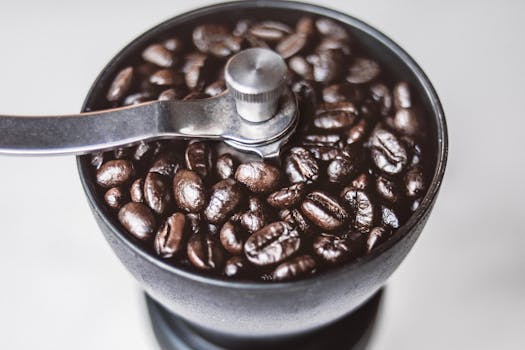
Precision burr grinders provide uniform particle size, which is crucial when you want delicate micro-lot flavors to come through. Avoid using blade grinders, as their inconsistency muddies flavors and mutes the best characteristics of premium beans, especially in nitro cold brew preparations.
Many home brewers use a Toddy or Hario immersion system to keep micro-lot extraction even. These brewers allow for higher control over variables like time and agitation, which is ideal when showcasing rare or experimental micro-lot coffee profiles and ensuring they translate to the nitro infusion.
Nitro infusers, such as pressurized kegs or countertop siphons, let you add nitrogen for that classic creamy texture. Home users seeking the barista experience might say, “I want the cascading effect just like the café,” and achieve it by selecting a system rated for cold brew and nitrogen use.
Storing and Handling Rare Beans Before Brewing
Micro-lot beans stay freshest when stored in airtight containers, away from sunlight and heat. Many specialty coffee fans keep beans in canisters with CO2 valves to retain volatile aromatics before grinding for their next batch of nitro cold brew.
Rotate through limited micro-lot stock quickly, as peak flavor is fleeting. Mark a calendar, noting roasting dates, so you always brew nitro cold brew within three weeks—a favorite tactic for reliably bright, expressive coffee from each micro-lot bag.
Weigh out your beans for each batch and resist the urge to pre-grind. Grinding right before brewing ensures those honey florals, berries, or cocoa notes aren’t lost to the air. All these efforts layer up to make nitro cold brew that’s unmistakably special, even before nitro’s thick microfoam enters the glass.
| Step | Recommended Tool | Best Practice | Takeaway Action |
|---|---|---|---|
| Grinding | Burr Grinder | Grind immediately before brewing | Prep just before extraction for max freshness |
| Brewing Vessel | Immersion Brewer | Steep 12-18 hours in fridge | Set an alarm to avoid over-extraction |
| Nitro Infusion | Keg or Siphon | Chill prior to adding nitrogen | Infuse once cold and degassed |
| Water Quality | Filtered Water | Use soft, mineral-balanced water | Test TDS level for improved extraction |
| Serving | Cooled Glass | Pour hard for cascading foam | Watch for visual creaminess as sign |
Elevating Taste: Extraction and Infusion Rules
Nitro cold brew’s appeal ramps up when extraction rules are tailored to micro-lot characteristics. Always use a coffee-to-water ratio that matches bean density, and tweak steep time if tasting reveals unwanted flavors or muddiness.
Measure, record, and refine. Noting down details lets you repeat standout results for favorite light-roasted micro-lots or quickly adjust if your nitro brew skews bitter. Rely on consistency for repeatably delicious nitro results, cup after cup.
Exploring Extraction Variables and Their Flavor Impact
Changing grind size or brew time alters your nitro cold brew with micro-lot beans. Use a medium-coarse grind for clarity, and extend or shorten brewing by thirty minutes—a small tweak can clarify tropical, sparkling notes or erase astringency.
- Dial in grind size for clarity: Coarser grinds provide cleaner, tea-like brews; finer grinds offer bigger body but risk muddiness if not filtered precisely afterward.
- Time your steep precisely: For washed Ethiopian lots, 14 hours preserves florals; natural-processed micro-lots may shine at 16 hours for deeper sweetness.
- Tweak ratio to reveal sweetness: Use 1:5 for denser nano-lots; try 1:8 for more aromatic, lighter roasts that risk dilution.
- Use filtered, mineral-tuned water: Specialty flavors emerge best with soft water at about 80-120 ppm TDS; hard water can flatten nuance.
- Consistent agitation helps extraction: Stir gently halfway through for even saturation, avoiding bitterness in delicate micro-lots especially when making nitro cold brew.
Make adjustments in small increments, then taste again after each change to identify improvements for future batches of nitro cold brew.
Infusion Best Practices for Balanced Nitro Texture
Cool your cold brew fully before nitro infusion. Warm coffee won’t absorb nitrogen as efficiently, which matters for thick, cascading foam that showcases silky mouthfeel unique to nitro cold brew paired with micro-lot coffee.
- Track chilling time in fridge: Let brewed coffee cool for at least four hours so nitrogen binds well, producing a firmer foam cap in the glass upon pouring.
- Infuse at correct pressure: Set nitro canister to between 30–40 psi for home servings; higher pressures risk excessive fizziness, muting subtle micro-lot details.
- Pour at a sharp angle into pre-chilled glassware for maximum cascading effect, which emphasizes texture and amplifies aroma release.
- Monitor sound and sight cues: A soft hiss signals proper infusion; rapid, turbulent pour layers crema smoothly, confirming your cold brew is ready to serve.
- Serve immediately: Nitro’s creamy effect fades if left standing, so prepare servings just before drinking for peak experience every time.
Refine infusion steps with each batch, observing which adjustments yield the best combination of flavor detail, aromatics, and velvet-like nitro texture from your chosen micro-lot beans.
Comparing Nitro Cold Brew from Micro-Lot vs Standard Beans
Choosing micro-lot beans over standard blends changes nitro cold brew’s impact. Instead of muted, one-note profiles, you’ll notice floral, fruit, and chocolate specifics sing out with nitrogen’s help. The entire drinking experience evolves from ordinary to extraordinary with each batch.
Specialty micro-lot cold brews offer distinctive flavor arcs and heavier aromatics. If someone pours a cup from ordinary supermarket beans and one from a meticulously sourced micro-lot, the difference is obvious—both in the first scent and the lingering aftertaste.
Contrasting Flavor Structures in the Glass
A person brewing with mass-market beans may remark, “It tastes cool and smooth”, but lacks further descriptors. By contrast, a micro-lot nitro cold brew yields, “Wow, there’s jammy notes and a honeyed finish,” thanks to unique origin characteristics interacting with the nitrogen infusion.
On the nose, micro-lot cold brews present a wider bouquet. Tasters might swirl their glass, discovering juicy berries, vanilla, citrus, or even a delicate floral aroma—sensations typically absent from non-specialty options regardless of method.
For persistent mouthfeel, nitro micro-lot brew stands alone. Velvety, lingering textures play back each flavor note in sequence, while mass blends tend to fade quickly and can turn flat or watery, particularly after pouring.
Aroma and Aftertaste: What Sets Micro-Lots Apart
When a friend asks, “Why is your coffee so perfumed even when cold?”, explain that micro-lots retain higher concentrations of volatile aromatics. Infusing those compounds with nitrogen locks them in, intensifying each sip well past the surface effects.
The finish on a good micro-lot nitro feels layered, almost wine-like. Tasting berry, caramel, or sweet spice as the foam subsides signals a well-sourced and expertly infused coffee. Each lingering flavor gives another reason to pick micro-lots for nitro cold brew.
For clarity and complexity, choose micro-lot beans, document your process, and savor extraordinary flavors with each nitro batch—because specialty origin details matter in every final sip and foam cap that forms in your glass.
The Final Sip: Savoring, Sharing, and Pairing Nitro Micro-Lot Brews
Drinking nitro cold brew made from specialty micro-lot beans becomes a moment to savor and share. For tasting, choose a glass with a flared rim; this shape directs aromatics toward your nose, inviting deeper engagement with each pour.
When sharing with friends or guests, introduce the micro-lot’s origin and notable flavor notes. This frames the tasting as a guided experience, similar to a wine pairing or craft beer flight. It adds context and deepens appreciation for nitro cold brew’s unique qualities.
- Pour into flared glasses to enhance aromatic release.
- Document tasting notes in a journal to track preferences.
- Serve nitro cold brew with simple, neutral pairings such as shortbread, letting specialty flavors shine.
- Invite guests to describe flavors or aromas they detect.
- Share small-batch brews in tasting flights to compare micro-lot profiles directly.
Use thoughtful pairings—think citrus-accented sweets or salted nuts—for contrast, not overwhelm. These mindful combinations allow the specialty flavors in nitro cold brew to take center stage and build memorable drinking rituals.
Crafting Nitro at Home: Step-by-Step Scenario
Applying real-life steps ensures you consistently get stellar nitro cold brew results at home. Picture someone saying, “I want a bright, clean Guatemala micro-lot on nitro—what’s the moves?” The path starts with five concrete actions.
- Measure 60 grams of freshly roasted, light-filter micro-lot beans and grind just before brewing to a medium-coarse consistency for clarity and extraction.
- Combine with 500ml of filtered water in a chilled immersion brewer, stirring gently and steeping in the fridge for 14 hours to capture fruity bloom and floral complexity.
- Filter into a cleaned vessel, fully chill the concentrate, and load into a nitro keg charged at 30–35 psi for ideal texture with creamy, persistent foam.
- Pour into slightly angled, pre-chilled glassware to witness a robust cascade. Immediately smell, swirl, and sip to log berry, honey, or citrus impressions.
- Share tastings with a friend, using a notepad to note flavor revelations or body-lingering effects unique to the micro-lot and nitrogen treatment.
This simple routine guarantees every batch is fragrant, smooth, and packed with character—showing anyone they can highlight micro-lot nuances with home nitro cold brew in just one kitchen session.
Frequently Asked Questions
Which micro-lot beans are best for nitro cold brew at home?
Choose lighter-roasted African and Latin American micro-lots, such as Ethiopia Yirgacheffe or Costa Rica Honey Process. These coffees offer pronounced fruit, floral, or sweet spice flavors that the nitro infusion preserves and amplifies in the glass. Experiment seasonally for variety.
What water type works best for brewing specialty nitro cold brew?
Install a filter system that delivers soft water (TDS around 80–120 ppm), free of heavy chlorine or high calcium. Balanced minerals help specialty micro-lot flavors pop without muting nuanced origin notes. Test with a meter for reliability.
How long should I infuse nitrogen for optimal texture?
Four to six hours in a fridge-bound mini keg or siphon allows full absorption. Pour immediately after for a thick, cascading foam with maximum retention of micro-lot aromatics and body. Avoid storing infused coffee for extended periods to preserve texture.
Can I use pre-ground coffee for nitro cold brew?
Fresh grinding is necessary for full flavor. Pre-ground beans lose volatile aromatics critical to specialty coffee. The effort to grind immediately pays off with pronounced, vibrant flavors and smoother nitro foam, especially for delicate or fruit-forward micro-lots every time.
What’s the shelf life of nitro-infused micro-lot cold brew?
Freshness peaks immediately after nitro infusion. Store up to 24 hours in a sealed keg or growler in the fridge, but flavors and texture start declining rapidly after that window. Enjoy within the first day for the most compelling experience.