Chasing the nuanced flavors in specialty coffee micro-lots means looking beyond the beans. The brewing method you pick can reveal distinct fruity layers or mute them entirely. As more roasters source micro-lots with vibrant fruit notes, the immersion vs percolation debate gains new ground for home baristas.
Specialty coffee micro-lots stand out due to their complexity and limited yield. The challenge is making the most of their fruit-driven profiles, especially when choosing immersion or percolation brewing. This choice fundamentally changes your daily cup, even more than water or grind.
If you’ve wondered what brewing method can highlight the wild berry, stone fruit, or citrus elements in your latest micro-lot, explore this guide. You’ll learn actionable differences, gain hands-on tips, and see practical scenarios for every method.
Shaping Micro-Lot Flavor: The Key Roles of Immersion and Percolation
Every cup from a micro-lot tells its own story. Deciding on immersion vs percolation brewing directly determines which fruity qualities take center stage and which subtle notes stay hidden.
Immersion methods such as French press or cupping let coffee grounds soak completely, creating a thick, lush flavor experience. By contrast, percolation methods like pour-over or drip highlight clarity, with clean fruit tones floating above the cup’s structure.
Extracting Balance through Time Control
Adjusting steep time is the first tool to control fruit intensity, especially with immersion. Try a three-minute steep for light fruit, or go five minutes for syrupy results. As you experiment, note how the fruit flavors shift.
In percolation, focus shifts to pour rate. Slow, consistent pouring increases extraction, boosting the tang of stone fruit or citrus. Pour too fast, and delicate berry notes might vanish before they’re noticed.
Experience proves consistency unlocks great results. For immersion, use a timer, gently stir the grounds, and compare successive brews. For percolation, maintain steady spiral pours and avoid breaking the coffee bed.
The Impact of Filter Mediums
Paper filters used in percolation brewing can absorb coffee oils that trap fruit aromatics. The resulting cup feels cleaner, highlighting distinct brightness from micro-lot beans. Metal mesh filters in immersion let those oils and fruit notes linger.
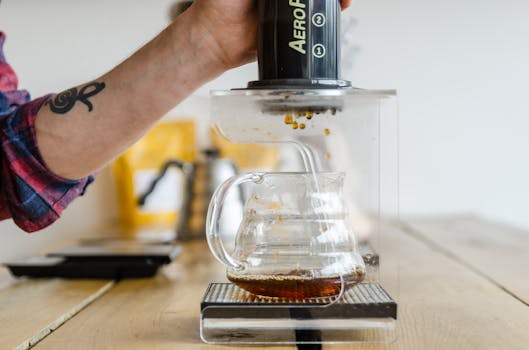
Screens and mesh—like those in AeroPress or Clever Dripper—bridge the gap. You’ll still get some clarity, but with a heavier palate feel, similar to ripe peaches or plums.
Home brewers should choose filters intentionally. If fruit clarity matters most, opt for thick paper. For an immersive silkiness, select finer mesh or bypass the filter entirely when possible.
| Method | Fruit Highlight | Typical Body | Actionable Takeaway |
|---|---|---|---|
| French Press (Immersion) | Deep, jammy berries | Full, heavy | Steep longer for lush fruit, use coarse grind for clarity |
| Pour-Over (Percolation) | Bright citrus, tart apple | Light, crisp | Try slower pours to boost sweet fruit, use medium grind |
| AeroPress (Hybrid) | Layered stone fruit | Medium to rich | Play with plunge speed, paper vs metal filters |
| Cupping (Immersion) | Intense, raw fruit | Medium, unfiltered | Target 4 min steep, no filter preserves all flavors |
| Auto Drip (Percolation) | Balanced, subtle fruit | Medium, balanced | Stick to medium grind, use fresh filters for clarity |
Fine-Tuning Your Micro-Lot Brew Method for Fruit Expression
Dialing in fruity notes requires thoughtful adjustments to highlight the best in immersion vs percolation techniques. Let’s break down actionable changes that refine fruity profiles in specialty micro-lots.
Always grind right before brewing. Fresh grinding accentuates both berry juiciness in immersion and citrus highlights for percolation methods, letting micro-lot coffee shine in each style.
Optimize Water Temperature for Specific Fruity Outcomes
Brews just off the boil—roughly 203 degrees Fahrenheit—release more tropical fruit notes from Ethiopian micro-lots by dissolving maximum compounds. Cooler water (around 195°F) brings out crisp apple or pear, preferred for catuai or geisha beans.
- Grind coarser for French press to let subtle red fruit notes linger and avoid muddiness that masks clarity.
- Use a pulse pour for V60 to separate acidity, which elevates lemon-lime high notes in washed micro-lots.
- Skip pre-infusion with Clever Dripper if you want fuller, rounded berries—just pour and cap to keep everything integrated.
- Choose thicker filters on Chemex for candied orange flavors, which transparency highlights better than mesh or thin paper filters.
- Set a timer for cupping to four minutes exactly, ensuring raw fruit flavors from anaerobic experiments remain punchy but not bitter.
Daily practice builds pattern recognition. Tracking these approaches for every micro-lot helps lock in the combinations that illuminate fruit best in immersion vs percolation experiments.
The Right Agitation Technique Elevates or Dampens Fruit
Stir the French press gently once, right after the water hits the grounds, to avoid over-extraction that turns cherry-sweetness bitter. Skipping the stir keeps fruit subtle but can mute complexity too.
- Agitate only after the bloom in pour-over when using percolation for bourbon varietals—fixes uneven extraction and brings out cranberry or currant.
- For Aeropress, a double-inversion swirl at 30 seconds increases sweetness—ideal for micro-lots with soft peach flavors.
- In cupping, break the crust gently if seeking crisp clarity; a rough break loses fruit aroma to the air.
- Pulse-plunge AeroPress for geisha coffees. Press in short bursts, pausing halfway, so citrus gets layered atop heavier fruit.
- Experiment with no-agitation brews in Kalita Wave for honey-processed micro-lots, allowing delicate fruit structure without muddling flavors.
Track agitation adjustments with a simple log so you can jump straight to your best immersion vs percolation routine for each bean.
Tasting Micro-Lot Coffees: Recognizing Real-World Results
Following immersion vs percolation guidelines delivers repeatable, observable differences. Expect immersion to produce fruit qualities that linger thick on the tongue, while percolation lifts zingy, high acid fruit into sharper focus.
Baristas use scripted tasting notes after standardized preparation: “Big strawberry jam, creamy body” follows a five-minute French press; “Lime peel, sparkling acidity, light” comes from slow-pour V60 on a washed SL28 micro-lot.
Tasting Session: What to Watch and Chart
During cupping, write out all fruit descriptors immediately. Use a simple chart to compare body and fruit clarity, noting which method and settings brought out specific flavors in the same batch of micro-lot beans.
Make the most of every sip by keeping your palate clean—sip water between brews and keep notes about aftertaste, not just initial fruit impact.
If results seem mixed or muted, revisit your grind size or pour rate. Even a slight shift can turn a muddled plum into a punchy cherry or a sharp grapefruit.
Scenario: A Home Brewer’s Flight of Panama Geishas
Using immersion, “I got strawberry preserves and buttery mango.” With percolation, “The cup sang with lime, red apple, and white peach brightness.”
Breaking it down by brew log, you’d note immersion offered richness, while percolation let the high notes soar, touching every sip with cool clarity.
Replicating the experience means repeating exact steps—timing, grind, and agitation—so you can share recipes with friends and community. This makes home brewing as rigorous as a professional tasting lab.
Conclusion: Choosing the Right Method for Fruity Micro-Lots
Each brewing method tells a story when paired with a fruit-forward micro-lot. Pinpointing immersion vs percolation as your tool sharpens what makes every cup special—body, clarity, or balance.
Whether you crave bold, lingering berry notes or a glass-like citrus clarity, dialing in grind, filter, and agitation refines the cup. Practice turns these micro-adjustments into your brewing intuition specifically for micro-lots.
Your micro-lot journey deserves the best spotlight. Work through the techniques in this guide to let every rare, limited-edition bean shine in its brightest, juiciest version—brew after brew.
Frequently Asked Questions
What is the biggest difference between immersion vs percolation for micro-lots?
Immersion brewing soaks the grounds for a rich, integrated cup. Percolation passes water through grounds, highlighting crisp, separate fruit notes ideal for high-acid micro-lots.
Which fruity notes does immersion brewing enhance most in specialty micro-lots?
Immersion best enhances jammy, ripe, or syrupy fruit qualities like strawberry or mango. It’s excellent for micro-lots with deep, sweet, or tropical flavor profiles.
How can I fine-tune percolation brewing for more fruit flavor?
Use slower pours and thinner filters to ramp up fruit clarity. Maintain consistent pouring to avoid uneven extraction and let citrus or apple notes stand out in washed micro-lots.
Does grind size really change the fruit intensity in micro-lot coffee?
Yes. Finer grinds extract more fruit but risk muddiness in immersion. Medium grind in percolation allows complex acidity and fruit to remain distinct and clean, maximizing a micro-lot’s character.
Should I always stick to one method for fruity coffee?
No. Rotate between immersion vs percolation to see which brings out the best in each micro-lot. Document your findings. Different beans thrive under different brewing conditions.