Bright, aromatic, and complex, Geisha coffees from specialty micro-lots spark curiosity from baristas and home roasters alike. The adventure begins with finding ideal geisha roast profiles for these singular beans, coaxing out their celebrated floral and fruit notes while maintaining structure.
Roast profile decisions matter more than with typical beans—everything from charge temperature to total roast time can shift the cup’s result dramatically. Geisha’s vibrant flavors demand precise adjustments, especially when working in small-batch, micro-lot contexts where every variable is amplified.
This guide shares practical approaches to geisha roast profiles, actionable tips, and contrasting strategies, all tailored for micro-lot specialty coffee lovers. Discover tested steps, avoidable pitfalls, and new routines to uncover your favorite Geisha expression.
Assessing Geisha Micro-Lot Potential One Batch at a Time
Each micro-lot Geisha requires a focused roast approach, starting with a review of key sensory traits and potential outcomes. Understanding how different geisha roast profiles alter the flavor map sets the stage for confident roasting and tasting.
By observing subtle cues—bean size, moisture content, and density—you can tailor start temperatures and heat application to maximize clarity and nuance.
Spotting Small-Batch Nuances in Green Geisha Lots
Picking up a handful of green Geisha, notice the slightly elongated bean shape and uniform color. This physical inspection hints at even moisture distribution and prime conditions for even roasting—both essential in designing effective geisha roast profiles for rare micro-lots.
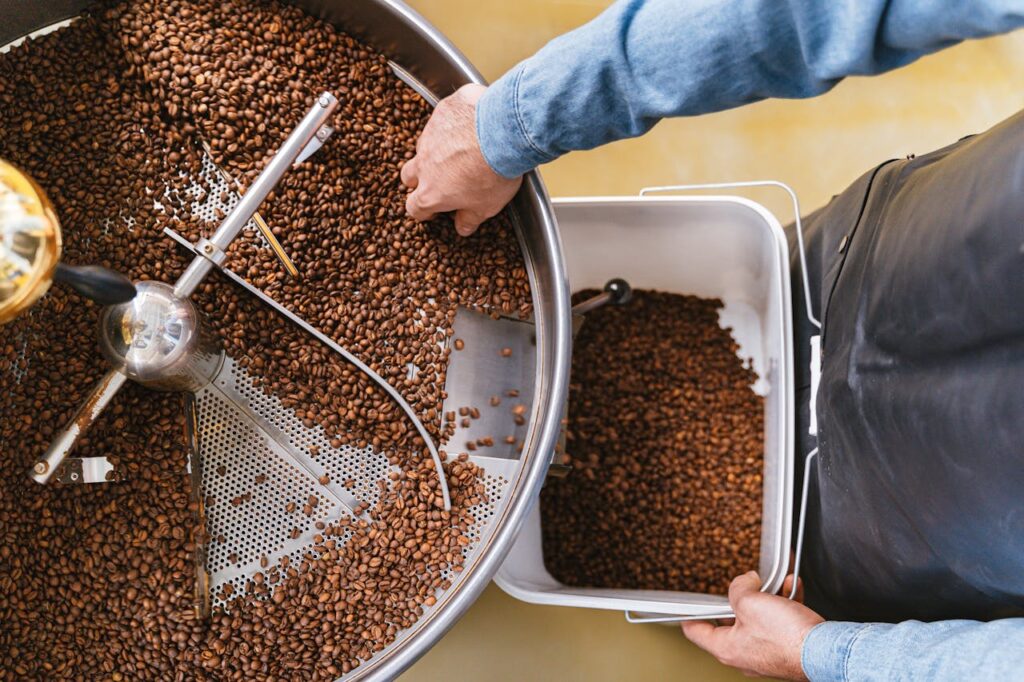
In small lots, these subtle differences shape both development time and flavor structure. Handle beans gently and avoid crowding the drum, as tight spaces can mute acidity, making your geisha roast profiles lose their sparkle.
The sensory payoff shows up in brewed cups. Bean assessment isn’t just routine—it’s the key to locking in peak aromatics in every micro-lot batch. Trust what you see and smell before heat ever touches the beans, and log your findings with each roast.
Mapping Flavor Trajectories at the Cupping Table
Cupping gives you an honest look at how a geisha roast profile worked. Pour water just off boil, inhale the wet aroma, and wait four minutes before breaking the crust. With specialty Geisha, floral aromatics and silky acidity signal well-executed stages.
Red fruits or bergamot on the nose? You likely managed the roast’s development window just right. If bitterness is obvious, reassess first crack timing or try slightly less heat after color change in future micro-lot batches.
Repeat cupping on several batches. Note the flavor arc for each geisha roast profile. Adjust any uneven notes by tweaking specific stages in your next roast log.
| Profile | Development % | Flavor Focus | Best for Brew Methods |
|---|---|---|---|
| Light City Roast | 13-14% | Floral, Citrus, Tea-like | Pour-Over, Siphon |
| Medium Roast | 14-16% | Stone Fruit, Honey, Body | Filter, Chemex |
| Short Agtron | 11-12% | High Acidity, Lily Notes | Aeropress, V60 |
| Extended Maillard | 16-18% | Caramel, Spice, Smooth | Espresso, Immersion |
| Hybrid Fast-Light | 10-13% | Top-Note Florality | Kalita Wave, Iced Pour |
Choosing the Right Heat Application for Delicate Micro-Lots
Precision in heat application transforms delicate geisha micro-lots from bland to brilliant. The right rule? Gentle, even heat through the Maillard stage, with gradual increases post-first crack, preserves floral intensity without introducing harshness.
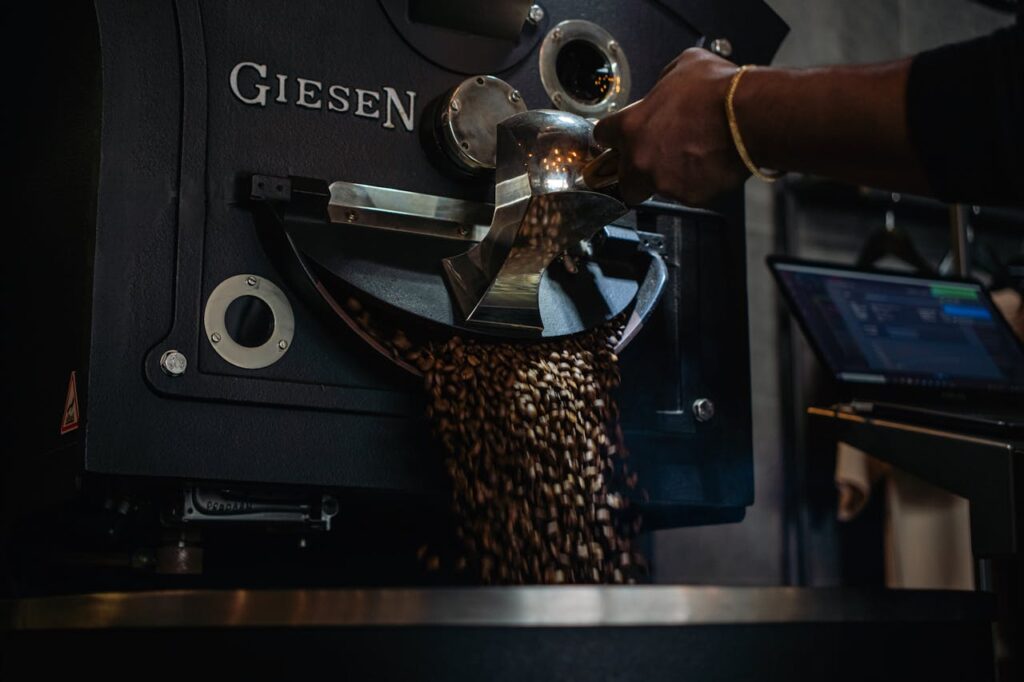
Keep airflow steady, especially during the final minutes, to carry away silverskin and preserve clarity. Listen for “first crack”—that’s your cue to manage rate of rise with care in your geisha roast profiles.
Slowing the Roasting Curve Wisely
Pull back slightly on heat right as browning starts. Picture yourself steering a car, gradually easing off the gas so you don’t miss a sharp turn. This careful approach lets you stretch the caramelization window.
- Reduce charge temperature by 10 degrees for high-density greens—slows Maillard for bright, juicy notes, preserving Geisha’s jasmine or bergamot character.
- Increase airflow 30 seconds before first crack—removes bitter smoke, keeps floral aromatics crisp in delicate geisha roast profiles.
- Monitor bean color every 20 seconds after yellowing—catch underdevelopment before it affects the cup, especially in micro-lots with small batch size.
- Transition to lower heat within 30 seconds of distinct first crack—prevents scorch, enhances tactile sweetness in light geisha roast profiles.
- Always log roast milestones as you go—lets you review split-second decisions and fine-tune every micro-lot.
Consistency pays off in the cup: clean florals, sparkling acidity, structured sweetness—instead of muddled or harsh.
Fine-Tuning Heat by Sensing and Logging Changes
Smell and listen as you go: sweet hay and popping beans signal ideal progress. Make small adjustments—just 2-3 degrees at a time—then mark exact timings on your roast log.
- Smell for green-to-yellow transition—log timing to help future geisha roast profiles achieve better balance and avoid grassy flavors.
- Switch to full airflow when you notice aromatic lift—helps avoid baked flavors, crucial in micro-lot roasting.
- Pull a sample 30 seconds post-crack—spot-check color and snap a photo for your log, aiding repeatability in future geisha roast profiles.
- Let beans cool in a thin layer—preserves surface oils and nuanced aroma, maximizing every micro-lot’s value.
- Write down your impression of the final cup right after tasting—trains your palate and helps sharpen future decisions.
Attentive logging transforms micro-lot roasting: with every batch, your geisha roast profiles become clearer, and the path to your ideal flavor sharpens.
Orchestrating Roast Development Stages for Specialty Clarity
Orchestrating roast development for Geisha micro-lots means actively guiding each stage—from drying to caramelization—using a predictable sequence that delivers a focused, structured cup. The rule: Never rush or compress stages just to match a time target.
Track the dry, Maillard, and post-crack phases with care; specialty Geisha demands even progress, or the resulting cup will lose its prized clarity and floral notes.
Dialing In the Ideal Dry Phase for Geisha
The dry phase sets up sweetness and clarity. Use a moderate ramp, not a rapid climb, to promote even water release and avoid grassy undertones in your finished geisha roast profiles. Don’t skip detailed note-taking during this period.
Visually, beans should shift from green to straw-yellow—it takes 4–5 minutes depending on batch size and drum temp. Maintain open airflow to minimize musty flavors, then transition smoothly to Maillard.
Analogous to prepping fresh vegetables: rushing the blanch leads to uneven results. With every geisha roast profile, patient water loss produces better, more expressive complexity in the brew.
Lengthening the Maillard for Silky Acidity
Maillard gives Geisha its caramelized, silky base. Watch for deepening color, rich browning scents, and slow expansion. Hold the temperature steady for about 3–4 minutes to preserve citrus top notes for your geisha roast profiles.
If you see quick, dark surface spots, ease off on burner power—your batch is running too hot and sacrifices Geisha’s hallmark sweet acidity. Aim for uniform tan color before first crack activity increases.
After a long Maillard, expect elegant stone fruit and honeyed aftertaste. The brewing results reward your patience with each micro-lot batch—subtle tweaks here create real leaps in flavor on the table.
Refining Geisha Profiles by Cup, Not by Timer
Tasting is the compass for modifying geisha roast profiles in micro-lots—cup after cup tells you what to dial up or tone down for your next session. Refrain from relying solely on timers; let direct observation lead.
Each cup analysis should trace clarity, mouthfeel, and lingering aftertaste, helping you craft a roast approach that highlights your batch’s uniqueness.
Building Intuitive Cupping Practices
As you taste, jot down the first three notes that come to mind: “jasmine, white peach, lime,” for example. Use these cues to connect roast changes with results. This habit links sensory memory with practical tweaks for geisha roast profiles.
Sample with others—compare your notes and talk through what works. “I’m getting cold-press peach in this one,” someone might say. Ask how their approach contrasted with yours, and apply new ideas on your next micro-lot batch.
Over time, these micro-feedback loops tighten your process and help you spot ideal development for every Geisha lot.
Stacking Small Batch Adjustments
Duplicate a successful roast profile across several micro-lot test batches. Adjust only one variable each time—lower the finish temp by 2 degrees, or shorten Maillard by 10 seconds. Mark each cup’s sensory results for comparison.
This measured approach, unique to each micro-lot, builds up a bank of actionable knowledge for future geisha roast profiles. Eventually, you’ll master both the science and the subtlety that set Geisha apart in the specialty world.
By refining your profiles incrementally and responding to the cup, you guarantee progress with every new micro-lot batch you tackle.
Aligning Roast Profiles with Brewing Rituals
Matching your geisha roast profiles with planned brewing methods guarantees the beans’ best attributes shine in the finished cup. Plan your profile around whether you prefer V60, espresso, or full-immersion brews for each micro-lot.
Each method brings out different flavor features, so experimenting with targeted profiles can reveal vibrant contrast from the same lot.
Sequencing Roasts for Filter and Espresso
For pour-over, keep development time short—about 1:30 after first crack—preserving jasmine, lime, and crispness that Geisha is famous for. For espresso, extend Maillard stage and development, introducing caramelized sugars and richer texture.
Let’s say you taste both side-by-side. The pour-over version crackles with tartness, while the longer, espresso-focused roast is deeper and more honeyed. Adjust your next batches by splitting batch size and tailoring the curve to match your morning ritual.
Chart these contrasts in a journal. “Filter: top notes linger; espresso: round, sweet finish.” This comparison arms you to shape roast profiles that fit both your coffee and schedule.
Recognizing Extraction Cues in the Finished Cup
In each brew, temperature and grind size further modulate how your geisha roast profiles manifest. In a slow immersion, delicate floral notes lengthen and sweet intensity increases, while in a rapid brew, acidity and top notes shine.
Observe crema texture on espresso or clarity in a filter brew. Adjust grind, water temp, and brew ratio to get the best from each roast variation. “This cup’s missing clarity—tighten up the grind or use cooler water next time.”
Pair each batch to your favorite method. The perfect geisha roast profile feels tailor-made when you combine intentional roasting with targeted brewing adjustments.
Sustaining Micro-Lot Consistency Batch After Batch
Securing reliable results from specialty geisha micro-lots takes a system. Compose roast and taste logs, repeat process steps, and recalibrate with each new batch. The result: geisha roast profiles you can trust, even as the lots rotate.
Consistency shines through measured variables: environmental temp, batch weight, machine settings. Establish a “pre-roast checklist” to confirm all details match before charging beans on production or sample days.
Building Your Consistency Tool Kit
Make a checklist for every roast session: confirm green bean weight, log starting drum temperature, record humidity, and double-check airflow settings. A standard sequence helps ensure every geisha roast profile starts from a known baseline.
Post-roast, use a color meter to check hue or record a photo and description. Tasting each cup side-by-side with previous attempts shows real differences and guides correction by small increments in heat or time.
Batch size can alter airflow and heat transfer. For micro-lots, never cram more than half your roaster’s stated capacity—this respects the rarity and preserves the intended cup profile.
Creating a Sensory Feedback Loop
Keep a “roast and taste” notebook. For every batch, jot: “charged at 370, first crack at 7:10, development 1:20, cup score 88, floral-dominant.” This step helps you spot repeatable patterns unique to your geisha roast profiles.
If you notice drift—muted aroma or lacking sweetness—compare notes to spot the phase where deviations crept in. Adjust slightly in the next round, rather than making broad changes across variables.
Consistency inspires improvement and confidence. Each micro-lot roast becomes not just a task but a mini case study, deepening skills and appreciation for specialty Geisha coffees.
Conclusion: Cultivating the Finer Art of Geisha Micro-Lot Roasting
Every micro-lot Geisha, with its own distinct character, gives you a chance to sharpen geisha roast profiles through observation, careful adjustment, and side-by-side tasting. This process hones both palate and precision in the cup.
Roasting for specialty micro-lot Geisha elevates ordinary routines into creative learning sessions, where every tweak reaps visible results in aroma and flavor. Sharing, note-taking, and blind comparison make the art both rewarding and collaborative.
Consistency, attention, and joy in discovery distinguish the best geisha roast profiles. These steps help unlock each micro-lot’s potential, cupping by cupping, forging a deeper connection to the specialty coffee journey.
Frequently Asked Questions
- What’s the ideal starting temperature for roasting Geisha micro-lots?
Aim for a lower charge temperature, around 360-375°F (182-190°C), for high-density Geisha. This slows the Maillard reaction, preserving florals and acidity in smaller specialty batches. - How long is the ideal total roast time for Geisha lots?
Most geisha roast profiles benefit from a 9–12 minute total time, depending on batch size. Too fast sacrifices sweetness; too long mutes top notes. Adjust by cupping frequently. - Should I use more or less airflow compared to other varieties?
Increase airflow in the final minute before first crack to keep profiles clean and enhance floral notes. Don’t cut airflow too much or you risk baked or smoky undertones. - Is it best to develop Geisha coffees past first crack?
For most micro-lots, limit post-crack development to 1–1.5 minutes for filter roasts and up to 2 minutes for espresso. Extending risk muting signature Geisha vibrancy. - What’s a practical way to improve consistency for small-batch Geisha?
Keep detailed logs. Measure and note every variable: green bean weight, charge temperature, airflow, and milestones. Taste every batch for feedback, refining profiles by one variable at a time.