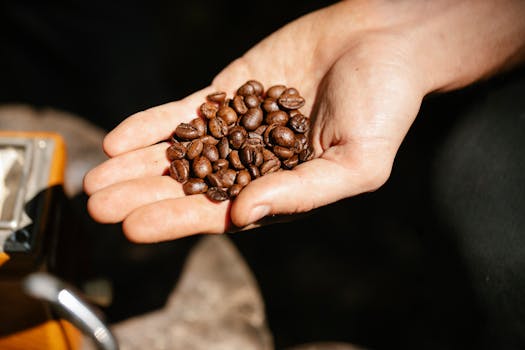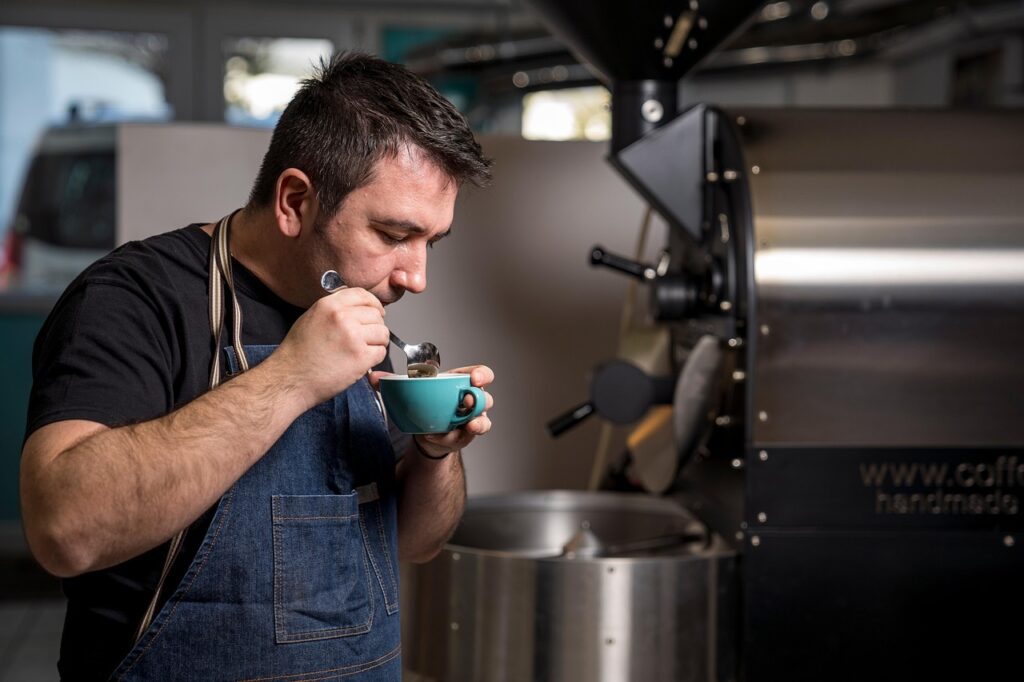
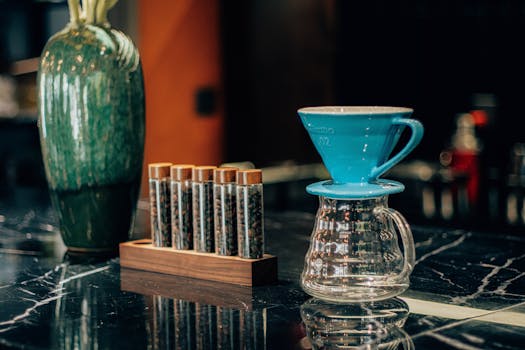
Few routines inspire curiosity like those early hours when skilled baristas set the stage for tasting specialty micro-lot coffees. Their barista rituals turn sleepy kitchens into bustling preparation stations—one movement at a time. These habits reveal how craft meets daily life.
World-class barista rituals give purpose and order to their mornings, providing both consistency and creative freedom. Specialty coffee micro-lots, harvested with intention, demand the same care and focus to perform at their best in every cup crafted.
Exploring the intricate routines of these professionals will help you blend mindful action and flavor discovery at home. Dive in to sharpen your own approach and capture world-class results in your daily coffee ritual.
Design an Environment That Supports Focused Barista Rituals
Every successful morning for micro-lot specialists starts by optimizing their physical workspace. Clean counters, organized equipment, and prepped tools ensure attention flows to extraction, not clutter. Intentionality in this setup is the first foundation of barista rituals.
Baristas rely on tactile engagement, running fingers over the portafilter or scales to confirm readiness. This micro-level inspection—their hands checking for residue or misplaced pieces—offers real-time feedback, preventing future errors and building an alert mindset.
Arrange Tools for Immediate Access
A barista places tamper, scale, and grinder close together, aligned left to right as handled. “If I can reach in one motion,” one explains, “I stay in flow without pausing.” This becomes habit over time.
Preparation starts with laying out all gear before heating any water. Distractions vanish because the tools’ positions are predictable. Imagine a pastry chef’s mise en place: precision saves mental energy for creativity.
After use, every tool returns to its place. This reset, part of barista rituals, keeps the station predictable for every session. The rule: always end as you’d like to start tomorrow.
Use a Sequence to Check Machine Readiness
Baristas follow a concise morning checklist: inspect water filters, check boiler temp, flush the group head. Words heard are practical: “Filter fresh? Light at 93? Full flush done?” They answer aloud—a habit to reinforce focus.
Testing grinder burrs for uniformity means looking and feeling. Rub grounds between fingers for texture, then run a sample shot, making notes for tweaks. This regularity saves time later and ensures no surprise grinds.
Finally, check weigh scales’ calibration. Set a known weight, verify accuracy, and adjust if off. These micro-checks make rituals repeatable, maximizing consistency in micro-lot coffee extraction.
| Station Item | Morning Check | Observable Behavior | Action to Take |
|---|---|---|---|
| Portafilter | No old grounds, dry basket | Shake/tap to confirm; inspect basket | Clean or replace if residue found |
| Grinder | Burrs aligned, no jams | Test fine grind, sense uniformity | Adjust or clean if grinds clump |
| Scale | Calibrated, zeroes properly | Set test weight, watch display | Recalibrate if measurement is off |
| Kettle | No mineral buildup, clear spout | Pour test, listen for clean flow | Descale if water runs slow |
| Cupware | Clean, pre-warmed | Quick touch for heat, visual scan | Rinse and dry as needed |
Follow a Morning Sequence to Ensure Optimal Micro-Lot Flavor
Barista rituals include systematic steps to lock in recipe consistency, especially vital for showcasing micro-lot beans’ unique spectrum of flavor. Each sequence is rehearsed for reliability, weaving repetition into a foundation for subtle innovation.
Attention to small variables, like fine vs. coarse grind or subtle shifts in water temperature, becomes ingrained through repetition. For baristas, slight adjustments after each trial keep micro-lot flavors vivid and true to origin.
Calculate Dosing and Distribution
Precision matters: weighing out exactly 18.5 grams for espresso or 22 grams for pour-over forms the basis of every successful micro-lot ritual. Scales zeroed, hands steady, beans measure out with practiced calm. Accuracy defeats guesswork daily.
- Choose a reliable digital scale—better accuracy makes flavors more predictable with each brew. Reset the tare for every vessel to avoid guessing.
- Weigh micro-lot beans before grinding—record weight so you can recreate the result. Consistency here determines final taste clarity.
- Distribute grinds evenly in the portafilter—tap and swirl for uniformity. An even bed avoids channeling, extracting the micro-lot’s best notes.
- Level by rotating the portafilter—a barista’s wrist twists just enough, building muscle memory with each motion. Tactile symmetry means a predictable extraction.
- Document each dose and brew time—a small notebook or app preserves adjustments, forming the memory bank for future barista rituals.
These small acts accumulate, turning micro-lot complexity into repeatable experience. Tracking detail ensures learning with every cup, refining your unique ritual over time.
Dial in Grind with Sensory Feedback
Tactile cues guide baristas: grind so fine it feels like powder between thumb and forefinger for espresso, slightly coarser for pour-over. Check flow timing—be ready to tweak. Sensory attention pays dividends.
- Test the grind texture—rub between fingers, notice powder versus sand. If grounds stick, adjust coarser. Comparison guides effective micro-lot extraction.
- Time your shot—start the timer with extraction; stop when flow turns pale. Document your total seconds to identify sweet spots.
- Record espresso color and crema—a golden brown indicates perfection. Snap a photo if needed to aid future reference.
- Smell aroma while grinding—distinct micro-lot scents signal freshness and potential. Note hints for later evaluation.
- Reset grinder daily—purge old grounds with a few fresh beans. This action ensures pure micro-lot flavors are always present.
By refining these sensory routines, barista rituals ensure micro-lot characteristics shine. Little details, observed and recorded, evolve into the day’s best cup.
Prep Tastebuds and Mindset to Highlight Distinctive Micro-Lot Profiles
Baristas know their palate is the first tool for presenting micro-lots. Small palate-resetting actions and mental affirmations foster alertness and objectivity, priming them to detect even faint shifts in bean character.
Prime the Palate with a Pre-Tasting Ritual
One barista ritual is rinsing with warm water before tasting. This “palette reset” clears overnight flavors, prepping the mouth for nuanced tasting and sharper evaluation of complex micro-lot expressions.
They might alternate sips of room-temp filtered water with controlled exhales, keeping taste perceptions clean. A peppermint or gentle palate cleanser can ease transition from sleep to focused sensory work.
Visualize the cupping table: barista stands still, inhales the rising coffee steam, and says, “clean start.” This spoken anchor ritual ties clarity of mind to palate clarity.
Center Focus with a Brief Mindfulness Micro-Routine
Many embrace mindful breathing to anchor focus before pulling the first micro-lot espresso shot. The technique: Inhale for four seconds, hold briefly, release slowly, eyes closed. This action creates a calm baseline for clear decision-making.
Barista rituals might include a brief internal check-in: “Are my hands steady? Am I alert and ready to taste?” Self-awareness limits distraction and anchors the day in professional intention, much like an athlete’s pre-game routine.
By blending sensory warmups and calming exercises, every micro-lot barista ritual nurtures both tasting ability and emotional consistency—key to adapting during complex service rushes.
Reset with Simple Physical Movements
A brief stretch—raising arms, rolling shoulders, or a brisk walk to the sink—acts as a transition signal. Baristas feel their “gears shifting” from sleep to performance as physical movement rewires alertness.
Finger stretches or cups filled and emptied quickly warm up fine-motor control, critical for accurate tamping and precise pours. These actions—part of barista rituals—ensure readiness for repetitive, demanding tasks of micro-lot brewing.
Before the first customer, a barista might shake out hands, tap the counter twice, and say, “Let’s start fresh.” Copy this subtle but energizing cue to launch your own ritual with intentionality.
Reflect on Your Ritual, Refine, and Enjoy Micro-Lot Exploration
Adopting world-class barista rituals for your specialty micro-lot brews transforms each morning into a purposeful process. Every small step, from workspace setup to mindfulness, shapes a unique coffee experience that honors both the beans and the brewer.
Specialty micro-lot coffee rewards careful attention. Rituals developed by expert baristas allow you to capture evolving tastes, textures, and aromas—the full portfolio of what these rare beans offer. Consistency unlocks the flavors within specialty coffee’s most prized selections.
Bring a bit of barista discipline to your mornings and watch how daily intention subtly shapes your outcomes. With each new ritual and refinement, you deepen your enjoyment of micro-lot exploration—one cup at a time.
Frequently Asked Questions
What exactly is a micro-lot in specialty coffee?
Micro-lots are small, selectively harvested lots from a specific farm section, usually highlighting unique varietals or processing methods. The limited size preserves traceability, yields focused flavor notes, and rewards both producer and brewer for attention to detail.
Why do barista rituals emphasize consistency every morning?
Consistency in barista rituals ensures you can accurately evaluate how micro-lot beans perform under repeatable conditions. This repeatability builds confidence in dialing in new coffees or returning to familiar favorites, making the most of limited micro-lot yields.
How can I set up my home for similar micro-lot barista rituals?
Lay out equipment where you naturally reach, keep your counter clear, and add a small notepad to track changes. Develop physical cues—like tapping the portafilter after loading—to create a focused, repeatable environment that supports mindful brewing.
What’s the best sensory cue to evaluate micro-lot beans each day?
Ground a small sample, inhale deeply, and note any fruit, floral, or spice aromas. This quick scent scan, a standard barista ritual, helps you decide whether beans are fresh or need adjusting for the day’s recipe tweak.
Are there rituals specific to pour-over versus espresso with micro-lot coffee?
Pour-over rituals focus on kettle flow, blooming technique, and slow even pulses. Espresso rituals rely on precise dosing, tamp pressure, and visual flow cues. Both emphasize cleanliness, attention to fresh water, and recording notes for every new micro-lot batch.