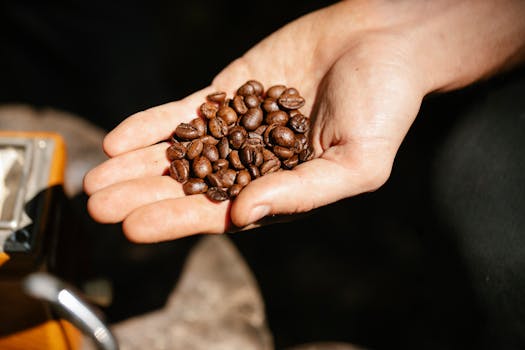

Coffee lovers know there’s magic in savoring a thoughtful cup, especially when mindful coffee moments guide those first morning sips. Specialty micro-lot coffee can transform daily rituals into mindful acts that ground and uplift.
Combining specialty coffee micro-lot selections with mindful living means paying attention to origin, flavor, preparation, and self-awareness. This approach awakens the senses, making each cupmore intentional, flavorful, and restorative.
Explore a new way to approach both your favorite drink and your mental clarity. This guide reveals concrete ways to blend mindful coffee habits with daily wellness, so you can build meaningful moments—cup by cup.
Designing Mindful Coffee Rituals for Every Day
Building a mindful coffee experience starts with tools, timing, and micro-lot selections that match your mood. You’ll notice richer aromas, smoother textures, and deeper flavors just by changing how you begin your day.
For example, let mindful coffee guide your attention to tactile sensations—like the warmth of a mug or the swirl of steam. Focused breathing between sips helps you slow down and deepen enjoyment.
Setting the Scene for Calm Mornings
Choose a peaceful spot for your morning brew, away from screens and distractions. Letting quiet surround you, listen for the first drip or pour as your wake-up soundtrack.
Select your favorite micro-lot beans the night before. Lay out brewing gear, set your grinder, and write a simple intention on a sticky note. This makes mindful coffee a ready ritual.
Notice the textures and smells as you prep. Inhale deeply while grinding beans, letting fresh aromas cue your senses to wake. These micro-habits help anchor your senses in the present.
Intentional Brewing Techniques to Try
Try the “four-step pour-over pause:” add water, pause, observe bloom, inhale, and pour again. Each stage increases mindful coffee awareness. Note subtle shifts in aroma and color.
Implement a two-minute waiting window after brewing. Rather than rushing, trace steam patterns and observe your anticipation rising. Let each sense play a role in making coffee a grounding activity.
Pair your mindful coffee preparation with a deep inhale first, sip next, then exhale slowly. Treat each sip as a check-in with your mind and body, fostering calm alertness and presence.
| Step | What to Notice | Action | Takeaway |
|---|---|---|---|
| Grind Beans | Texture, aroma | Pause to inhale deeply | Re-center focus before starting |
| Boil Water | Sound, temperature | Listen for gentle boiling | Sound anchors your attention |
| Brew Method | Color development | Watch bloom and pour | Visual cues guide awareness |
| First Sip | Mouthfeel, temperature | Savor slowly, breathe | Start the day with calm clarity |
| Reflect | Aftertaste, mood | Journal one note | Notice and track patterns daily |
Aligning Micro-Lot Choices with Personal Wellness Goals
Match your micro-lot selections with mood and wellness intentions. This practice harnesses mindful coffee’s ability to support different states—energized, focused, soothed, or inspired.
Choose fruity, light-bodied beans for creative mornings, or opt for chocolatey, syrupy profiles to ease into calm afternoons. Let flavor become your wellness companion, fueling specific emotions and needs.
Pairing Flavors with Mindful Outcomes
Experiment by matching coffee profiles to intentions. For example, say, “I want a bright, floral cup for focus,” then measure if your energy or clarity shifts after drinking.
- Sample Ethiopian micro-lots for a tea-like clarity—notice improved alertness after slow sips. Drink in a quiet nook to ground yourself.
- Opt for Colombian beans when you need gentle sweetness. Note if your mood feels lighter after pausing between each mindful coffee sip.
- Try Kenyan micro-lots on days you want motivation; their vibrant acidity can encourage you to take bold first steps toward your daily goals.
- Reach for Sumatran or Guatemalan beans for earthy, grounding complexity. This profile supports feeling centered during anxious moments.
- For creative recharges, seek micro-lot coffees with berry or jasmine notes. Reflect on their nuance, letting new ideas percolate as you taste.
Intentionally linking coffee flavors to emotions is a practical way to boost self-awareness and align sensory moments with desired states of mind.
Making it an Everyday Habit
Create a checklist for mindful coffee pairings each week. Log which profiles energize you, which soothe you, and which act as instant mood boosters.
- Pick one micro-lot for morning focus, noting how alertness lasts through noon. Adjust picks weekly based on result.
- Rotate micro-lot origins when you want to break routine—use flavor exploration to spark excitement and break monotony.
- If stress spikes, reach for the smoothest, low-acidity micro-lot on your shelf. Use mindful coffee as your first step in stress management.
- Set up a “flavor intention” chart in your kitchen. Place sticky notes with pairings, so choosing beans is as mindful as brewing them.
- Let weekend afternoons host intentional coffee tastings with friends or family—share mindful coffee experiences and ask, “How does this cup make you feel?”
This intentional approach doesn’t just sharpen flavor detection; it creates new daily rituals that support mental, emotional, and sensory harmony.
Sensory Exploration: Tuning Into the In-Between Moments
Micro-lot coffee experiences enrich the small acts—grinding, pouring, swirling, or sipping. Each step, if slowed down, becomes its own meditation and a core part of mindful coffee practice.
Focus on transition moments, like the sound of pouring or a gentle whiff after grinding. These pauses allow space for reflection and enhance enjoyment through all five senses.
Cueing Your Senses to Perception
Start by letting hands, eyes, nose, and listening guide the coffee journey. When you hear beans crackle during grinding, let it cue a deep breath. Observe water spiraling in the brewer—imagine stress spinning away.
The analogy of tuning a guitar string applies here. Slow, incremental changes in grind or water temperature lead to subtle shifts in tension and flavor. Observe tweaks with curiosity and respect for your preferences.
After the first sip, set your cup down for a beat. Note the temperature, body language—perhaps you lean in, exhale, or smile. Each moment doubles as calibration for future mindful coffee cues.
Micro-Rituals for Ongoing Practice
Light a candle or place a single flower on the table during brewing. Let this non-verbal signal mark out your mindful coffee space and time—a defined pause from a busy schedule.
Pair your coffee with a five-minute journaling session. Jot down one thing you detected and how it shaped your mood. These quick reflections deepen appreciation, guiding future choices.
Switch up your mug shape or color occasionally. Notice how tactile and visual novelty sharpens attention. This tactile element provides a refreshing reset and builds a positive feedback loop for attentiveness.
Integrating Mindful Coffee with Other Wellness Habits
Pair mindful coffee micro-lot breaks with other wellness routines for layered benefits: stretching during brewing, meditating with each sip, or reading a nourishing book alongside tasting notes.
Stacking habits in this way builds self-care momentum and creates new links between coffee enjoyment and holistic wellbeing.
Mini Checklist: Compound Micro-Lot Moments
1. Brew micro-lot coffee while stretching your back.
2. Savor each sip, noticing body sensations.
3. Pause and write a gratitude note after a cup.
4. Share a tasting moment—invite reflection from a friend.
5. Play quiet music to support concentration when cupping.
Integrating mindful coffee with existing healthy routines strengthens motivation. Each linked habit provides a cue for the next, making wellness easier to maintain.
Scenario: “Let’s Make Mindful Coffee the Anchor”
Imagine a stressful workday morning. You announce to yourself, “I’ll use my micro-lot ritual to set the tone.” Grind, pour, and deeply inhale. Allow the transition to calm your nerves and clarify your next action.
Use body language to reinforce. Sit upright, breathe out tension, and gently cup your mug before the first sip. The reward is an energizing restart in the midst of pressure.
This realistic scenario can be copied directly. Where pressure rises, a mindful coffee break is an intentional anchor, creating a fresh starting point for focus and positivity.
Building a Personal Library of Flavor Memories
Documenting your mindful coffee moments helps you recognize patterns, preferences, and moods tied to different specialty micro-lots. Personal tasting notes evolve into a unique reference library that grows over time.
Keep a notebook or digital log, jotting the date, bean, mood, and flavor. As you record, watch for signals: do lively citrus notes coincide with creative bursts? Does a cocoa finish appear as evening winds down?
Tasting Note Scripts You Can Use
For each bean, record: “Date, Origin: Costa Rica micro-lot, Mood: hopeful, Aroma: caramel. Taste: vibrant, lemon, jasmine. Texture: smooth finish. Overall: bright mood, energized creativity.”
Notice contrasts even within origins. Guatemalan Huehuetenango micro-lots sometimes echo ripe plum, while Ethiopian Yirgacheffe leans floral and tea-like. Pin expectations and reality for each profile. Mark what surprises you.
Review entries monthly. Spot new preferences or recurring impressions. “I noticed my best Monday starts followed micro-lot beans with berry undertones.” Let this direct your next mindful coffee purchase or ritual.
Sharing Flavor Notes for Community Connection
Exchange mindful coffee logs with friends by text, shared docs, or quick voice memos. Ask, “Did the Kenyan micro-lot inspire you today? Did you spot those juicy currant notes?”
This dialogue nurtures curiosity and a sense of shared discovery. Celebrate divergence; someone else’s citrusy finish may be your floral sparkle. Learn together and include guests in occasional tastings, broadening perspective.
Notice how friendly banter enhances mindfulness and multiplies flavor insights. Each exchange expands your flavor vocabulary, linking coffee experience to memory and meaning.
Conclusion: Sustaining Mindful Coffee as a Transformative Practice
Purposeful micro-lot rituals, intentional pairing, and close attention to sensory moments turn coffee into more than a beverage; they establish mindful coffee as daily self-care rooted in curiosity and presence.
New routines grounded in mindful coffee encourage awareness in other aspects of life, too. By noticing shifts in mood, energy, and flavor, you carry these lessons into everyday habits and relationships.
Let specialty micro-lot selections act as invitations to slow down and savor. Over time, mindful coffee becomes not just a morning highlight but a foundation for holistic well-being and intentional living.
Frequently Asked Questions
What exactly is a coffee micro-lot, and why does it matter for mindfulness?
A coffee micro-lot is a small, unique harvest from a specific plot, offering distinctive flavors. Their traceable nature makes mindful coffee practices easier since you can notice subtle differences and value the source.
How can I incorporate mindful coffee habits if I’m usually in a rush?
Prepare one part of your brewing routine the night before. Try focusing on one sensory detail each morning, like aroma or temperature, even if your time is limited. Small pauses matter.
Which brewing method supports mindful coffee best for beginners?
Pour-over and French press both offer a slower, hands-on process that encourages mindful coffee pauses. Beginners benefit from brewing methods that highlight subtle changes and slow down the pace.
Can mindful coffee routines really improve my mood?
Yes, intentional coffee rituals pair sensory enjoyment with a break from distractions, supporting calm, clarity, and grounded energy. Try logging your mood before and after a mindful coffee break to observe the difference.
Should I always drink coffee alone for mindfulness, or can it be social?
Mindful coffee works both ways. Solo moments allow introspection, while group tastings deepen both connection and flavor observations. Choose the setting—quiet or shared—that helps you notice more in each cup.