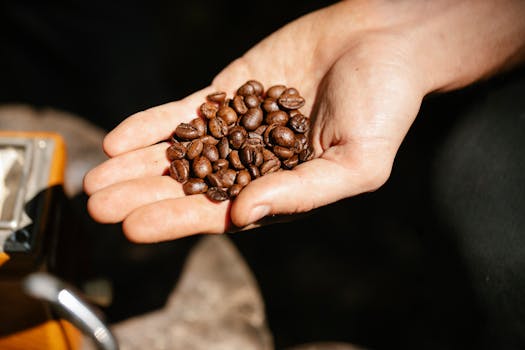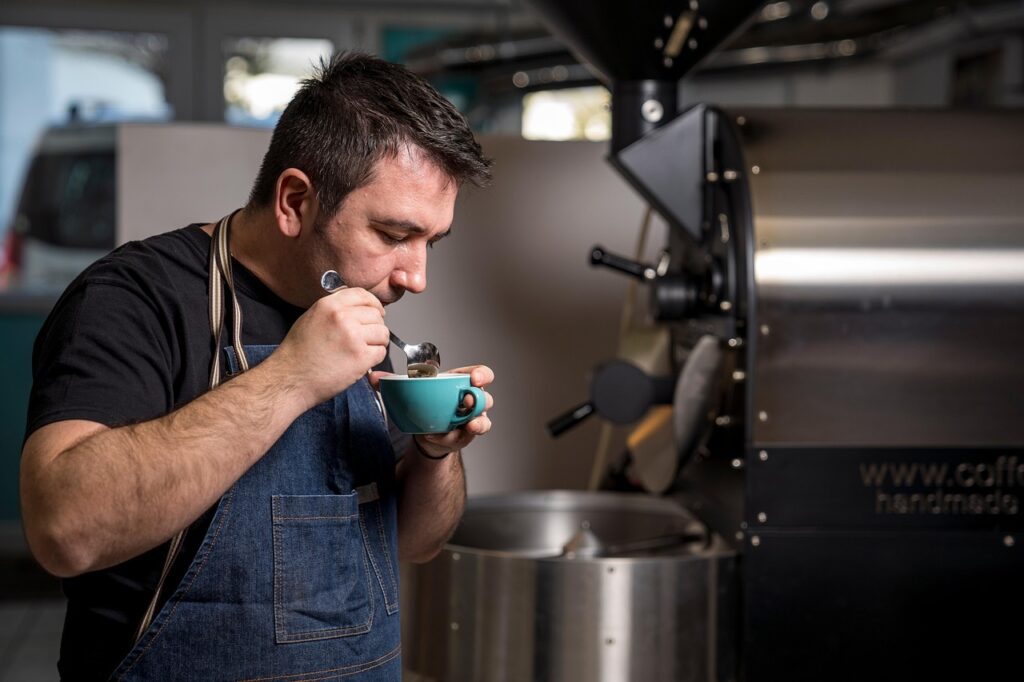

Picture this: neighbors who barely nod on the street gather together, animated by the aroma of truly unique coffees. Coffee tastings for specialty micro-lots create powerful moments of togetherness, transforming ordinary evenings into rich, shared experiences full of discovery.
Specialty coffee micro-lots aren’t just for experts or connoisseurs; they offer an accessible way for anyone to connect through flavor, conversation, and curiosity. By gathering around a tasting table, participants uncover vibrant stories and foster relationships that last far beyond the final sip.
This article will guide you step-by-step through creating welcoming, engaging, and educational communal events based on specialty micro-lot coffee tastings. Explore supportive routines, practical checklists, and real-world examples for memorable coffee-centric gatherings.
Starting a Specialty Coffee Micro-Lot Tasting Circle for Your Neighborhood
Launching a local coffee tastings circle brings neighbors together for a new kind of social interaction, grounded in warmth and shared exploration. Committing to a simple routine and inviting real dialogue makes every meeting valuable.
Begin by selecting a handful of micro-lot coffees, each with a distinct origin, processing method, or roast. Announce the gathering as a curiosity-driven social, encouraging attendees to bring questions, stories, or favorite mugs.
Organizing Invitations and Building Anticipation
Send personalized text messages or neighborhood flyers saying, “Join us for micro-lot coffee tastings this Saturday night—it’s casual, bring a mug and a friend.” Use friendly language and clear timing; let people know it’s beginner-friendly and interactive, not a lecture.
Set expectations gently: “We’ll taste together, swap notes, and enjoy treats.” Offer next steps such as RSVP details or directions, so no one feels out of place or lost in the process.
Offer a sneak peek by sharing one story: “We’ll taste a honey-processed Ethiopian with floral notes—curious?” A teaser creates intrigue, signaling something special to look forward to without overwhelming anyone with jargon.
Setting Up a Welcoming Tasting Environment
Create an atmosphere where every attendee feels at ease. Set up a long communal table with small bowls of coffees, blank note cards, and pens for jotting taste impressions. Include signage with easy-to-read origin and process details for each micro-lot.
Encourage everyone to introduce themselves with a quick “What’s your first coffee memory?” Sharing small, honest stories breaks the ice fast, opening space for new connections.
Make the ritual lightweight: no need for fancy gear. Bowls, spoons, a French press or pour-over, and enough hot water suffice. Abstain from intimidating jargon—let simple, inviting instructions lead the way.
| Coffee Micro-Lot Origin | Flavor Notes | Best Brewing Method | What to Try Next |
|---|---|---|---|
| Ethiopia (Yirgacheffe) | Floral, lemon zest, berry | Pour-Over | Pair with citrus shortbread |
| Colombia (Huila) | Cocoa, caramel, cherry | French Press | Try with dark chocolate |
| Costa Rica (Tarrazu) | Honey, stone fruit, creamy | Kalita Wave | Serve with milk chocolate |
| Guatemala (Huehuetenango) | Spice, apple, brown sugar | Aeropress | Pair with nutty biscotti |
| Kenya (Nyeri) | Currant, tomato, citrus | Chemex | Try next to ripe berries |
Hosting Your First Full-Flavored Micro-Lot Event
Experiencing your first specialty coffee tastings evening opens the door to personal discovery and genuine connection. By being intentional in setup, pacing, and activities, you maximize curiosity and engagement for every guest—regardless of prior experience.
Choose five micro-lot coffees representing a diverse array of processing styles (washed, honey, natural, anaerobic, experimental). Focus each tasting station on a single coffee, with descriptive cards and gentle guidance for each cup.
Designing the Flow: Welcome, Taste, Connect
Start with a cheerful welcome—even a simple “Thanks for joining our micro-lot tasting!”—to set the tone. Offer everyone a clean spoon and walk through each step out loud, using approachable language.
- Announce your agenda, so participants relax: “We’ll taste five micro-lots, chat between pours, and share flavor notes.” A clear flow helps everyone settle in and stay open-minded.
- Invite people to sniff an empty cup—a fun trick for recognizing subtle aromas. People usually relax after this low-stakes, sensory activity and start asking questions more freely.
- Guide the group to slurp the coffee gently, helping them focus on mouthfeel, acidity, and finish. Model this yourself first: “I get peach and vanilla—what do you notice?”
- Facilitate casual discussion after each round. Nod, smile, and invite quieter folks to share: “Anyone taste something different?” Use open-ended prompts.
- Close the experience by letting guests vote on favorites, with quick reasons why—spire friendly disagreement (“I like the tart one!”), sparking deeper conversation and light competition.
End the evening with a note: “Next time, let’s try a rare fermentation!” Leave people eager for future gatherings by previewing surprises without pressure.
Providing Simple Pairings to Elevate Flavors
Offer locally-baked shortbread, seasonal fruit, or chocolate—paired carefully to amplify the unique traits in each micro-lot. Explain, “This floral Ethiopian opens up with orange wedges.” Sharing specific pairings makes the tasting memorable and builds culinary confidence among your group.
- Select a treat for each coffee that highlights its flavor. Not all sweets work; match acidity with citrus, chocolate with creamy notes, and nuts with earthy beans. Tell guests why each pairing matters.
- Encourage nibbles between sips to see how flavors interact. For example: “Try a bite of caramel chocolate, then the Costa Rican—notice the mellowing sweetness?” This invites playful discovery.
- Rotate pairings to avoid palate fatigue. Offer sips of water and plain bread for cleansing, so every new micro-lot stands out clearly. Guests will thank you for the refresh.
- Announce that experimentation is welcome: “Mix bites or try the brownie after the Kenyan.” When everyone feels comfortable blending tastes, the event stays relaxed and fun.
- Finish with a toast to flavor harmony: “Here’s to tasting the world together!” Rituals like this create a sense of belonging and boost collective enthusiasm for the next gathering.
Offer each participant a small takeaway—maybe a card with their favorite pairing and coffee details, so the learning sticks and fosters anticipation for another round of tastings.
Bringing Stories and Origins to the Table With Conversation Starters
Tasting specialty micro-lot coffees is about storytelling as much as flavor. By sharing details about the farms, producers, and processing methods, you create context for every sip and inspire deeper community ties.
Consider preparing three origin stories in advance, such as how a Colombian cooperative experiments with honey processing or how a Guatemalan grower hand-selects only ripe cherries. Frame anecdotes with human details: “Maria tastes each day’s pickings before accepting them.”
Introducing Traceability and Transparent Sourcing
Lay out origin cards and maps at your event. Explain: “This micro-lot from Huila is traceable to one 3-hectare farm. See the family photo on this card? That’s Angela and her sons.” Ground each story in facts, not romance.
Respond to guests’ curiosity by showing producer notes or roast logs, saying things like, “Check the moisture content or see the weather notes here.” Empower the group to look for tangible evidence of care and skill in sourcing.
If a guest says, “It’s amazing how much work each cup takes,” encourage follow-up: “Absolutely—come back next time and we’ll compare roasting profiles!” Fueling curiosity ensures guests return for more hands-on learning.
Facilitating Discussion About Ethics and Direct Trade
If someone asks about farmer pay or transparency, respond matter-of-factly: “Direct trade micro-lots guarantee stable pricing. Here, the cooperative negotiates with the roaster for each harvest. Notice how all details are printed on the label.”
Share a direct trade checklist for reference: farm info, lot sizes, payment terms, and contact details. Point to these examples physically to connect values with action. Clarity reassures participants that every cup represents respect as well as taste.
Invite guests to express opinions on these issues: “What’s your take on single-source sourcing?” Encourage healthy, open dialogue with listening and respect. This builds trust and underscores the depth behind each coffee tastings event.
Frequently Asked Questions
What is a specialty coffee micro-lot?
A specialty coffee micro-lot is a small, carefully managed harvest from a specific farm or plot, selected for exceptional flavor. These coffees are traceable and produced with rigorous quality standards, offering unique and limited flavor experiences distinct from mainstream coffees.
How do I organize a local coffee tastings event if I’m a beginner?
Start with a simple invitation to your social circle, pick a few unique specialty micro-lots, and use basic brewing tools. Focus on creating a relaxed, judgment-free space where guests can taste, discuss, and learn together. Keep instructions straightforward to ease participation.
Are there etiquette rules or guidelines for coffee tastings?
Encourage guests to arrive on time, listen during flavor note sharing, and keep an open mind about new profiles. Tasting etiquette includes rinsing spoons between samples, using polite conversation, and respecting everyone’s impressions—even if opinions differ. A gentle, inclusive approach makes the event welcoming.
What’s the best way to impart origin stories without sounding rehearsed?
Share personal anecdotes or recent discoveries: “Last time I tried this micro-lot, I learned it’s from a mountainside plot run by two sisters.” Keep details conversational and respond to guest cues for deeper curiosity. Use photos, cards, or producer notes to bring stories to life without lecturing.
What if some guests are completely new to specialty coffee?
Welcome all backgrounds, and explain that coffee tastings are about exploration, not expertise. Outline basic terms clearly, encourage every question, and model genuine curiosity. Avoid jargon and let guests taste at their own pace, noting that everyone’s palate is unique and valuable.
Growing Connections and Community With Every Sip
Specialty micro-lot coffee tastings foster genuine community by inviting curiosity, generosity, and connection into everyday life. When neighbors gather, explore new flavors, and share stories, they build trust through small acts of mindful attention and inclusion.
Each event is a chance to support ethical sourcing, appreciate skilled farmers, and spark friendships that deepen with time. Sharing notes, recipes, and laughter transforms an ordinary beverage into a shared celebration of discovery and care.
Set a date for your next tasting, invite new faces, and approach each session as an opportunity to savor more than just coffee. Every thoughtful gathering leaves your group—and your community—a little richer in flavor and connection.