
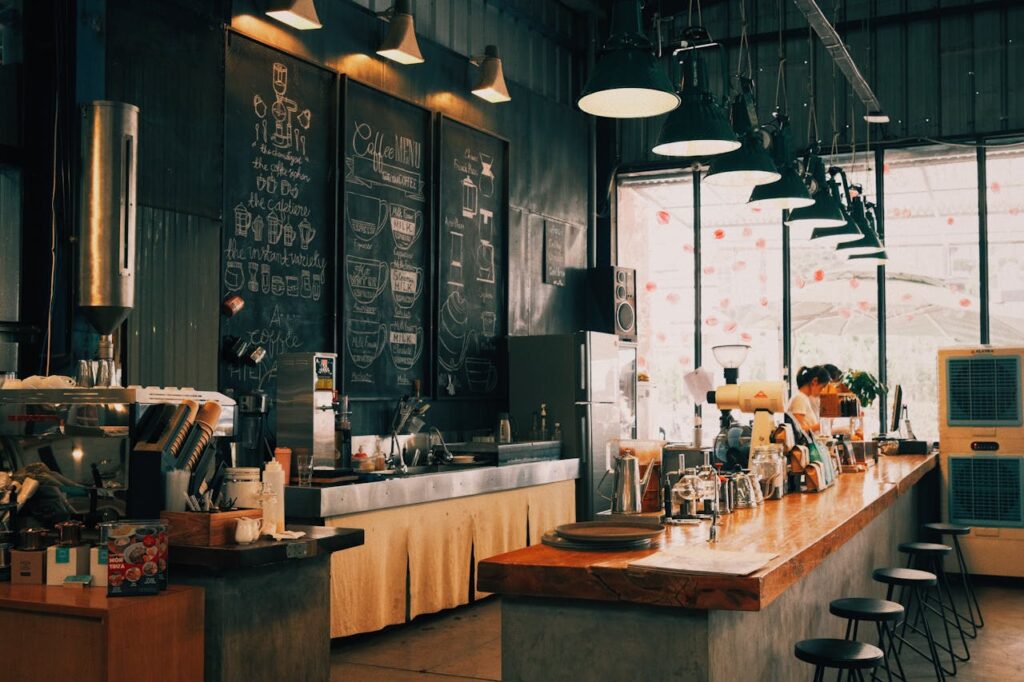
Picture this: sunlight falls softly across hand-crafted tables, the gentle aroma of micro-lot specialty coffee drifting through a café that feels nurturing to the senses and to the planet. It’s this harmonious blend that sustainable cafe design naturally brings into focus, revealing how thoughtful choices create experiences that matter.
Cafés have become hubs of community, creativity, and everyday joy. The connection between where coffee originates and the environment in which it’s enjoyed has never felt more important. Sustainable cafe design makes these spaces not only beautiful but truly responsible for their impact.
This article explores practical and inspiring ways to blend design aesthetics with real environmental responsibility—tailored for specialty coffee micro-lot enthusiasts. Discover ideas, checklists, and small shifts you can make or request today.
Creating an Authentic Atmosphere with Sustainable Café Design Choices
Enacting sustainable café design ensures each detail meets both ethical and sensory goals. Owners, designers, and baristas shape an environment that’s attractive, welcoming, and kind to the earth.
By aligning every design decision with a clear sustainability rule, operators foster trust and create an experience guests champion and share: “I want my local café to look great, but I love when I see they’ve chosen recycled wood.”
Design with Repurposed and Local Materials
Repurposing materials like reclaimed barn wood for tabletops or counters quickly signals environmental commitment in a tangible way. Café regulars notice reused timbers and exposed brick, making each cup connect to sustainability values.
Choosing local materials—timber from nearby mills, ceramics from regional potters—cuts supply chain emissions and strengthens community ties. Café designers should name-drop local makers: “Our mugs come from a potter just two towns away!”
Owners who showcase their repurposed finds or craftspeople’s stories create talking points and a more memorable brand. Every guest feels part of the mission when these practices are explained upfront.
Lighting and Energy Efficiency that Set the Café Mood
Using large windows and strategic mirrors maximizes daylight in service spaces and guest seating. This reduces electricity use, helping to keep the coffee bar bright and vibrant without waste.
Swapping old bulbs for LEDs and motion sensor lighting in staff areas achieves significant savings. Baristas enjoy a workspace that’s functional at any hour without a spike in energy bills.
Cafés celebrating specialty coffee micro-lots can tie energy efficiency to their menu story: “We save power so we can source the best beans from sustainable partners.”
| Design Element | Conventional Option | Sustainable Choice | What to Do Next |
|---|---|---|---|
| Tabletops | Virgin hardwood | Reclaimed wood | Source from local salvage yards |
| Lighting | Incandescent bulbs | LED, natural light | Install dimmers and skylights |
| Cups | Disposable plastics | Locally made ceramics | Offer in-house mug discounts |
| Flooring | Imported tile | Polished concrete | Seal existing floors for longevity |
| Decor | Mass-produced art | Local artists’ works | Host rotating exhibits monthly |
Implementing Zero-Waste Practices at Every Touchpoint
To see tangible results, sustainable café design incorporates specific waste-reducing tactics at each customer and staff step. These rules let any team or enthusiast start small and expand.
Creating waste streams and goals tailored for specialty coffee micro-lots keeps operations focused and guests informed. Efficient methods translate to financial and environmental wins.
Compost, Recycle, and Reuse: Immediate Steps to Take
Set up separate bins with color-coded signs behind the counter: compost for coffee grounds, recycling for milk cartons, and a reusable tools box for staff. This becomes second nature when clearly marked.
- Launch a mug library—offer customers a visit-and-return program with a $2 deposit, encouraging visits and reducing disposables at the source.
- Train baristas to offer compostable cups only on request, while explaining the option for in-house ceramic mugs so customers make informed choices.
- Post real numbers about waste diverted on community boards (“Last week: 120 pounds of grounds composted”), turning goals into shared triumphs for staff and guests.
- Switch to reusable cloths instead of paper towels for cleaning—this saves hundreds of single-use wipes and keeps supply costs steady each month.
- Sell bulk beans in refillable containers brought by customers, rewarding their effort to cut bag waste and starring their names on a regular’s board.
Visibly posting eco-goals ensures everyone knows what matters and sees their impact on sustainable cafe design with specialty micro-lots.
Greener Cleaning with Health and Transparency
Swapping traditional bleach or ammonia for plant-based cleaners keeps the café air pleasant and the staff safe. Announce the switch during employee briefings and on a visible “eco-board.”
- Test lemon-vinegar spray versus commercial solvent, evaluate for barista-friendliness, and replace all under-counter cleaners in one shift.
- Place “cleaner used today” cards at restrooms, reassuring guests with clear language (“This area was sanitized with our citrus solution at 9:00 AM”).
- Host quarterly all-hands for eco-education, inviting team members to share ideas and vote on the next improvement—everyone takes ownership of results.
- Bundle cleaning routines (wipe tables, refill water carafes) instead of isolated tasks to minimize product use and save time for baristas.
- Audit the storeroom with an ingredient list, replacing any product that carries a “hazard” label with a safer alternative recommended by eco-guides.
These routines not only improve sustainable café design—staff and customers associate micro-lot coffee with a genuinely healthy, transparent environment that they trust.
Aligning Café Ambience with Specialty Micro-Lot Coffee Values
Great sustainable café design turns every visit into an immersive micro-lot coffee experience. Signature design details deepen appreciation for the origins and uniqueness of each cup.
Showcasing Micro-Lot Provenance in Visual Design
Display maps featuring farmers’ names, regions, and specific micro-lots sourced. Chalkboard menus highlight the journey beans took, serving as a visual badge of transparency and care.
Arrange beans, burlap bags, or farm photos on shelves along communal tables. Staff refer to this display (“This lot is from Luis in Tarrazú, crop 2023”) during every customer order.
Feature micro-lot origin stories in table tents or QR codes that link to short videos or tasting notes. Guests connect emotionally with their drink, seeing the real people and landscape behind each brew.
Inviting Customers Into the Story
Encourage baristas to share micro-lot tidbits during service. For example, one might say, “This Pacamara was grown under shade trees by a women’s cooperative for richer flavor.”
Set up “origin spotlights” on weekends: small tastings with printed info sheets and flavor wheels. Guests leave knowing why that micro-lot is unique, building loyalty to the café and its values.
Provide a suggestion box for micro-lot regional requests, letting guests influence future offerings and see their feedback shape the coffee community.
Reimagining Furniture and Decor for Lasting Sustainability
Sustainable café design extends beyond just surfaces. Selecting lasting furniture and unique décor ensures a longer life cycle and keeps the space fresh for specialty micro-lot fans.
Easy-to-repair fixtures and multi-purpose furniture allow for quick adaptation, like shifting from busy daytime seating to intimate evening events—maximizing resource use and comfort.
Choosing Durable Over Disposable: The Long-Term Payoff
Invest in steel or reclaimed wood bases for tables so repairs require only a new top, not a full replacement. It preserves investment and keeps waste low, matching micro-lot values.
Select seating from local makers using natural, low-VOC finishes instead of imported plastic. Guests notice details: “These stools feel sturdy, like they’ll last for years.”
Periodically update soft goods such as cushions or planters rather than whole color schemes, refreshing the space without a full redesign and minimizing wasteful excess.
Decor That Reflects Ethical Choices
Feature rotating artwork from artists focused on sustainability. Change pieces each month with a simple wall-mount system, inviting fresh energy and local stories without “fast art.”
Plant native greenery in repurposed vessels—think ceramic pots, tins, or baskets sourced from thrift shops. These touches add vibrancy while cleaning the air, all for minimal cost.
Hang up customer-submitted images of farms or micro-lots they’ve visited, building deeper ties between guests and the global specialty coffee world the café celebrates.
Leading by Example: Daily Routines That Foster Eco Habits in Café Culture
When staff model daily sustainable café design practices, guests follow their example organically. Baristas and owners become sustainability ambassadors with each routine and every micro-lot cup served.
Morning Set-Up: Planting Sustainability in Rituals
Staff start shifts filling reusable water pitchers, prepping house-made oat milk, and opening windows for airflow rather than turning up HVAC. Guests see and appreciate these habits in real time.
Assign baristas to wipe down spaces with washable cloths, note cleaning times on the community board, and check compost stations. It signals precision and consistency—qualities that transfer to specialty coffee too.
Replace wasteful shipment packaging with stackable, returnable containers on delivery days. Staff invite visiting drivers in for a cup, thanking them and reinforcing a mutual commitment to sustainability.
Greeting Guests and Delivering the Sustainability Message
Every team member greets customers with details about sustainable café design (“We offset our electricity and give discounts for reusable mugs!”). Small, practiced scripts build culture and spread awareness.
Hosts encourage guests to sample new micro-lots and share which design or waste initiative they liked on a sticky “Green Board.” Feedback shapes weekly staff briefings and future improvements.
On busy shifts, staff circulate with table-side check-ins: “Did you know we compost every spent puck?” Guests chat and join in on eco goals with pride.
Conclusion: Keeping Momentum in Sustainable Café Design with Micro-Lots
Combining aesthetic appeal and responsibility gives specialty micro-lot coffee cafés ongoing inspiration. Owners, staff, and guests work together for a meaningful impact without sacrificing comfort or beauty.
Sustainable café design means details—tables, menus, even light fixtures—make a statement worth sharing. Visitors return for both the exceptional coffee and the feel-good experience of contributing locally and globally.
Each day presents a new opportunity: switch one product, share one origin story, or host one greener event. Start today—those choices add up to a café future everyone can savor.
Frequently Asked Questions
What makes a café design truly sustainable?
A café’s design is sustainable when it thoughtfully sources local materials, uses long-lasting fixtures, chooses low-energy lighting, and sets up effective recycling and composting systems. Every decision aims to reduce waste and minimize resource use while maintaining style and comfort.
Can sustainable café design work for existing businesses or only new builds?
Existing cafés can shift to sustainable practices step by step: switching cleaners, hosting mug libraries, or updating fixtures over time. Each upgrade, from micro-lot story signage to reusable decor, builds lasting value and customer loyalty, even in older spaces.
How does sustainable café design support specialty coffee micro-lots?
Sustainable design highlights provenance through maps, displays, or origin spotlights—strengthening the micro-lot coffee story. Responsible practices reinforce the quality and care associated with micro-lots, building trust between guests, staff, and coffee producers worldwide.
What’s the most effective first step for a café looking to be more sustainable?
Switching to locally sourced, low-waste materials offers visible results quickly. For example, replacing disposable cups with in-house ceramic mugs cuts daily waste and sparks conversations. Staff and guests adapt readily when changes are explained and celebrated together.
Is investing in sustainable café design cost-effective in the long run?
Choosing durable, repairable furnishings and efficient fixtures pays off with fewer replacements and lower utility bills. Customers support cafés whose values align with their own, making sustainable café design an investment in reputation, retention, and ongoing operational savings.