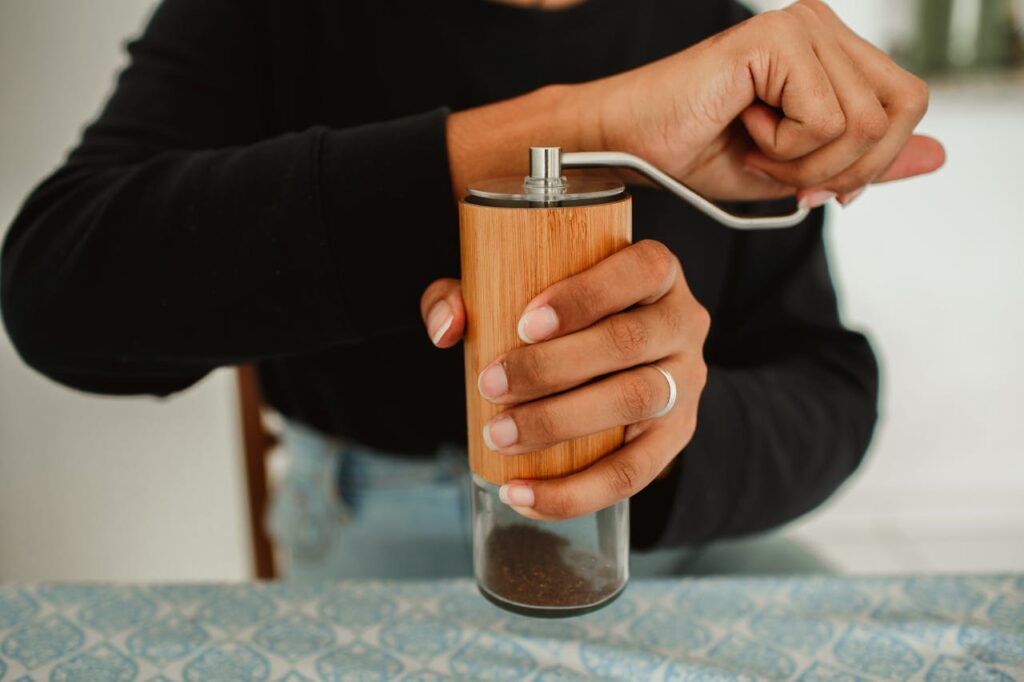
Trying to savor the true flavors of specialty coffee micro-lots elevates the simple ritual of brewing into an experience of discovery. Many recognize that precise hand grinders reveal every nuance of delicate beans, making their role irreplaceable for purists.
Micro-lot coffees are treasured for their unique profiles, but their full aroma can escape through careless grinding. Using specialty-grade hand grinders helps preserve these fragile notes, offering consistently flavorful results that automatic electric burr grinders sometimes fail to match for subtlety.
This guide takes you through an in-depth exploration of hand grinders tailored for preserving the most gentle coffee aromas in micro-lot beans. You’ll get concrete rules, clear comparisons, and step-by-step tips for achieving extraordinary brews at home.
Choosing a Grinder Style Filters Your Micro-Lot Experience
Every brewing routine starts with picking the right hand grinder, and this single step shapes every cup. Selecting the wrong style means missing out on the full aromatic range of micro-lots.
Choosing between conical and flat burrs, or stainless steel versus ceramic, changes how precise your grind will be. Attention to these details lets you reliably capture the origin’s subtle notes in your cup.
Conical Burrs Fine-Tune Your Aroma Control
With conical burrs, users can adjust grind size in tiny increments. If a Costa Rican micro-lot has hints of jasmine, a slightly coarser setting can ensure those floral highlights stay present in your brew.
This tactile approach helps you adapt both grind and extraction time to match specific micro-lot profiles. Try the “one-click coarser” rule: when brightness dominates, adjust slightly to open up sweetness in the cup.
Coffee lovers notice a satisfying, even resistance when grinding, indicating beans are cut precisely for optimal aroma release. Practicing with small batches lets you lock in your best settings for each lot.
Ceramic vs. Steel Burrs Define Your Texture and Flavor
Steel burrs excel at sharp, crisp cuts, making them ideal for dense Ethiopian or Kenyan beans with pronounced acidity. In contrast, ceramic burrs produce less heat and softer grind edges, favoring gentle floral or tea-like micro-lots.
If you enjoy brewing rare Panama Gesha, ceramic runs cooler to avoid dissipating delicate aromatics during grinding. Noticing bitter or burnt undertones? Switching to ceramic and slowing your grind rate can be an instant fix.
Run a quick head-to-head test using the same coffee on both burr types; jot down differences in aroma before and after grinding to learn what works for your preferences.
| Grinder Type | Burr Material | Ideal Coffee Types | Recommended Use |
|---|---|---|---|
| Conical Burr | Stainless Steel | Acidic, Fruity Micro-Lots | Try for V60 or Aeropress with washed Ethiopians |
| Conical Burr | Ceramic | Floral, Gentle Profiles | Pair with Panama Gesha in a Kalita |
| Flat Burr | Stainless Steel | Chocolatey, Nutty Micro-Lots | Great for espresso shots using Brazil micro-lots |
| Flat Burr | Ceramic | Balanced, Mild Lots | Drip brewers with balanced Central Americans |
| Blade | Steel | Not recommended for micro-lots | Use only in emergencies; lacks consistency |
Dial-In Techniques that Highlight Subtle Micro-Lot Aromas
Perfecting your dial-in process means each batch of micro-lot coffee reveals its unique aroma. Attention here helps unlock complexity that would otherwise vanish with a generic grind.
Begin each session by reading the roaster’s notes for grind size recommendations. This may seem basic but can save time and beans, especially with highly limited micro-lot offerings.
Adapting Grind Size for Each Bean
A freshly roasted Ethiopian Yirgacheffe needs a slightly finer grind than a natural Colombia micro-lot. Keep a simple logbook where you record settings and outcomes to speed up future dial-ins.
- Test grind size at three intervals: Start at the roaster’s suggestion, grind coarser for one batch, finer for the next. This instantly reveals the effect on aroma.
- Sniff before brewing: After grinding, smell the grounds at each setting to detect aroma intensity. Choose the one where complex notes feel most apparent at arm’s length.
- Weigh output: Use a scale to confirm that 20g in equals exactly 20g out, ensuring no fines are lost. This extra check reduces wasted micro-lot beans.
- Time your grind: Consistency signals grinder performance. If the same 20g takes much longer at one setting, check for clogging or uneven burr alignment.
- Make a micro-adjustment: If acidity drowns out everything else, add just a half-click coarser or finer and repeat. Each move can rescue hidden aromas.
Each adjustment guides you to richer results—making each cup worth savoring.
Fine-Tuning Extraction with Steady Hand Grinding
Slowing your grinding speed helps retain delicate top-notes. Avoid fast, jerky cranking, which can heat the grounds and cause aromatics to dissipate before brewing.
- Grind in a steady rhythm: Smooth, controlled motion keeps burrs from over-heating. This preserves the light floral and fruit notes that define micro-lot flavor.
- Pulsing the handle: Rotate the handle in short, smooth bursts rather than continuous, rapid spinning. This gives the beans time to settle and break evenly.
- Start and finish with a gentle pace: Avoid aggressive acceleration or quick stops. Think of grinding as whisking eggs—steady, efficient, and mindful of every stage.
- Check for static: If grounds cling to the grinder, tap the receptacle lightly before opening. This minimizes spilling and helps blend the aroma more evenly.
- Maintain burr alignment: Periodically check that burrs are snug and parallel after each micro-lot. This maintains uniformity and ensures subtle aromas don’t get lost in uneven fines.
These routines build better results with every dose of rare beans.
Maintaining Your Grinder Extends Micro-Lot Freshness in Every Cup
Routine care keeps your hand grinder delivering optimal results with specialty coffee micro-lots. Neglecting maintenance can muddle flavors, trapping old oils and masking intricate aromas in each new batch.
Deep Cleaning for Consistency
Flush the burrs with a handful of dry, uncooked rice grains every week. This dislodges trapped grounds and absorbs oils without harsh chemicals, preserving the intended aroma of your next micro-lot grind.
Disassemble the burr and brush out crevices monthly. A dedicated, soft-bristle brush sweeps hidden debris that even rice can’t reach. Inspect for tight, even reassembly and store dry after use.
Replace worn burrs as soon as you notice performance drops: odd resistance, excess fines, or a dulling of fresh aroma are clear cues that it’s time to upgrade parts.
Storage Practices for Preserving Micro-Lot Potential
After cleaning, store your hand grinder away from direct sunlight and moisture. Protecting both the grinder and your recently ground coffee extends freshness and guards against unwanted aroma transfer.
Use containers or bags with tight-seal locks for your ground coffee, and label each micro-lot by origin and date. This habit removes guesswork on your next brew and preserves peak flavors day-to-day.
Periodically air out the grinder’s receptacle between micro-lots—this keeps prior aromas from blending into fresh batches and supports tasting distinct qualities in each new lot.
Assessing Grind Consistency Reveals True Micro-Lot Character
Judging grind uniformity supplies crucial feedback when preparing specialty coffee micro-lots. Visual inspection and simple tools let you catch uneven results and zero in on settings that best extract delicate aromas.
After every grind, pour a small sample onto a flat white plate. This trick makes it easier to spot unwanted boulders or powder that dilute the cup’s unique profile.
Comparing Results with Sieve Testing
To get scientific about it, try a coffee sieve that captures fines in its mesh. Sift a spoonful of grounds from your hand grinder, then inspect what falls into each tray. Minimal fines indicate top performance.
If you spot clumps in different trays, recalibrate burrs or adjust your grinding motion. Beginners and veterans alike benefit from tracking which settings reduce visual and textural inconsistencies in each test.
This kind of calibration not only refines your technical skills but helps you recognize more flavors in every nuanced cup drawn from micro-lots.
Color and Texture as Diagnostic Tools
Use a pocket magnifier to compare ground coffee color side-by-side. Uniform golden-brown hues signal proper technique. Disparity hints at uneven brewing extraction and possible aroma loss for prized micro-lots.
Rub a pinch of coffee between your fingers: consistent grains glide smoothly while inconsistent grinds feel gritty or lumpy. Adjust your grinder or technique accordingly when results are uneven.
Commit to quick spot-checks after every grind and log what works well, then replicate those combinations when tackling new micro-lots in the future.
Troubleshooting Common Issues in Hand Grinding Micro-Lot Coffee
Recognizing and solving common grinder problems protects the quality of micro-lot coffee. Quick attention to changes in grind output, texture, or aroma can save your precious beans from waste.
Experiencing clumping or sticky grounds signals too much humidity or old oil buildup inside the hand grinder. Immediate cleaning coupled with drier storage can resolve these annoyances.
Noise and Resistance During Grinding
Unexpected grinding noises distract from the ritual and can indicate loose burrs or foreign particles. Stop, disassemble, and look for anything jammed between the burrs—fix this before you resume grinding your micro-lot batch.
Increasing resistance isn’t normal. Once detected, halve your current batch and check for bean fragments wedged around the axle. Remove these and tighten any wobbly screws for smoother motion.
Record recurring issues in a maintenance log, helping you spot patterns or decide when it’s time to replace or service your hand grinder to protect your micro-lot investment.
Preserving Aroma in Multi-Use Grinders
Switching between micro-lot origins in the same hand grinder can muddy delicate aromas. Lightly grind a few grams of plain, inexpensive beans between lots to clear out old residues.
After your cleaning grind, wipe all surfaces that come in contact with the grounds. Doing this consistently preserves micro-lot purity and ensures the next batch presents its full aromatic bouquet.
If you taste persistent off-notes, consider dedicating a specific grinder to high-value micro-lots to guarantee consistent, clean flavor for each brew.
Explore Hands-On Rituals for Brewing Micro-Lot Coffee Flawlessly
Approaching micro-lot coffee as a mindful ritual results in greater satisfaction. Use these step-by-step routines to treat each batch with the care it deserves, starting with your hand grinder as the centerpiece.
Grinding fresh before every brew is a foundational habit, as ground coffee starts to lose aromatics within minutes. Prepare everything in advance to avoid delays that sap flavor from prized micro-lots.
- Layout your tools: Place your hand grinder, scale, filter, and brewer in a dedicated spot. This organization builds an enjoyable, distraction-free routine for each micro-lot session.
- Weigh your beans: Always measure to the gram. This habit preserves rare beans, ensures each test is fair, and allows repeatable experiments on grind size or roast style.
- Prep your water: Use filtered water at the correct brewing temperature. Micro-lot aromatics shine brightest between 195–205°F, supporting even extraction and clarity of flavor.
- Pre-wet your filter: Rinse paper filters with hot water to eliminate any off-notes, then discard the rinse water. This prepares the brewer for the full, unmasked aroma of your grinds.
- Grind just before brewing: Grind a single batch only when you’re ready to brew. Use a timer and scale to align your methods and maximize the impact of every micro-lot bean.
Savor each step as you go—every ritual deepens appreciation for the character of your specialty coffee micro-lots.
Fine-Tune Your Brewing Workflow for Distinctive Aromas
Setting up a repeatable workflow brings out the best in every micro-lot. Document established settings for grind size, water temperature, and brew duration for each variety you try.
Keep a dedicated notebook or digital log for all your brewing parameters. Note aftertaste, aroma before and after brewing, and any changes in results. Personal logs let you optimize quickly as you discover what’s missing or perfect in your next cup.
Calibrating For Consistency
Begin each new micro-lot with a test batch. Once you achieve a satisfying cup, label your hand grinder with the specific number of clicks or turns required for that bean. This small step eliminates the guesswork in future sessions.
If a floral aroma is too shy, adjust just one parameter at a time—either water temperature or grind fineness. Observe changes and update your workflow with clear notes for your next experiment.
Photo logs can help visualize grind texture and color over time. Refer to these images when troubleshooting or comparing similar micro-lots for subtle differences.
Adjusting for Batch Size
Larger or smaller brews need proportional changes. Don’t just double or halve quantities—adjust grind size slightly coarser for larger batches, or finer for small pours. This practice maintains optimal extraction and preserves all aromatic complexity.
Experiment with water pulses: Rather than pouring continuously, split the brew into two or three equal pulses. This technique ensures the grounds remain evenly saturated and supports aroma development in each sip.
After each batch, taste and record: “Has the aroma changed, or is the finish different?” Minor tweaks ensure better results every time a new specialty lot is on the table.
Preserving Delicate Aromas Is Easier With Consistent Hand Grinder Habits
Using hand grinders for specialty coffee micro-lots unlocks subtleties in aroma and taste that are otherwise hidden. Each grind setting, adjustment, and cleaning routine shapes a more vibrant and rewarding cup.
Arm yourself with the techniques and routines outlined here to safeguard precious aromas and flavors from start to finish. Even basic changes—like grind speed, burr care, or meticulous note-taking—lead to consistently excellent results with rare beans.
This journey turns brewing from routine to ritual and rewards curious explorers with the full spectrum of micro-lot coffee’s most fleeting, delicate aromas. Keep experimenting, refining, and enjoying every sip.
Frequently Asked Questions
What’s the main advantage of using hand grinders for micro-lot coffee?
Hand grinders offer precise control over grind settings and minimize heat exposure, protecting delicate micro-lot aromas that pre-ground or electric grinders may compromise. They let you customize your grind for the rarest beans every time.
How often should I clean my hand grinder when using specialty coffee micro-lots?
Deep clean weekly with dry rice and brush out the burrs monthly. This keeps old oils and residue from masking flavors and preserves each micro-lot’s unique aroma for every brew session.
Is it better to store ground micro-lot coffee or whole beans?
Whole beans retain their aroma and flavor for much longer. Grind only what you need for immediate brewing to safeguard the complexity and freshness of specialty micro-lots in every cup you make.
Do grind size adjustments really impact flavor that much?
Absolutely. Minor changes in grind size can reveal hidden aromas or suppress bitterness. Keeping a simple log of your settings helps find—and repeat—the sweet spot specific to each micro-lot batch.
Can I use one hand grinder for multiple origins?
You can, but always purge between micro-lots by grinding a few grams of plain beans or running a thorough cleaning. For best results with pricey or rare micro-lots, consider dedicating a separate grinder for these coffees.