Fyoratrace is an independent job search aggregator. We may earn a commission when you click through.
Three KAP Logistics Roles and the Skills They Demand
Compare an operations engineer, environmental engineer, and railway track technician before choosing your next logistics career path.
Warehouse and logistics careers are not limited to picking orders or driving trucks. These three KAP Logistics listings point to three different routes: production planning, environmental compliance, and railway infrastructure. None includes a published salary, so the sensible comparison is based on responsibility, technical focus, and the experience each role is likely to build.
The listings appear through Talent.com Kazakhstan. Candidates should verify duties, location, schedule, and pay directly with the employer before applying.
Quick Picks
Best for production planning: Production and Technical Department Engineer.
Best for compliance work: Environmental Engineer.
Best for hands-on rail work: Railway Track Technician.
What to Check Before Applying
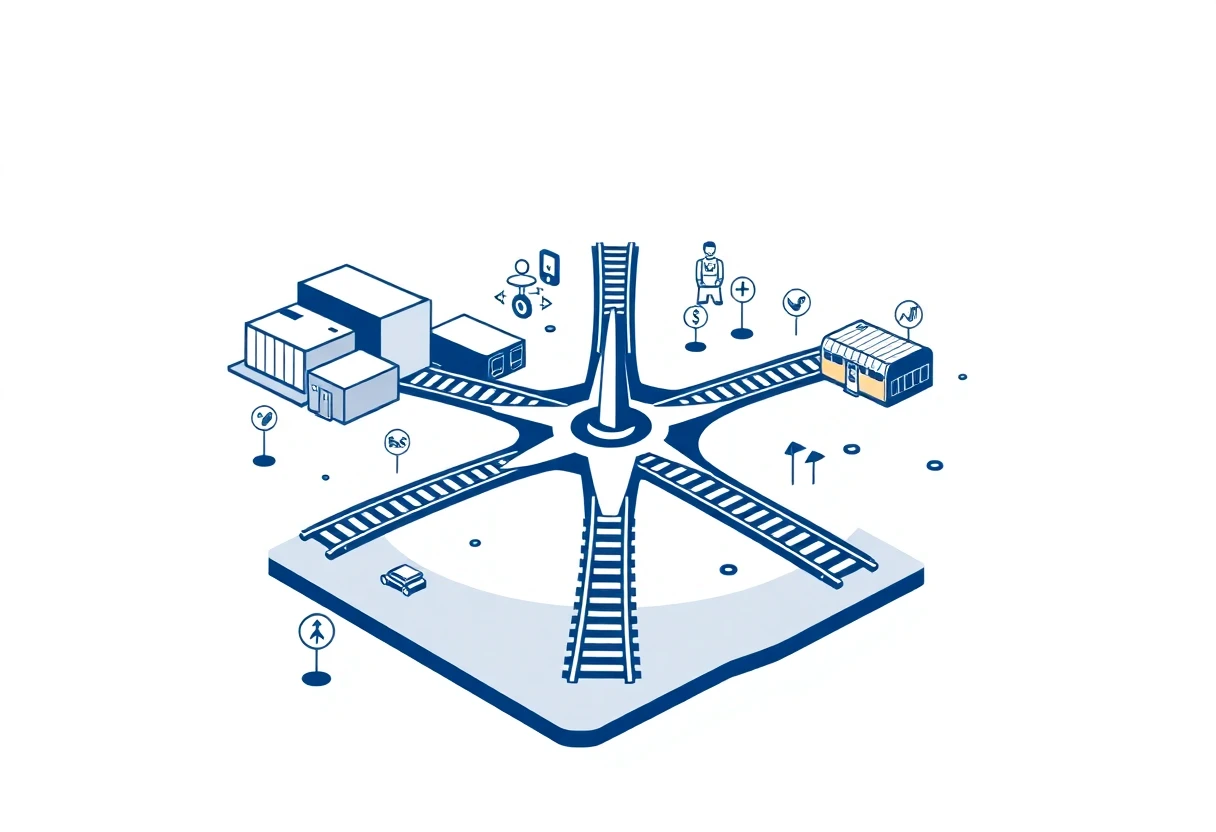
The biggest mistake is treating every logistics vacancy as the same kind of job. These listings sit at different points in the operation. One is office-and-process heavy, one is focused on workplace safety and environmental controls, and one is built around railway maintenance.
- Read the department name carefully. It often reveals the daily work more accurately than the broad logistics label.
- Ask about the work setting. An engineering role may involve reports and coordination, while a track role may involve outdoor shifts and physical inspection.
- Confirm salary before investing time. None of the supplied listings discloses pay.
- Check qualification requirements. Engineering posts usually demand relevant education, while technician roles may emphasize practical railway experience and safety training.
Another common error is applying only because the employer is familiar. A recognizable company does not make every role interchangeable. Choose the work you want to perform most days, then compare progression and schedule.
What the listings reveal
The first and third vacancies are both attached to KAP Logistics' “Shieli-Sungkar” branch, but they point in opposite directions: one manages production information, while the other maintains railway infrastructure. The environmental engineer vacancy belongs to the Central Administrative and Production Base, suggesting a broader compliance setting rather than a single track or production crew.
Engineer of Production Technical Department at KAP Logistics
The production and technical department engineer role is the strongest match for someone who likes schedules, production data, and coordination more than repetitive warehouse tasks. Its department title points toward planning and technical control, but the listing provides no salary, schedule, or qualification details. Ask how much of the job is desk-based reporting versus site supervision before applying. Compared with the railway technician role, this path should build broader planning skills but may involve more documentation and less hands-on work.

Environmental Engineer at KAP Logistics
Environmental engineering is the most specialized route in this group. The role sits within occupational safety and environmental protection, so the work is likely to center on compliance records, risk controls, inspections, and environmental procedures rather than warehouse throughput. That specialization can narrow the day-to-day scope, but it also gives candidates a clearer professional identity than a general logistics title. Choose it if your background includes environmental engineering or workplace safety; do not assume a general operations background will be enough until the employer confirms the requirements.
Track Installer at KAP Logistics Shieli-Sunkar Branch
The railway track technician position is the practical outlier and the clearest choice for someone who wants physical infrastructure work. The title indicates track inspection, maintenance, and railway safety rather than warehouse administration. Expect the possibility of outdoor conditions, shift work, and strict safety procedures, although the supplied listing does not confirm the schedule or experience threshold. Compared with the two engineering posts, this role may be easier to understand from the first day but offers a narrower technical lane.
Common Application Mistakes
Mistake one: using one generic CV. The production engineer application should emphasize planning, technical documentation, coordination, and process improvement. The environmental engineer CV should foreground compliance, inspections, safety systems, and environmental reporting. The railway application needs practical maintenance, equipment, site safety, and railway experience where applicable.
Mistake two: ignoring the missing salary. Salary disclosed is not available in these listings. That does not make them unusable, but it does mean pay must be one of your first screening questions. Ask about base salary, shift premiums, overtime, transport, accommodation, and any field allowances.
Mistake three: assuming the branch location tells you everything. Two roles are tied to the Shieli-Sungkar branch, while the environmental position is listed under the Central Administrative and Production Base. Confirm the actual worksite, commute, rotation pattern, and whether relocation is expected.
Mistake four: applying without checking safety expectations. Logistics engineering and railway maintenance can involve operational hazards. Ask what training is provided, which certifications are required, and how the employer handles protective equipment and incident reporting.
Choose by the Workday You Want
Pick the production and technical department engineer role if you have an engineering background and want to coordinate production rather than perform routine warehouse labor. It is the broadest operations route in this set, but the missing salary and duties make a direct employer conversation essential.
Pick the environmental engineer role if compliance, occupational safety, and environmental controls are already part of your training. This is the most specialized listing, and that can help you build a focused career rather than moving between unrelated logistics tasks.
Pick the railway track technician role if you prefer equipment, infrastructure, and field-based work. It is the least office-oriented path, but candidates should be comfortable asking about weather exposure, physical demands, shifts, and safety certification.
A simple decision test: choose the production engineer role for planning, the environmental engineer role for regulation and risk control, and the railway technician role for practical maintenance. Before sending an application, compare the confirmed salary and schedule—not just the job title.
For a wider view of logistics work in the capital, compare these specialized roles with delivery-based routes in Astana Delivery Careers: Seven Logistics Paths Compared. That comparison is useful if you are deciding between industrial infrastructure and mobile delivery work.

