A single sip of specialty coffee micro-lots can turn an ordinary morning into a sensory expedition. For coffee lovers seeking something extraordinary, panama geisha coffee stands out for its floral elegance and luminous clarity—with every cup setting its own mood and imprint.
Small-batch producers have steadily elevated micro-lots to cult status, drawing attention to rare beans and meticulously managed plots. Panamas’ celebrated geisha varietal leads this wave, captivating tasters by always delivering vibrant, discernible notes that can’t be confused with mass-produced alternatives.
This article guides you through authentic micro-lot processes, flavor rituals, and actionable habits so your next brew celebrates more than caffeine. Dive in for a practical look at why panama geisha coffee practically defines specialty micro-lots.
Comparing Micro-Lots: From Small Farms to Exceptional Cups
Examining the real differences between micro-lot specialty coffees and commercial blends helps you taste intention in every cup. By understanding precise farm practices and processing details, you can spot value and select beans that genuinely fit your palate.
Start with how single-farm lots showcase region, altitude, and soil. Micro-lots are farmed on small, often family-run plots and managed by growers who monitor every detail for excellence—not just yield. Their ethos is hands-on, quality-forward, and deliberate.
The Importance of Controlled Micro-Environments
Micro-lot growers inspect shade coverage, weather shifts, and harvest timing daily, trusting their senses over mass market calendars. This means only cherries at exact ripeness make it into the process, translating to more nuanced and memorable flavors in the cup.
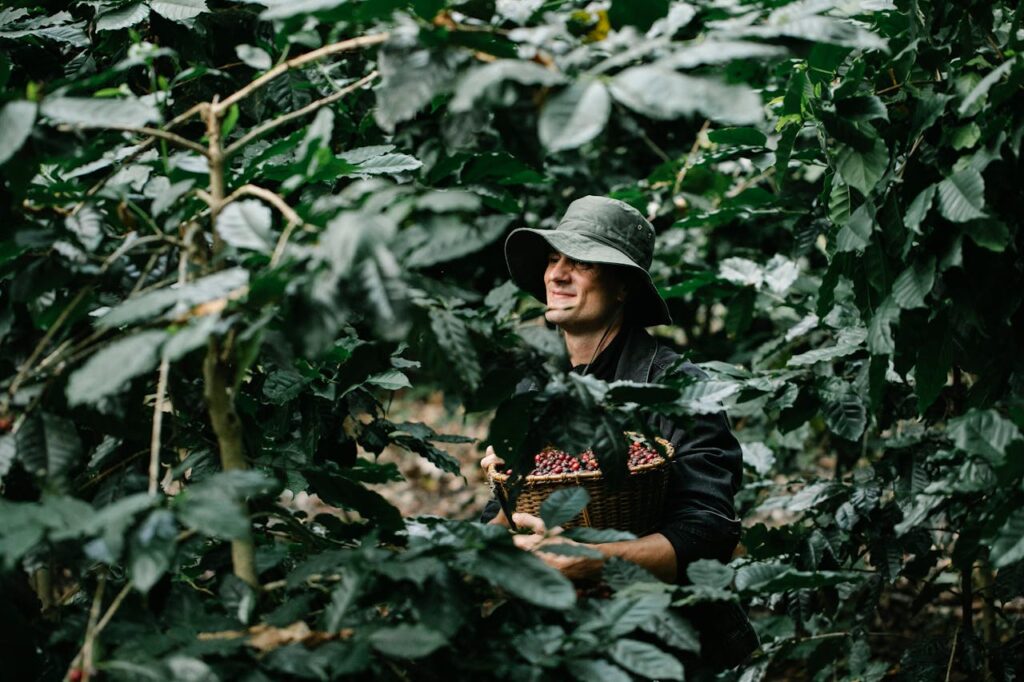
For example, imagine a farmer walking rows at dawn, tasting cherries and marking pick dates by touch. You can later taste that care in the clarity and complexity of your brewed panama geisha coffee compared to generic blends.
Compare this to a large estate—a mechanical harvester collects all cherries, ripe or not, leading to indistinct flavor. Micro-lots focus on detail; larger operations focus on volume. That’s a difference you can measure in the cup.
Selective Harvesting Scripts for Top Beans
Growers use a pick-by-pick approach, choosing only the ripest coffee cherries for each basket, sometimes visiting the same tree five times in a season. This isn’t just fussiness—it’s flavor curation in real-time, something a machine cannot replicate.
If a picker says, “Only the reddest, plumpest are for our geisha batch,” that’s a cue that manual precision was prioritized over bulk. Use this as a guide: ask your roaster about picking protocols—the more selective, the higher the micro-lot’s flavor ceiling.
The harvest script becomes visible in your mug. A neglected batch creates muddy or dull brews, while methodical selection ensures the lively signature of a true panama geisha coffee shines through, every time.
| Feature | Micro-Lot | Large Estate/Commercial | Next Step |
|---|---|---|---|
| Harvest Method | Hand-picked at peak ripeness | Mechanical or bulk picked | Choose hand-picked for flavor accuracy |
| Plot Management | Individual rows, small acreage | Dozens of acres, uniform approach | Favor single-origin lots to explore terroir |
| Flavor Spectrum | Distinct, vibrant, unique notes | General, blended, less defined | Seek out tasting notes before purchasing |
| Processing Attention | Careful, sometimes experimental | Standardized, risk-averse | Opt for micro-lots with new process trials |
| Traceability | Farmer, plot, and harvest listed | Generic region, multi-origin | Request specific origin info—it pays off in quality |
Decoding the Signature Profile of Panama Geisha Coffee
When you taste panama geisha coffee, you recognize a kaleidoscope of sensations—jasmine, bergamot, and even stone fruit. Understanding each element lets you appreciate the nuanced profile in a meaningful way.
Here’s how aficionados structure tastings to parse out these notes and what that says about the meticulous journey of micro-lot beans from soil to cup. Notice the crisp top notes—the floral aroma comes first—before savoring the layered sweetness.
Aroma Rituals
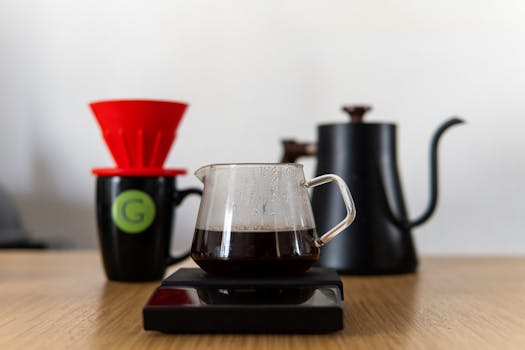
Brewing panama geisha coffee is ritual: pour hot water, breathe deeply, and note what emerges immediately. Many describe a perfumed lift, like walking into a garden after rain. This isn’t an accident—selective varietals and processing preserve delicate aromatics for just this effect.
- Start a tasting log and jot down your first impressions while the cup is still hot. This trains your palate to recognize new aromas in future micro-lot brews.
- Invite friends for side-by-side tastings, presenting two or three coffees and comparing floral or tea-like qualities. Rotate cups, note differences, and discuss standout features together.
- Pair the cup with a lightly sweet pastry, like almond biscotti, to highlight the sweetness in the coffee rather than hide it with heavy flavors.
- Ask your roaster about the precise varietal and process, then research what flavors that combination should feature. This makes each sip more intentional and informed.
- Photograph your setup and annotate the image with tasting notes using a phone app. This visual record makes differences memorable and encourages a mindful approach to all specialty coffee micro-lots.
Documenting tasting sessions adds clarity, helping you revisit your preferences the next time you buy beans online or in a local boutique.
Flavor Layering: Approach and Savoring
Begin each tasting by letting a sip rest on your tongue for three seconds, then exhaling through your nose. Subtle floral and citrus undertones reveal themselves this way.
- Pace your sips—rushed tasting hides the evolving flavors. Taking your time highlights dynamic notes as the coffee cools.
- Drink from a wide cup for more aromatic exposure, allowing nuanced scents to reach your nose more easily, boosting your perception of complex geisha micro-lots.
- Place plain water on the side to cleanse your palate, ensuring that persistent flavors don’t mask subtle shifts within the panama geisha coffee profile.
- Make a three-point scale—acidity, sweetness, finish. Rate each brew and keep notes for comparison. This method hones your palate and tracks your preferences over time.
- If the cup reminds you of Earl Grey tea or honeysuckle, note this specifically. Drawing clear analogies in your notes anchors new flavors and guides future purchases.
Savvy tasters benefit from slow, deliberate exploration, making each cup an education in micro-lot precision.
The Process that Preserves: From Picking to Drying
Every step in micro-lot handling shapes the final profile you enjoy. Applying these methods guarantees lively, layered flavors in panama geisha coffee—never flat or generic.
Start by seeking beans with transparent processing histories. People say, “Show me the drying beds,” not “Just give me what’s on the shelf,” when quality is the goal.
Washed vs. Natural: Side-by-Side Outcomes
Washed processing uses pure water to remove mucilage, giving panama geisha coffee a delicate, tea-like clarity. Farmers use small fermentation tanks and regularly taste test batches, mapping the process to maximize aroma.
Natural processing dries cherries whole, enhancing sweetness and jamminess. This hands-on approach needs constant turning and vigilant mold checks. A producer might set alarms to rotate cherries at midnight, chasing optimal sun exposure.
Comparing washed and natural process batches lets you decide what harmony of flavor suits your taste agenda—clean and bright, or juicy and lush. Visiting a roaster to request a side-by-side tasting teaches you to appreciate these differences firsthand.
Controlled Drying: Micro-Lot Safeguards
Drying on raised beds encourages airflow and prevents fermentation issues, locking in the signature notes of panama geisha coffee. Small teams stir and sort beans hourly, watching weather patterns closely to avoid moisture spikes, which could ruin the batch.
Think of controlled drying like tending to sourdough starter: attention and timing separate amazing results from forgettable ones. Skipping these steps leads to moldy or uneven flavors—never risk shortcuts with micro-lot coffee.
A checklist for buyers: ask about bed drying specifics, turn frequency, and weather management. If dealers hesitate to answer or lack these details, take your search to a producer who celebrates transparency. The payoff is consistently better flavor from every bag.
Conclusion: Choosing Micro-Lots for Depth, Transparency, and Flavor
Specialty coffee micro-lots offer more than impressive labels—they reveal the care and craftsmanship of each farm, and panama geisha coffee leads by example. Understanding sourcing, flavor rituals, and processing gives you practical tools to spot true quality in every bag or cup.
Shoppers and brewers who cherish lively, expressive cups prefer micro-lots for their traceable excellence and unique character. Prioritizing hand-picked, carefully processed beans rewards you with a more memorable and uplifting coffee experience, sip by sip.
Every time you select a micro-lot, you support growers dedicated to flavor, sustainability, and the storytelling power of panama geisha coffee. With every brew, you invest in quality—making every morning, and every conversation, richer and more intentional.
Frequently Asked Questions
What does “micro-lot” mean in specialty coffee?
A micro-lot refers to a very small, uniquely managed plot on a farm, with extreme attention to picking, processing, and tracking. These lots produce limited amounts of coffee, each with distinct flavor traits and true traceability.
How do micro-lots impact coffee flavor?
Micro-lots let farmers control every harvest and processing variable, maximizing clarity, sweetness, and complexity. Consumers experience vibrant, recognizable notes—like those found in panama geisha coffee—making each cup distinct from generic blends.
Why is traceability important for micro-lot coffees?
Traceability ensures you know where and how your beans were grown, picked, and processed. This transparency is crucial for choosing quality and supporting sustainable, ethical farming, as it links each cup to a specific farm and team.
Can you taste panama geisha coffee’s difference without professional training?
Yes—while experts use specialized vocabulary, anyone can identify panama geisha coffee’s floral and citrus notes by drinking thoughtfully and comparing multiple micro-lot brews. Document your impressions to develop a nuanced palate over time.
Is investing in micro-lot coffee worth the price?
Many find micro-lot coffees’ higher price justified by their rarity, quality, and direct farm support. Start with a small bag to see if the distinctive taste, aroma, and experience match your value for premium coffee moments.