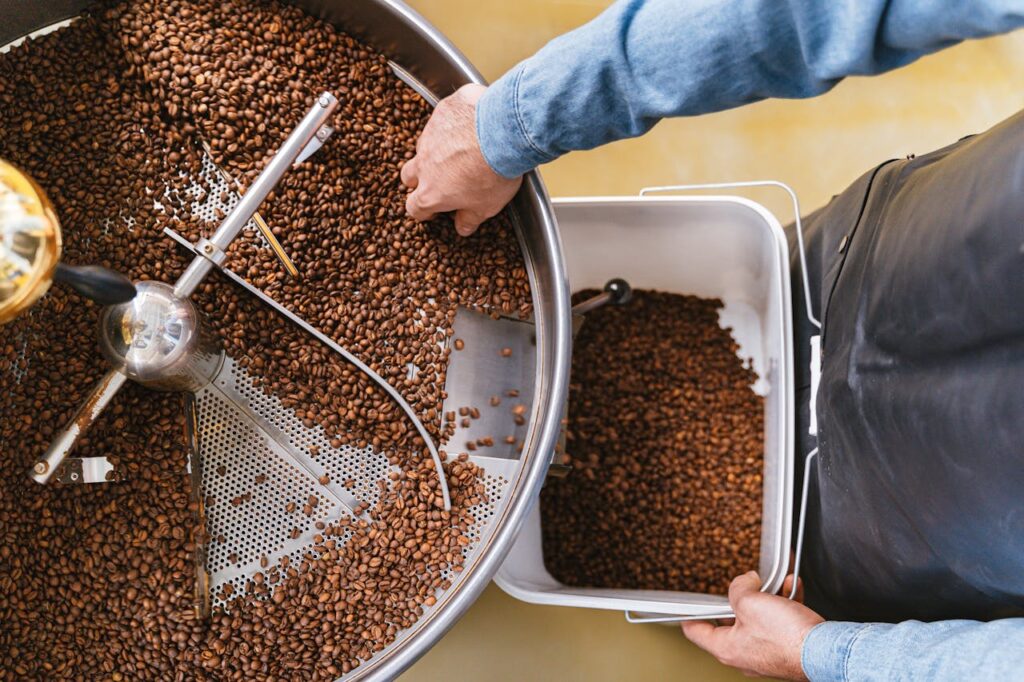
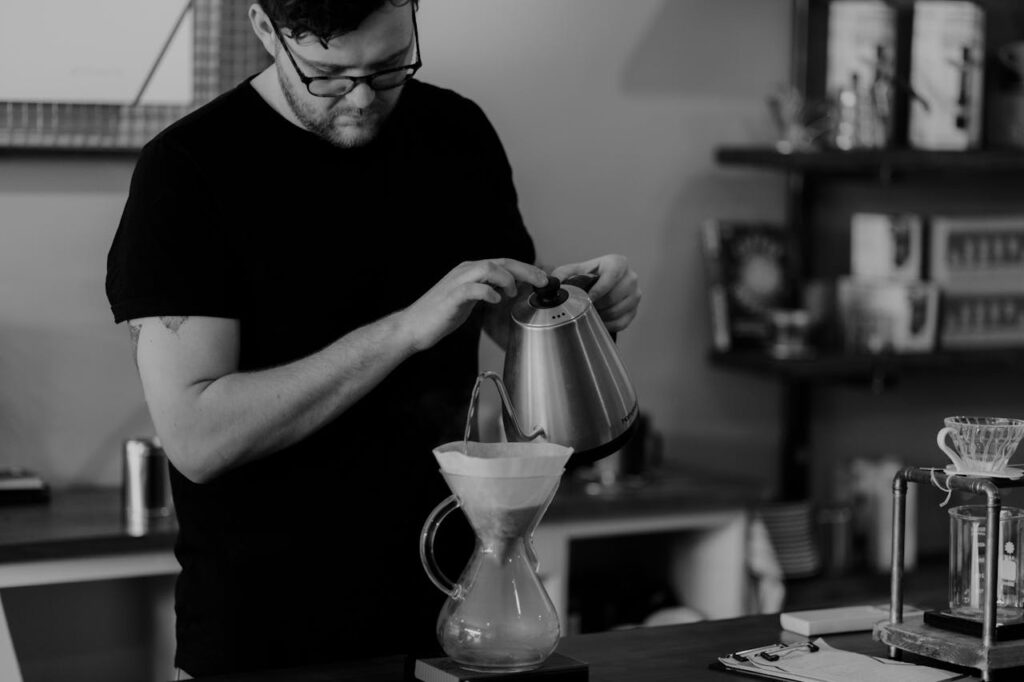
Imagine pulling out a bag of specialty coffee micro-lots and catching a whiff of gentle florals — jasmine, elderflower, or orange blossom. Suddenly, the right brewing tools take center stage, turning an extraordinary cup into a taste adventure. That’s the magic precise equipment brings to micro-lot coffees.
Specialty micro-lots are all about nuance and clarity. Complex floral notes get lost fast if brewing tools drown them out with muddled extractions or harsh chemicals. For those seeking delicacy in every sip, knowing which tools bring out these flavors makes a tangible difference.
If you’ve longed to truly taste the unique harvest of a rare batch, explore this guide. You’ll find brewing tools, mini checklists, step-by-step methods, and real-life scenarios so you can reveal your micro-lot’s most expressive floral notes from the very first pour.
Choosing Devices for Expressing Delicate Aromas
With a specialty coffee micro-lot, selecting the right brewing tools quickly reveals layers of floral character. The Aeropress, Hario V60, and Chemex all let fresh blooms shine when used with sensitive technique.
To choose wisely, match your device to the specific bean’s density and processing. A high-density Ethiopian washed micro-lot might demand the slower filter-drag of a Chemex. In contrast, natural-process beans with pronounced jasmine often suit the faster V60 approach.
When to Use a Pour-Over Versus Immersion Brewer
The V60 provides control over bloom, pulse pour, and extraction time. That control is essential when brewing micro-lots with subtle floral notes, delivering clarity without bitterness or muddiness. Use for high-altitude, fragrant lots.
Immersion brewers like the French press excel when you want heavier texture. For most floral micro-lots, though, the thick body can obscure those delicacies. Save them for nutty, chocolate-heavy batches instead.
Stick with pour-over tools when extracting teas, bergamot, or rose-like notes. Start with a gentle grind and slow spiral pouring — imagine swirling honey into tea instead of dumping it quickly.
Example: Dialing in the Aeropress for Lavender-Hued Panama Beans
Say you’ve found a micro-lot from Panama with whispers of lavender. Using brewing tools like the Aeropress, adjust time, grind, and water for pronounced, syrupy clarity. This means 1:15 ratio, 80°C water, one slow plunge.
If your floral coffee vanishes in muddled, sharp brews, check for: grind too fine, over-extracted, or water too hot. Fix these, and you’ll taste perfume-laden complexity — not bitterness. One tweak is worth three words of theory.
Picture a friend pairing the Aeropress recipe with a quiet morning and jasmine green tea. They notice the cup’s top aromas expand with gentle agitation. Try this method: swirl gently, stop as soon as resistance rises, and sip cooled.
| Device | Floral Profile | Ideal For | Pro Tip |
|---|---|---|---|
| Chemex | Clean, tea-like | Washed micro-lots | Use thick filters, swirl at finish |
| V60 | Bright, clear | Natural, high-fragrance beans | Pulse pour, center spiral |
| Kalita Wave | Balanced, layered | Honey-process with florals | Flat bed, even water |
| Aeropress | Syrupy, vibrant | Experimental batches | Lower temp, fast press |
| Siphon | Elegant, aromatic | Showcasing rare lots | Preheat, avoid boiling |
Precision Grinders: Creating a Floral-Focused Extraction
Adjusting grind size for micro-lots reveals hidden depth. Floral-focused extractions demand particles that are uniform and just coarse enough to allow delicate oils and aromatics to persist through pouring.
Choose a burr grinder if you want to explore subtle expressions of coffee flowers, as blade grinders create inconsistent fines, smothering clarity and nuance.
The Impact of Grind Consistency
Burr grinders produce repeatable, precise results. That’s why you’ll find specialty cafes calibrating grind daily, even hourly. Set your grinder coarse-moderate for washed micro-lots from Yirgacheffe and try adjusting by a half-step finer until jasmine appears.
- Dial in your grinder weekly; stick to minor adjustments to establish a baseline, keeping coffee micro-lot profiles consistent throughout the bag.
- Settle fines by sifting grinds in a spice strainer, which keeps extractions bright and smooth, perfect for floral notes.
- If florals still hide, switch to a slightly slower pour — this stretches contact time for better oil release.
- Don’t grind far ahead: micro-lots degrade in minutes. Always grind fresh to capture all nuanced aromas.
- Try two grind settings side-by-side — the difference in clarity for florals will be obvious.
A grinder test can be as simple as making two cups, one from pre-ground beans and one ground just before brewing, and directly comparing aroma and aftertaste.
Maintaining Equipment for Peak Flavor
Grinders must be cleaned weekly. Coffee oils and grit dull the ability to highlight delicate aromatics. Use a stiff brush and run grinder tablets through at least once a month for thorough maintenance.
- Brush burrs thoroughly to remove trapped grounds and oils.
- Inspect for chipped or worn burrs, which can crush or burn grounds and mask floral notes.
- Wipe exteriors, especially near chutes, so that stray particles don’t mix flavors.
- Reassemble carefully: misaligned burrs make for uneven extraction and loss of clarity.
- Keep grounds bin dry and sealed when not in use to prevent retained moisture that dulls the next extraction.
When everything is clean, brewing tools perform predictably, letting you dial in adjustments for each unique micro-lot with confidence.
Filter Media: Paper, Metal, or Cloth for Floral Clarity
The material and thickness of your filter, plus its fit in the device, determine what floats to the surface in every micro-lot batch. Paper, metal, and cloth all emphasize a unique aspect of floral flavors.
Paper filters (especially thick, oxygen-bleached ones) accentuate brightness, letting elderflower and jasmine shine with less texture. Metal and cloth allow more oils, raising body but shifting the floral impact.
Spotlight on Paper Filters
Thick paper filters, like Chemex or Kalita, trap almost all fine particles. This yields a clean, tea-like cup with high fragrance and sparkling, ephemeral floral notes. Pre-wet the filter to avoid papery flavors in your brew.
For best results with paper, always rinse thoroughly, even if the packaging claims it’s odorless. A good rinse keeps the mouthfeel light without added aromas. If you love hibiscus, pick this filtering style.
If florals seem distant, grind slightly coarser, use slightly cooler water, and pulse pour gently. Each change impacts how the coffee interacts with the filter, drawing out top notes instead of muting them.
Exploring Metal and Cloth Filters in Micro-Lot Brewing
Metal mesh filters allow delicate oils through, increasing mouthfeel and complexity but slightly blending floral and base notes. They’re ideal if you seek a richer overall experience without sacrificing unique aromatics from micro-lots.
Cloth filters strike a balance—bright but textured. They excel at retaining gentle florals with more body than paper. Always clean and dry them immediately after each use to prevent residue that clouds flavors.
The filter you select should match the micro-lot’s character. For a filter test, brew two cups side-by-side, one with thick paper, one with metal, and compare how lilac or orange blossom emerges between the two cups.
Water Variables: Chemistry and Temperature for Florals
Water acts as the carrier for every nuance a specialty coffee micro-lot can offer. Use brewing tools with precise control over chemistry and temperature, because these details unlock the perfumed notes unique to each harvest.
Use water mineral recipes favored by professional tasters to amplify floral brightness. Stripped-down, low-mineral water makes floral tones vivid but subtle. For more rounded results, try mid-mineral content water with custom water pitchers.
Water Temperature’s Flower-Revealing Impact
Brew between 88–92°C (190–198°F) for optimal floral extraction, using a thermometer kettle. Go lower for high-grown washed lots to amplify clarity. If jasmine or rose feels flat, nudge your temperature upward in 1°C increments for a test.
- Always heat water just before brewing so aromatics aren’t lost to cooling or prolonged heat exposure. Temperature drop dulls delicate notes quickly.
- If you notice soapy, overcooked aromas, your temperature may be too high—bring it down and test again.
- Mix filtered water with a touch of mineral drops to balance extraction. High-calcium waters blunt florals. Start with 70–90 ppm for delicate micro-lots.
- Use a digital TDS meter to monitor dissolved solids if you want to dial in consistently aromatic brews across batches.
- Practice timing: set a 90-second total brew time for maximum clarity, then extend or reduce in 10-second steps for flavor adjustment.
Water control isn’t just about what’s in the kettle – it’s the bridge between your micro-lot’s raw character and a delicate cup you love.
Custom Water Recipes: Mini Experiment Example
Try this for your next Kenyan micro-lot: Mix 2 parts distilled water to 1 part bottled spring water. Taste for intensity versus softness in the floral spectrum, and record your findings in a notebook.
- Write down how the cup’s top notes change with each batch. Focus on the first 10 seconds of aroma as you take a sip.
- If you detect more honeysuckle than rose, tweak your water blend by adding or reducing another splash of spring water.
- Repeat this side-by-side in two mugs: a direct side-by-side comparison is the fastest way to spot subtle differences.
- Give each resulting cup a simple score for clarity, texture, and floral aftertaste strength so you track your own palate changes.
- After a week of testing, you’ll know which water setup to reach for with each new micro-lot you discover.
Testing isn’t just for pros—these tweaks empower any coffee lover to fine-tune every brewing tool for their own unique floral journey.
Standards for Tasting: Setting Up Reliable Flavor Assessments
If your goal is to highlight subtle florals in specialty micro-lots, your tasting routine must be systematic. This doesn’t just help with comparison; it makes improvement possible every time you switch brewing tools or explore a new bean.
Document your variables: device, grind, filter, water, temperature, and pour method. Run flights of small cups, noting the instant impact of any change. Audibly describe—out loud if needed—the first whiff and linger after sipping.
Assessing with a Sensory Journal
People record aroma, first sip clarity, texture, aftertaste, and even body warmth. They sketch gradients, circle recurring notes (like jasmine, orange blossom, or bergamot), and update as they dial in tools weekly. These notes keep you honest and open to improvements.
For specialty cafes, this means regular cuppings with a standardized score sheet. At home, jot down batch number, device setting, and a few descriptive flavor words every session—building a personal archive of micro-lot floral profiles
If you “lose track,” compare pages to spot brewing tools or recipe changes linked to better or worse results. This concrete feedback loop builds your intuition and helps you troubleshoot quickly.
Realistic Scenario: Small-Group Floral Flavor Test
Imagine three friends, each bringing a different brewing tool and floral-forward micro-lot to share. They set up cups, record grind, filter, and water variables, then taste and rate results openly, using the same sensory vocabulary.
The first to remark on a particular aroma reads out the exact process they used. This collaborative approach sparks tips—”Try a rounder pulse pour,” or “Lower your water temperature by one degree.” Laughter and insights blend in every session.
Building a micro-lot tasting group doesn’t just improve individual skills; it fosters community and a shared quest to turn subtle florals into crowd-pleasing cups. The more you document, the better your palate gets, batch after batch.
Keeping It Fresh: Storage and Handling for Aroma Intensity
Micro-lot specialty beans live and die by storage. Air, moisture, and sunlight rob these beans of their most evocative top notes. Use airtight, opaque containers and store away from sharp-smelling foods or cleaning agents to preserve aromatics.
Use only as much as you need per session. When opening a bag, squeeze out air and reseal immediately—don’t let floral notes fade from too much exposure. Every step between roaster and brewer impacts brewing tools’ effectiveness at revealing micro-lot nuances.
Avoid refrigeration. Beans absorb moisture and odors rapidly in these conditions. Instead, keep them stable at room temperature and grind on demand for every brew to maximize clarity and fragrance in your floral-forward cup.
Stick to roasting dates within four weeks for micro-lots, and aim for use within ten days of opening. Don’t stockpile; buy small, fresh batches to ensure brewing tools are always working with vibrant material, not fading memories.
Conclusion: Embracing Micro-Lot Florals with Precision and Joy
Every brewing tool decision—grinder, filter, device, or water—can shift a floral micro-lot from flat to phenomenal. Attention to detail at each step lets you find aromas that might otherwise slip away.
Specialty micro-lots invite exploration. Every tweak of brewing tools, note in a journal, or water recipe tested reveals more of what made that lot unique. It’s an experiment worth repeating, each time you brew.
A precise yet playful approach to brewing tools keeps every cup fresh, fragrant, and inspiring. For anyone chasing micro-lot florals, the journey is ongoing—let curiosity and care shape your next unforgettable cup.
Frequently Asked Questions
What types of brewing tools are best for highlighting floral micro-lots?
The most effective brewing tools for floral specialty micro-lots are typically pour-over devices (such as the V60 or Chemex) and the Aeropress with precise recipes. These tools offer controlled extraction and clarity that lets delicate aromatics feature prominently.
How do grind settings affect floral notes in my coffee?
Using a consistent burr grinder and adjusting to a medium-coarse setting allows floral notes to shine, while minimizing bitterness. Too fine, and you risk over-extracting, which smothers delicate top notes with muddier, harsher flavors.
Should I use paper, metal, or cloth filters for floral clarity?
Paper filters (especially thick, well-rinsed varieties) offer the cleanest, most fragrant results for highlighting floral notes. Metal and cloth filters keep more oils and body but can subtly mask florals with more texture and heavier mouthfeel.
What water recipe enhances floral notes in specialty coffee?
Start with filtered water and aim for 70–90 ppm mineral content. Adjust temperature between 190–198°F (88–92°C), gravitating slightly lower for bright florals. Test two water blends side-by-side to determine which amplifies your bean’s specific floral character.
How should I store micro-lot beans to protect floral aromatics?
Store beans in airtight, opaque containers at room temperature, away from moisture, sunlight, or strong odors. Use within ten days of opening, grind only what you need, and never freeze or refrigerate micro-lots to preserve their delicate aromas.