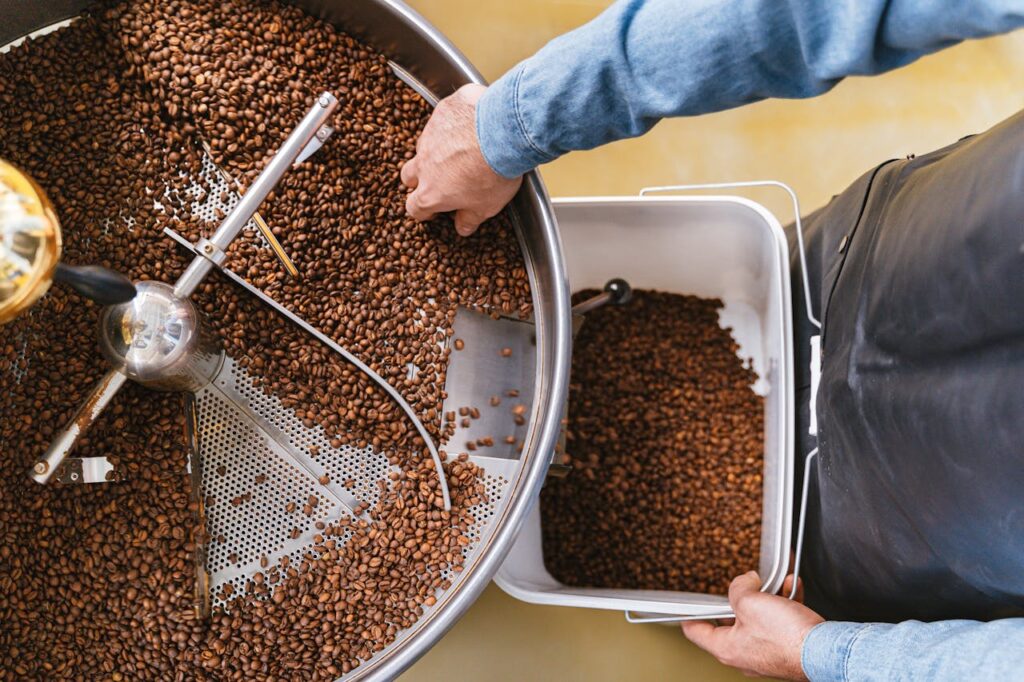
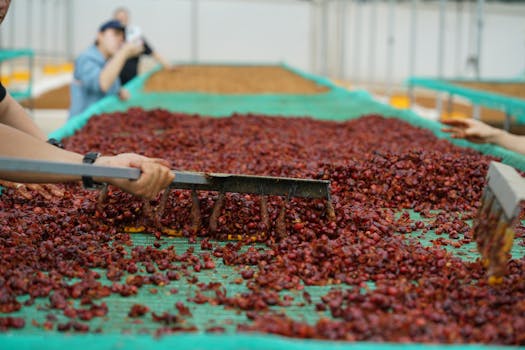
You know that feeling when a sip of coffee makes you pause? Specialty coffee micro-lots have started to surprise drinkers everywhere with unique tasting notes, thanks in part to processes like carbonic maceration shaking up tradition.
Specialty micro-lot coffees mean more transparency, flavor nuance, and creative freedom for producers. The growing curiosity about experimental fermentation methods explains why carbonic maceration is drawing attention from both coffee lovers and roasters seeking distinction.
This article dives into carbonic maceration, examining its impact on micro-lot flavor, practical examples, what you need to know if you buy or brew, and solid tips for appreciating these coffees at home or in a café.
Decoding Carbonic Maceration in Micro-Lot Coffees
Understanding the basics of carbonic maceration in coffee empowers any enthusiast to appreciate what goes into this process and why it’s making waves in specialty micro-lots today.
Carbonic maceration introduces a winemaking twist to coffee: ripe cherries are sealed in tanks with carbon dioxide, spurring unique anaerobic fermentation. This method transforms coffee’s character right from the farm.
What Actually Happens During Carbonic Maceration?
Producers place whole coffee cherries in stainless steel or plastic tanks, then fill the space with carbon dioxide. This low-oxygen environment fosters specific yeast and bacteria activity, influencing the bean’s final flavor profile.
The cherries remain sealed for several days, typically anywhere from 24 to 96 hours. This timeline varies depending on desired outcome, bean variety, and farm conditions—producers monitor closely, since a few hours can drastically alter the cup.
Once the target time is reached, cherries are removed and processed, usually using traditional washing or honey methods. But the fermentation step is what sets the stage for wildly distinctive results.
Telltale Flavor Profiles and Defining Results
Carbonic maceration in micro-lot coffees often results in unexpected notes: think tropical fruit, wine-like acidity, and floral top-notes not seen in conventional methods. The cup jumps from familiar to novel with each batch.
Coffee professionals track flavors emerging from carbonic maceration such as raspberry, bubblegum, or red wine. This process draws out sugars and creates aromatic compounds, intensifying sweetness and juicy character.
Drinkers spotting “carbonic maceration” on a micro-lot label know they’ll taste something singular. Baristas advise tasting slowly, with plenty of air swirling over the palate, to catch each layer as it reveals itself.
| Fermentation Method | Main Equipment | Flavor Effects | When to Choose |
|---|---|---|---|
| Washed | Washing tanks | Clean, crisp, bright acidity | Highlight classic regional flavor |
| Natural | Drying beds | Berry fruit, pronounced sweetness | Seeking jammy, fruity results |
| Honey | Patio, drying racks | Balanced, smooth, mild fruit | When balance is desired |
| Anaerobic | Sealed tanks | Complex acidity, bold aroma | For funk and floral interest |
| Carbonic Maceration | CO2-sealed tanks | Tropical, wine-like, aromatic | When novelty and uniqueness matter |
Identifying Key Steps to Achieve Consistency in Carbonic Maceration
Implementing carbonic maceration for micro-lots requires a precision-minded workflow. These coffees depend on careful decisions at every stage for reproducible excellence and food safety.
Every process stage—from cherry selection to fermentation and drying—has a profound effect on the outcome. Producers document variables and adjust based on observed results, making carbonic maceration a blend of art and science.
Building Repeatable Routines
Careful sorting of ripe cherries maximizes quality. Tanks must be sanitized, CO2 levels monitored, and temperature tracked. One overlooked step can invite off-flavors, so producers keep records and run multiple experiments each season.
- Select cherries only at peak ripeness; this prevents fermentation under- or overdevelopment and secures vibrant flavors.
- Fill tanks with food-grade CO2; always confirm there are no leaks to maintain true anaerobic conditions throughout fermentation.
- Track tank temperature every hour; small shifts cause big flavor differences, making real-time notes essential for replicating a winning profile.
- Sample coffee at timed intervals; tasting every 12–24 hours allows a hands-on gauge for progression and lets you halt or extend fermentation intentionally.
- Dry beans under shade or controlled airflow; uneven or rushed drying can flatten or destabilize the expressive results carbonic maceration unlocks.
Successful producers share fermentation logs with buyers, supporting transparency and connection while enabling future refinement batch by batch.
Troubleshooting Common Pitfalls
Recognizing early warning signs in carbonic maceration helps prevent costly losses or disappointing cups. Document every issue, and adjust protocols next season.
- Off-odors signal contamination; adjust tank cleaning routines and audit for broken seals to avoid repeat problems.
- Sudden spikes in tank pressure can mean fermentation is too aggressive; open tanks briefly to let gas escape or lower tank temperature slightly.
- Moldy or uneven drying signals poor airflow; spread cherries thinner on raised beds and use fans during humid spells to safeguard batch integrity.
- Unexpected fade in flavors is linked to improper bean storage post-process; only store in hermetic bags, away from heat, moisture, or light sources.
- Customer feedback is key; keep a log of tasting notes from each roast, noting brewing method and grind size to connect process tweaks with the end experience.
Constant learning keeps each harvest field fresh for creative carbonic maceration in micro-lot coffees.
Connecting the Farm, Roaster, and Coffee Drinker Experience
Bridging the journey from farm to cup with carbonic maceration encourages transparent communication and shared discovery. Every link in the micro-lot specialty coffee chain can foster more nuanced, memorable results.
Collaboration occurs as producers discuss variables with roasters, who relay those details to baristas and consumers, forming an ecosystem of open feedback and continuous improvement.
Farm-Level Communication Drives Quality
On the farm, producers build data sheets detailing every carbonic maceration batch: harvest date, tank timing, temps, and tasting impressions. These logs make clear what’s working and what’s not, serving as season-to-season guides.
Some producers send green sample bags to roasters, asking for feedback that can be poured right back into adjusting fermentation steps. This dynamic approach mirrors the trial-and-error nature of cooking, where a tweak can make or break a dish.
When green buyers request bespoke fermentation plans by reaching out with message templates like, “Can we extend CO2 time by 24 hours on Lot 5 for juicier acidity?”, that dialogue propels quality forward.
Roaster and Café Innovation
Roasters experiment with profiles that enhance carbonic maceration’s vivid flavors—using faster development phases or lower drop temps. Their goal is clarity rather than masking, spotlighting the coffee’s inherent attributes on bar menus.
Baristas brief teams about how a carbonic-macerated espresso shot will reveal subtle layers, often advising, “Let’s dial this in with slightly cooler water to stretch out the tropical notes.” Diners receive tasting guides and advice to enjoy the coffee slowly.
Some cafés create micro-lot flights, highlighting carbonic maceration selection side-by-side with natural and anaerobic lots. This allows customers to compare firsthand, developing their own sensory memory.
What This All Means for the Specialty Coffee World
Producers exploring carbonic maceration in micro-lots show what’s possible when tradition meets experimentation. Every harvest that pushes flavor boundaries increases options for roasters and drinkers season after season.
Carbonic maceration opens doors for dialogue, transparency, and creative expression in specialty coffee. The process bridges producers, roasters, and end consumers with shared stories and continuous learning on all sides.
Trying a carbonic maceration micro-lot isn’t just tasting something new—it’s participating in a global journey for new coffee experiences, one complex cup at a time. Savoring each sip, you’re witnessing progress in action.
Frequently Asked Questions
What does carbonic maceration mean in micro-lot coffee?
Carbonic maceration is a fermentation method where coffee cherries ferment in CO2-rich environments. It drives distinctive fruity, wine-like flavors, making unique lots prized by specialty roasters and cafés committed to offering noteworthy cups.
How does carbonic maceration differ from anaerobic fermentation?
Although both are oxygen-poor processes, carbonic maceration specifically applies carbon dioxide to influence flavor-active yeast and bacteria activity. This method tends to emphasize brighter fruit and floral notes compared to broader anaerobic techniques.
Are carbonic maceration micro-lots safe for home brewing?
Absolutely. These coffees undergo strict quality control at origin and roasting, with attention paid to cleanliness and food safety. Home brewers may notice more evolving flavors and aromas, best enjoyed through slow, mindful sipping and lighter brewing recipes.
What’s the best way to brew carbonic maceration micro-lot coffees?
Most experts recommend gentle brewing (pour-over, filter drip) at slightly lower-than-normal temperatures, such as 195-200 F. This showcases their delicate fruit notes, sparkling acidity, and layered sweetness without overwhelming their complexity.
Do all carbonic maceration coffees taste the same?
Not at all. Flavors depend on the coffee variety, fermentation duration, and drying technique, as well as the roaster’s choices. Every carbonic maceration micro-lot presents a distinct profile, offering endless possibilities for adventurous tasters.