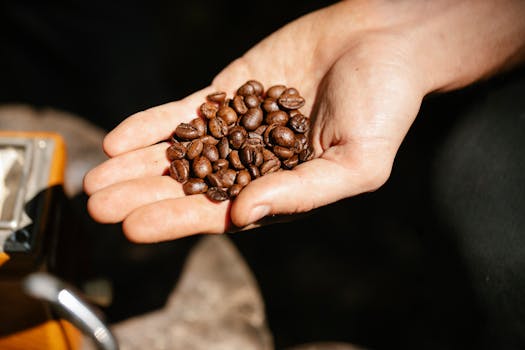
The nutty aroma of fresh coffee wakes up morning routines worldwide. On international coffee day, celebrating with micro-lot selections brings a special meaning to every sip and story shared at the cup.
Micro-lot coffee selections aren’t just rare—they’re a gateway to new flavors, farmer stories, and sensory adventures. Anyone seeking a deeper connection with their daily brew will find something memorable by exploring these unique beans.
Let’s dive into the world of micro-lot coffee in celebration of international coffee day. This guide will help you recognize, appreciate, and select distinctive offerings for a more thoughtful and flavorful coffee experience.
Spotting the Details: Identifying True Micro-Lot Coffees
Learning how to pick out authentic micro-lot coffees means getting a richer taste experience. Micro-lot beans are distinguished by traceability, unique flavor profiles, and impeccable sourcing methods.
Labels referencing international coffee day may highlight how these beans were selected or harvested. Authentic micro-lot batches are always about traceability—names, regions, and even harvest dates ensure transparency in your cup.
Checking the Label for Real Micro-Lots
Reading micro-lot coffee packaging is key to understanding what sets each selection apart. Look for the farmer’s name, plot coordinates, altitude, and the processing method to confirm the offering’s authenticity.
Some coffee shops or roasters, especially around international coffee day, showcase limited-edition micro-lots with detailed backstories. This information turns your morning coffee into a journey—one you can share with fellow enthusiasts.
Transparency signals integrity. If a micro-lot label gives specific harvest dates, cooperative ties, or flavor notes, you know you’re supporting a craft-focused process designed for appreciation.
Examining Flavor Notes on Micro-Lot Selections
Flavors in micro-lot coffees stretch beyond classic chocolate and nutty notes. Expect descriptors like honeydew, passionfruit, or roasted marshmallow—each hinting at the farm’s terroir and experimental methods.
Taste your coffee slowly to pick up on layers promised by the roaster or farmer’s notes. Side-by-side samplings help you notice what makes a micro-lot shine, especially when celebrating international coffee day with friends.
List flavors you taste and compare them against the packaging during your first sip. This fosters mindfulness and invites lively discussions with guests about which notes come forward in each cup.
Comparing Micro-Lot vs Regular Single Origins
| Feature | Micro-Lot | Single Origin | Do This |
|---|---|---|---|
| Batch Size | Small, under 25 bags | Large, multiple farms | Choose micro-lots for exclusivity and story |
| Traceability | Farm and plot-level | Regional or multi-farm | Read labels for exact source |
| Flavor Profile | Distinctive, unique | General, expected | Expect rare and surprising notes |
| Harvest Method | Handpicked, selective | Mixed, sometimes mechanical | Ask your roaster about harvest details |
| Price | Premium, reflects rarity | Moderate | Budget a little more for quality |
Building Your Own Micro-Lot Coffee Rituals at Home
You can celebrate international coffee day with personal coffee rituals centered around micro-lot selections. These rituals invite you to slow down, pay attention, and savor every aspect of your experience.
Start by choosing a dedicated time and space for brewing. Make it a point to use fresh micro-lot beans and track their origin, roast date, and tasting notes with each session.
Setting Up Your Coffee Tasting Experience
Create a relaxed setting—a bright window, a favorite mug, and a tidy counter space. Lay out your micro-lot options and plan to reflect on the differences between each origin.
- Select two micro-lot offerings so you can compare and contrast flavors; explanation: tasting two helps highlight unique notes, giving practical insights into what makes each lot special.
- Grind beans just before brewing for maximum aroma; explanation: grinding fresh makes subtle flavors pop, making your tasting session more rewarding and authentic.
- Keep a notepad handy for observations and preferred flavor notes; explanation: tracking results creates a personalized coffee diary you’ll reference on future international coffee day celebrations.
- Invite a friend or family member and share opinions; explanation: dialogue sparks discovery and diversifies what you notice in each micro-lot selection.
- Brew with consistent measurements each time; explanation: consistency lets you attribute differences in taste to the bean, not your technique.
As you complete each tasting, write three positive impressions from each cup. Over time, these notes become a map of your personal preferences.
Infusing Mindfulness into Your Morning Brew
Transition mornings from autopilot to intention by focusing on your senses when brewing micro-lot coffee. Pause and inhale the ground aroma, noting what memories or flavors come to mind.
- Take slow, deep breaths after grinding beans; explanation: breathing helps you register subtle scents and sets a calm tone for the day.
- Notice the sound of water boiling and pouring; explanation: sensory focus heightens presence, anchoring you in the moment and making the ritual special.
- Observe the coffee blooming as you pour hot water; explanation: watching the bloom shows freshness and invites you to marvel at each micro-lot’s qualities.
- Journal how you feel after each sip; explanation: reflecting reveals how different micro-lots influence your mood or focus, deepening appreciation.
- Limit distractions by putting devices away; explanation: uninterrupted moments let you savor micro-lot nuances you might otherwise miss.
Over days, mindful practices sharpen your palate and enrich your enjoyment of every international coffee day.
Sharing Micro-Lot Selections with Friends: Practical Steps for Tasting Events
Hosting a micro-lot tasting event lets you turn international coffee day into a shared ritual. Gather friends for a flavor-filled, interactive exploration of rare beans and their stories.
Start by setting expectations: let guests know you’re featuring micro-lot coffees with specific backstories. Sharing the farmer’s name or origin kicks off your hospitality and guides the experience from the first pour.
Designing Invitations and Setting the Mood
Personal invitations make coffee tastings feel intentional and welcoming. Send a short message saying, “Join me for an international coffee day micro-lot tasting—let’s explore new flavors together.”
Arrange a simple tasting table with clean mugs, tasting spoons, and cards describing each micro-lot. Small touches, like arranging single stems in a vase, make it memorable without fuss.
Choose curated background music that matches the mood—soft jazz or acoustic—so guests talk easily as they discover and compare their favorites.
Guiding the Tasting Conversation
Use scripted prompts like, “What’s the first flavor you notice?” or “How does the aftertaste linger?” Encourage everyone to speak, emphasizing that all impressions are valid.
If someone struggles, offer comparisons: “Does this bean remind you of a fruit or a spice?” This helps shape vocabulary and makes the process fun, not intimidating.
Share your own discoveries, even surprises: “I’ve never tasted blueberry like this before.” Make it clear you’re all exploring together, which deepens group connection over time.
Making the Most of Rare Finds: Storing and Preserving Micro-Lot Quality
Maintaining micro-lot coffee’s freshness means your international coffee day ritual is always special. Storage and mindful brewing protect flavors, making every cup a celebration of rarity and craft.
Store whole beans in a cool, dark place—never in the refrigerator where humidity degrades flavor quickly. An airtight, opaque canister helps keep micro-lot batches bold, aromatic, and ready for your next brew.
Coffee Storage Tips for Micro-Lot Beans
Immediately after purchase, transfer beans to a dedicated container. Avoid scooping directly from the bag to reduce air exposure and slow oxidation, preserving nuanced notes unique to micro-lots.
Resist freezing unless you plan long-term storage (over three months). In this case, portion beans into small bags, vacuum-sealed if possible, so each thawed batch maintains freshness.
Track the roast date and set a reminder to use the beans within four weeks. This calendar prompt ensures you enjoy micro-lot selections at optimal flavor during international coffee day festivities.
Managing Portion Sizes and Grind Consistency
Weigh beans before grinding instead of eyeballing amounts. Consistent measurements ensure you taste the producer’s intended profile, avoiding missteps that dull the unique qualities of each micro-lot.
If you use varying brewers—like Chemex for clarity or AeroPress for body—keep grind size changes logged. A simple note with bean name, date, and grind setting helps you repeat successes or refine your process.
Sharing these insights with friends adds another layer of appreciation to group tastings, reinforcing what each micro-lot brings to the table on international coffee day.
Exploring Global Micro-Lot Traditions Through Tasting Journals
Building a tasting journal fosters a lifelong appreciation for international coffee day and micro-lot selections. Recording each experience makes comparisons easier and helps you spot trends in your evolving preferences.
Allot one page per micro-lot. Record origin, process, and your impressions. Over time, flipping back reveals how your palate responds to changes in roast, processing, or even the seasons.
Journaling Methods for Everyday Coffee Drinkers
Start with a basic format: “Date, coffee name, origin, processing, roast level, aroma, first sip, finish, mood.” This lends structure and makes tasting less intimidating even for newcomers.
Write stream-of-consciousness: “Berry up front, then honey, turns floral. Like spring.” Embrace raw impressions—they capture genuine reactions and build your descriptive confidence by the next international coffee day.
Rate beans using a simple scale—such as 1 to 5—for attributes like brightness, sweetness, and aftertaste. This quantifies preferences and guides future micro-lot purchases or recommendations to friends.
Tracking Seasonal Shifts and Scarcity
Micro-lots rotate quickly. Journals help you notice seasonal releases tied to international coffee day or harvest periods. Mark beans you’d buy again, and flag those meant for sharing during special moments.
Include details about group tastings. For example, “Everyone thought this tasted like caramel. Served with apple tart. Lively conversation followed.” These vignettes build a narrative you’ll remember fondly.
Photos or bag labels pasted into your journal add a visual chronicle. When flipping back, you relive past international coffee day celebrations and pick up on patterns in sourcing or flavor discoveries.
Inspiring Future Coffee Journeys with Rare Beans and Rich Connections
International coffee day traditions rooted in micro-lot appreciation give you more than great cups—they foster relationships with farmers, roasters, and fellow coffee fans over shared discoveries.
Trying rare offerings introduces you to new brewing styles, flavor territories, and the values of sustainability and craftsmanship. On this journey, a single micro-lot can mark a turning point in how you savor your morning.
As each international coffee day arrives, reach out to your favorite roasters for new micro-lot releases. Consider making it a tradition to host tastings, journal your impressions, and invite newcomers into the fold.
Frequently Asked Questions
What exactly defines a micro-lot coffee?
Micro-lot coffee comes from a single farm, sometimes a specific portion of that farm, and is harvested and processed separately. Traceability, unique flavors, and limited availability set it apart from other beans.
How do I store micro-lot beans for peak freshness?
Keep beans in an airtight, opaque container away from heat, light, and moisture. Avoid the fridge. For long-term storage, freeze beans in small vacuum-sealed bags.
Why does international coffee day feature micro-lot selections?
Micro-lots symbolize craftsmanship and direct impact, connecting consumers directly with farmers. Celebrating international coffee day with micro-lots highlights quality, fair practices, and unique flavor journeys.
Can I create a meaningful coffee ritual with limited time?
Yes, even short pauses and mindful sips add intention. Brew with focus, savor the aroma, note flavors, and jot down a quick impression. Micro-lots lend themselves well to slower, rewarding moments.
What’s the easiest way to invite friends to a micro-lot tasting?
Send a casual text: “Try rare coffees on international coffee day?” Prepare simple info cards, share thoughts during each tasting round, and keep the mood light and inclusive so everyone feels welcome.