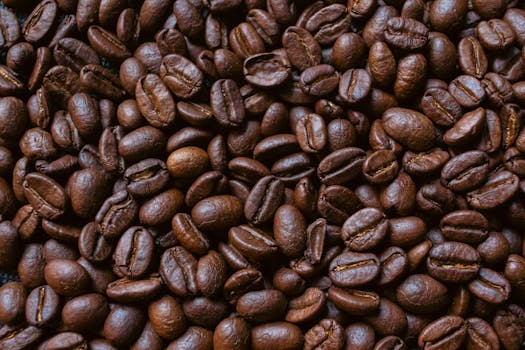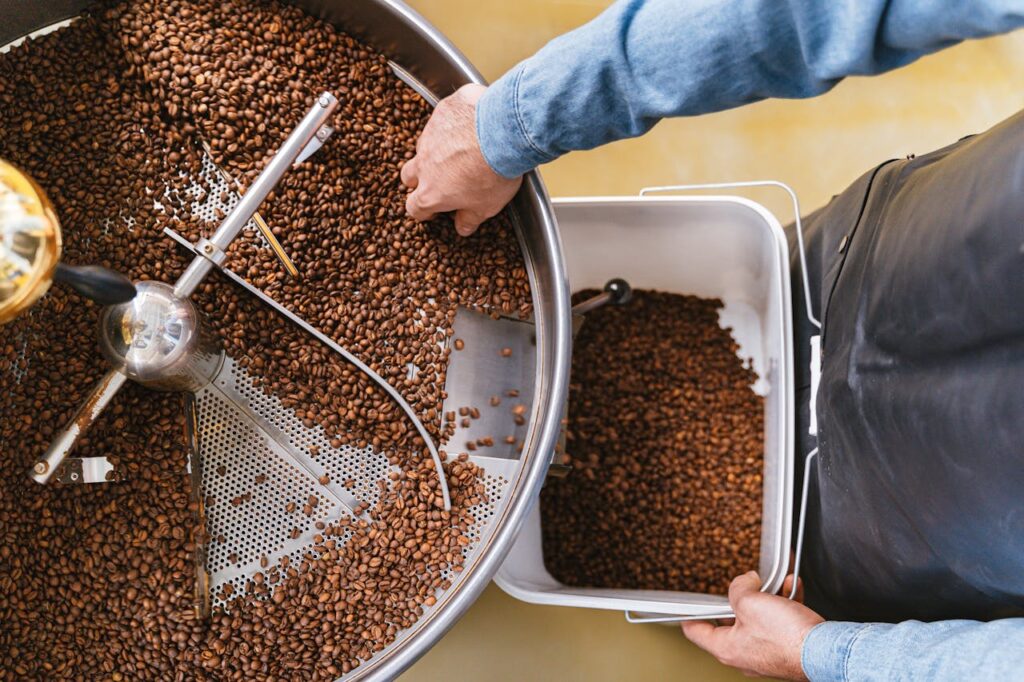
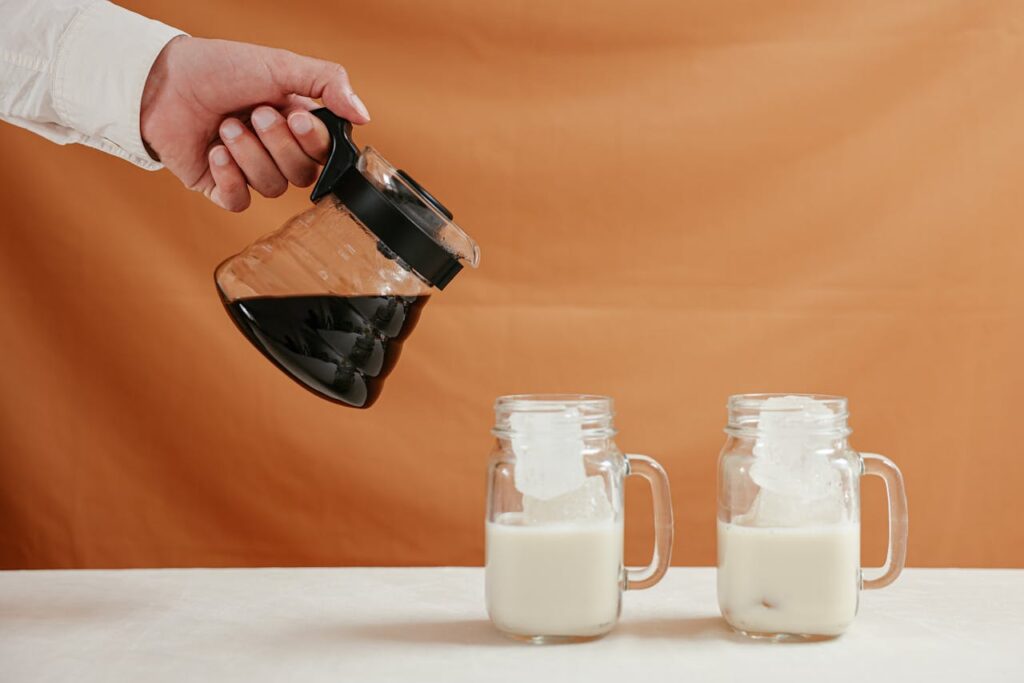
Rare coffee beans, handled with care, spark excitement for specialty coffee fans. When those beans transform into cold brew coffee, expectations run high—there’s an allure in the mix of cool, smooth textures and nuanced flavors. Every specialty coffee micro-lot seems like it deserves a spotlight, especially in the cold brew scene.
Specialty micro-lots have a way of making regular mornings feel special. People reach for cold brew coffee hoping to pull unique, vibrant notes from beans sourced and roasted with precision. The result should honor each bean’s backstory: climate, soil, and process.
But can cold brew coffee, a style known for mellow extraction and extended steeping, really do justice to these rare, nuanced beans? Let’s dive into this question and uncover how specialty micro-lot beans hold up in the world of cold brew—and what matters most along the way.
Evaluating Extraction: What Cold Brew Brings Out in Micro-Lot Beans
When you use specialty coffee micro-lots for cold brew coffee, you experience extraction differently than with hot brewing. The slow, gentle method influences which flavors make it into each glass.
Many coffee lovers report that cold brew coffee enhances smoothness. Yet, this style can mask sharp acidity and some delicate aromas, especially those prized in rare micro-lots.
Exploring Acidity in Cold Brewed Micro-Lots
With cold brew coffee, acidity takes a backseat. Fans seeking those lively, bright notes from high-altitude micro-lots may notice them dialed down, nearly absent in the final cup.
If you’re a fan of tangy fruit or citrus highlights, the cold brew method might flatten that sparkle. The process forces other bean qualities to shine, like caramel, cocoa, and nut tones.
Try it: use a juicy, washed Ethiopian micro-lot for a cold brew. You may taste sweet, tea-like flavors rather than the vibrant lemon you’d expect from hot brewing.
Comparing Aromatic Profiles
Specialty micro-lot beans have alluring, layered aromas—jasmine, bergamot, tropical fruit—that hot extraction easily releases. With cold brew coffee, extraction is slower, so aromatic oils show up gently, sometimes faintly.
A creative approach is to coarsely grind and bloom beans with a touch of warm water before the cold steep. This can tease out subtler aromatics in rare beans.
Those invested in the scent journey of coffee notice that cold brew underplays florals and volatile aromatics. Cold steeping tends to favor heavier, dessert-like tones.
| Aspect | Hot Brew with Micro-Lot | Cold Brew with Micro-Lot | Takeaway |
|---|---|---|---|
| Acidity | Bright, lively | Subdued, gentle | Pick cold brew for chocolatey or low-acid profiles |
| Aroma | Complex, layered | Light, subtle | Bloom with warm water to release more aroma |
| Sweetness | Balanced, nuanced | Pronounced, smooth | Cold brew spotlights sweetness in micro-lots |
| Body | Crisp, clean | Thick, velvety | Cold brew showcases plush textures |
| Bitterness | Controlled, bright | Minimal, mellow | Cold brew reduces bitterness dramatically |
Choosing the Right Beans and Recipes for Cold Brew Perfection
A carefully chosen recipe and coffee variety can make all the difference for cold brew coffee. Picking the right micro-lot sets the stage for a great result.
Always select beans with chocolate, stone fruit, or deeper spice notes. Cold brew coffee brings these flavors forward, while micro-lots known for floral or acidic sparkle might seem flat.
List of Practical Tips for Maximizing Flavor
- Use medium or light-medium roast micro-lots for balanced sweetness and clarity, avoiding oily, dark beans that dominate with bitterness.
- Grind your coffee slightly coarser than for a French press, ensuring clear extraction and easy filtration for cold brew coffee.
- Steep for 12 to 18 hours in cool, filtered water; a shorter time highlights brightness, while a longer time creates syrupy depth.
- Experiment with the coffee-to-water ratio for cold brew coffee: try 1:7 for a concentrate or 1:12 for a ready-to-drink style.
- Filter twice to remove fine silt. Clean, crisp cold brew coffee lets rare bean nuances show through.
The best cold brew starts with intention—from choosing the micro-lot to adjusting recipes for clarity and depth, each step contributes to honoring the bean’s story.
Specialty Methods for Highlighting Micro-Lot Nuances
Some cold brew fans incorporate creative techniques, like adding a pre-infusion hot bloom for 45 seconds—this amplifies subtle florals and fruits in light, washed micro-lots.
- Add a touch of mineral-rich water to your recipe, which can enhance fruit and floral notes in select beans.
- Use a metal mesh filter instead of paper for added body and lingering mouthfeel in cold brew coffee.
- Taste at multiple steeping points and stop when you find the sweet spot; this lets you fine-tune vibrancy in rare micro-lots.
- Try single-cup steeping with agitation, shaking gently every few hours to speed up and refine extraction in cold brew coffee.
- Sample side-by-side with hot-brewed and cold-brewed to experience exactly how each method honors—or hides—your micro-lot beans.
With rare beans, a little experimentation delivers the most accurate picture of their full character in a cold brew coffee format.
Honoring Origin: Cold Brew That Celebrates Micro-Lot Terroir
To showcase origin, tune the cold brew process to your specific micro-lot. Think of each batch as an opportunity to share the unique terroir story behind your beans.
Every specialty micro-lot offers a one-of-a-kind flavor print—wet, volcanic soils yield earthiness, while high-altitude sun creates fruit-forward brilliance in your cold brew coffee.
Narrating Place With a Sip
When friends gather and you pour rare micro-lot cold brew coffee, start with the backstory—describe the farm, the processing, and the cup profile you want them to taste.
A Colombian Pink Bourbon micro-lot, for example, can display raspberry and floral notes—add brief notes to each glass and encourage slow sipping to spot these nuances.
Guests will be more mindful, tuning into flavors with each gentle sip. This echoes a wine tasting, which puts origin and vintage in context from the first pour to the last drop.
Pairing Foods to Enhance Origin
A simple pairing can reinforce the unique flavor traits of your rare micro-lot. With a bright, fruit-forward cold brew coffee, choose contrasting pastries or sharp, aged cheese for a fresh angle on taste.
A nutty Ethiopian cold brew finds new depth alongside dark chocolate or dried apricot, which spreads sweetness and highlights the bean’s profile distinctly.
Bonus: Write a small card for each pairing with origin notes. Guests can trace back the flavor and place of the micro-lot, strengthening their appreciation for the coffee’s journey.
Conclusion: Assessing Justice for Rare Beans in Cold Brew
Specialty coffee micro-lots in cold brew coffee bring fresh possibilities—but also a shift in what stands out from bean to cup. The right process, bean selection, and serving style all influence outcome.
When you spotlight caramel, nut, and plush sweetness, cold brew coffee absolutely honors rare beans—especially those geared toward comfort and complexity. Yet, those craving a showcase of vibrant acidity may find better joy in hot brewing.
The key is curiosity and care. Let your process honor the story behind each specialty micro-lot, and choose the method that brings your favorite elements to life—cold or hot, you hold the power to do rare beans justice.
Frequently Asked Questions
Can I use any specialty micro-lot for cold brew coffee?
Most micro-lots work for cold brew coffee, but those with prominent chocolaty, nutty, or caramel notes excel. Light, floral varieties may lose their complexity with cold extraction, so experiment mindfully.
How should I adjust grind size for micro-lot beans in cold brew?
Use a coarse grind slightly larger than French press grounds. This ensures even extraction and minimizes bitterness, allowing more clarity and sweetness from your rare beans in cold brew coffee.
Is there a way to keep delicate aromas in cold brew coffee?
A short, hot bloom with just-off-boil water (under 45 seconds) before cold steeping helps release delicate aromatics trapped in specialty micro-lot beans, adding nuance to your cold brew coffee experience.
What ratio of coffee to water works best with specialty micro-lots?
Start with a 1:12 ratio for ready-to-drink or 1:7 for concentrate. Adjust based on bean density and flavor intensity—denser, flavorful micro-lots can handle a higher ratio and bolder flavor.
How can I ensure my cold brew coffee lets micro-lot flavors shine?
Keep your equipment clean, filter your brew twice, and select micro-lots renowned for sweetness and full body. Compare the results to a hot brew to find which style suits your chosen bean best.