Savoring a cup of specialty coffee from a micro-lot can transform a routine moment into a sensory adventure. As you swirl the liquid and breathe in the aroma, coffee tasting unfolds layers of flavors unique to each batch. This practice rewards curiosity and attention, just like sampling fine wine or craft chocolate.
The world of specialty coffee micro-lots is packed with complexity. Small farm lots yield beans with distinctive profiles, shaped by terroir, variety, and process. Appreciating their subtlety through coffee tasting helps you celebrate the craft and connection in every cup.
Explore the essential skills and strategies of mindful coffee tasting in this guide. Whether you’re new to micro-lot coffees or seeking to refine your taste memory, these concrete tools will elevate your daily experience. Let’s embark on a journey full of flavor and discovery.
Building Sensory Awareness for Micro-Lot Coffee Tasting
Identifying more notes in your coffee tasting begins with sensory training. You’ll develop awareness by tuning into the coffee’s aroma, body, acidity, and aftertaste—attributes rarely found all together outside specialty micro-lot beans.
Focusing your attention on each element lets you map out flavors precisely. Start with observation, then compare: Does this micro-lot taste more floral or more nutty? Your goal is to describe what you truly perceive, not what you expect.
Smelling as the First Step
Bring your nose close to the cup and inhale gently. Distinct micro-lot coffees reveal unique scents—some citrusy, others woody, or reminiscent of flowers. Take notes with descriptive words as if you’re sketching the aroma for a friend.
Compare the fragrance when the coffee is dry, freshly ground, and once brewed. This sequence deepens your appreciation of the coffee’s journey, reinforcing mindful tasting in each step.
If certain scents trigger memories—like an orchard after rain—write that down, too. These associations become shortcuts for future coffee tasting evaluations of micro-lot selections.
Sipping to Capture Flavor Nuances
Take a small sip and let it roll across your tongue, coating every taste bud. Micro-lot coffees highlight vibrant acidity, syrupy sweetness, or velvety balance—sometimes all together in a single cup.
Describe specific tastes as you would explain fruit to a child. Instead of sweet, say honey-like or brown sugar. Instead of bright, try tangerine, raspberry, or even herbal. Precise language enhances each coffee tasting session.
Over time, keep a log. Note down how the flavors shift as the cup cools, and you’ll start linking flavor notes to origin, process, and roast style across micro-lots.
| Attribute | Micro-Lot Example | Descriptive Language | Next Step |
|---|---|---|---|
| Aroma | Washed Ethiopian | Jasmine, Lemon Zest | Note the vividness, compare dry and brewed |
| Acidity | Kenyan SL28 | Juicy, Grapefruit | Describe tartness on tongue’s edge |
| Sweetness | Natural-Process Colombia | Berry Syrup, Raw Sugar | Identify at the cup’s midpoint |
| Body | Sumatran Micro-Lot | Creamy, Earthy | Assess thickness and weight |
| Aftertaste | Geisha Panama | Long, Floral Finish | Check lingering notes after each sip |
Creating Your Personalized Flavor Map
Mapping flavors is a repeatable process you can use for every coffee tasting. By charting the traits of micro-lot cups, you form personal benchmarks to compare future brews.
Begin each session with a clean palate and clear intentions. Write down the first three flavor impressions, then revisit them as your understanding of micro-lot coffees deepens.
Flavor Wheel Navigation
Pick up a specialty coffee flavor wheel, which visually organizes hundreds of tasting notes. Place the wheel beside you and, after each sip, point to the descriptor that matches.
- Start at broad categories like “Fruity” or “Nutty”—this helps build confidence, especially for those new to micro-lot coffee tasting.
- Move to specific notes, such as “Plum,” “Cocoa,” or “Rose”—these granular choices sharpen your palate and make each session memorable.
- Record unusual flavor discoveries like “sage” or “black tea” under a separate heading. Oddities distinguish rare coffee micro-lots and refine your memory.
- Repeat this cycle across different origins, varieties, and process methods so comparisons become instinctive.
- Finish each tasting with a quick review of your wheel entries. Over time, you’ll notice patterns unique to micro-lot coffees you favor.
Writing these down keeps your coffee tasting habit consistent and personalized, building a unique tasting trail with every session.
Building a Reference Collection
Collect samples of foods and spices that echo micro-lot coffee notes—almonds, dried berries, citrus peels, and chocolate. Smelling and tasting these alongside your brew cements real-world connections to tasting terms.
- Store reference jars labeled by aroma or taste group—such as “stone fruit” or “spice”—to sample before your next coffee tasting session with a micro-lot brew.
- Share these samples with friends. Comparing impressions expands your sensory vocabulary and makes tastings more interactive.
- If uncertain about a flavor, try directly tasting the ingredient. This calibration sharpens your ability to recognize micro-lot nuances and bridges gaps in your palate.
- Add new references each month to prevent stagnation. Stay curious, and your sensory skillset will keep evolving with each coffee tasting adventure.
- Document unexpected parallels between foods and coffees: for instance, “the Sumatran reminded me of dried fig and clove.” Discoveries like these keep you engaged.
Over time, this collection becomes an essential toolkit, grounding your micro-lot coffee tasting in real, memorable experiences.
Practicing Focused Tasting Rituals
Adopting a focused ritual gives structure to your coffee tasting—even at home. Designate a quiet space, free of distractions, before you evaluate a new micro-lot. Every detail, from cup to lighting, can enhance the sensory experience.
Approach the session as you would wine or whisky tasting: carefully, intentionally, and with a sense of purpose. By repeating the same steps, you reinforce sensory memory and expectation with each micro-lot cup.
Setting the Scene for Success
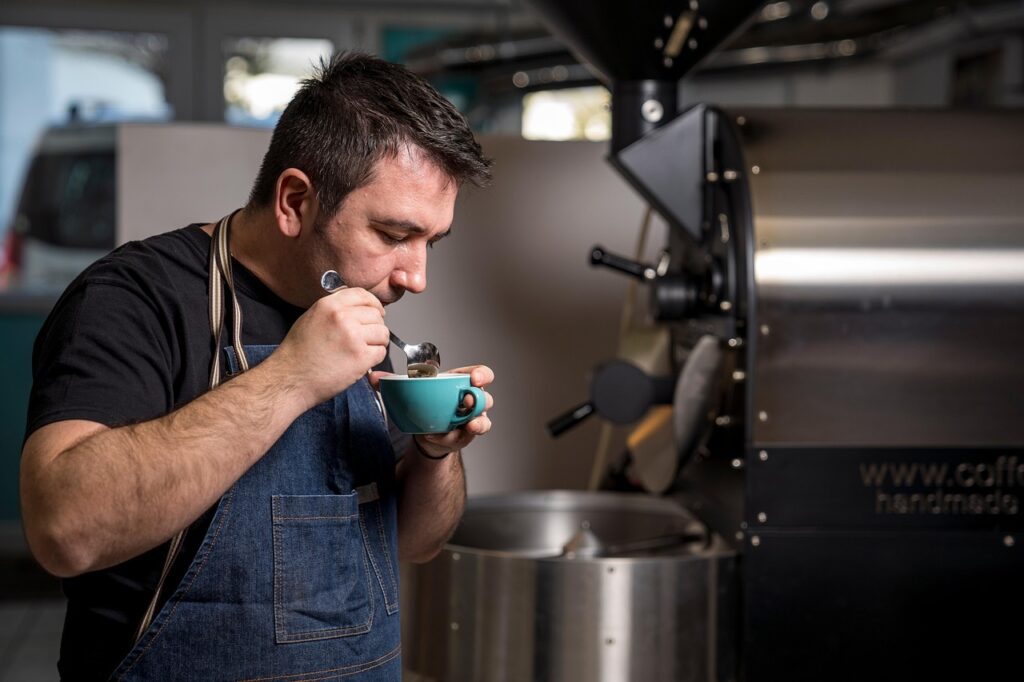
Lay out your tasting tools—a cupping spoon, ceramic cups, tasting wheel, and notebook. Clean utensils prevent flavor contamination, allowing precise notes for each micro-lot brewed.
Natural daylight brings out subtle differences in brew color and clarity. Position yourself near a window or under neutral white lights for the truest visual cues. This supports consistent observations, especially during comparative coffee tasting sessions.
Avoid perfumes or strong-smelling foods nearby. Keep your senses clear so the full spectrum of micro-lot flavors comes forward, undisturbed by outside influences. This respect for the process turns each coffee tasting into a mindful ritual.
Consistency Yields Confidence
Follow the same sequence every time: sniff, slurp, ponder, write. This practice trains your brain to cue in on evolving flavors and ensures no tasting note gets lost, particularly in complex micro-lot coffees.
Use the same pour-over method and similar grind size. Control variables so flavor shifts come from beans, not brewing fluctuations. Consistency helps you attribute differences correctly in every coffee tasting session.
Log your notes after each cup, capturing first impressions and any flavor changes as the brew cools. Regular logging builds up a trove of flavor stories unique to your micro-lot journey, deepening your relationship with each cup.
Conclusion: Integrating Mindful Coffee Tasting Into Daily Rituals
The concrete steps above give structure and intention to every coffee tasting. You’ve developed skills for aroma, flavor mapping, ritual, and documentation—each essential for truly appreciating micro-lot specialty coffees in daily life.
Staying present for each tasting session brings more than sensory pleasure. Micro-lot coffees become stories and experiences worth sharing, deepening bonds within your community and with farmers whose labor shines in each cup.
Carry these mindful habits into your morning or afternoon pauses. Treat each coffee tasting as a chance to reflect, learn, and reconnect—until even the simplest brew feels like a new discovery.
Frequently Asked Questions
How is micro-lot coffee different from regular single-origin coffee?
Micro-lot coffee comes from specific, small farm plots, sometimes just one row of coffee trees, while regular single-origin may blend beans from a larger region. This focus on tiny lots produces highly distinctive flavor profiles for specialty coffee tasting.
Do I need special equipment for at-home micro-lot coffee tasting?
You can start with a good grinder, a scale, and a cupping spoon. Cupping bowls and a flavor wheel are helpful but not essential. Clean utensils and note-taking matter most for meaningful micro-lot coffee tasting.
What is the best way to describe what I taste in micro-lot coffees?
Start with broad categories like fruity, floral, or nutty. Narrow down to specific fruits or flowers as you gain confidence. Using a flavor wheel or comparing with reference foods helps accuracy during coffee tasting sessions.
Can micro-lot coffee tasting improve my brewing skills?
Yes, paying close attention during coffee tasting shows how small changes in grind, water temperature, or brew time affect the cup. These insights help you optimize brewing for each new micro-lot purchase.
Why do micro-lot coffees change flavors as they cool?
Temperature affects aromatic compounds differently. As a micro-lot coffee cools, certain acids and sugars become more noticeable, revealing new layers. Tasting throughout the thermal range gives a fuller profile each time you taste.