Picking up a freshly brewed cup of micro-lot coffee reveals subtle flavors with surprising clarity. Midway through that nuanced sip, double soaking—steeped in specialty coffee circles—proves itself as far more than a quirky detail.
Coffee enthusiasts and professionals find this process transformative because it creates clean, lively cups that stand out among premium micro-lots. The method earned a reputation for delivering balance, consistency, and distinctive complexity in top-tier beans.
Exploring double soaking’s rules and realities uncovers techniques any specialty coffee aficionado can appreciate. Let’s dig into how this process shapes the character and value of micro-lot coffees—and actionable steps for anyone curious to experience the difference firsthand.
Double Soaking: What Sets This Method Apart in Micro-Lots
Double soaking combines deliberate fermentation and washing cycles, producing tangible differences in flavor and consistency. It’s a method practiced with intentionality, and its details influence every micro-lot’s outcome in remarkable ways.
Anyone aiming to get the purest sense of a coffee’s potential can study double soaking’s mechanics. An actionable approach clarifies why double soaking matters and what sets it apart from basic washed processing.
First Fermentation: Where Double Soaking Begins
Direct from picking, ripe coffee cherries undergo pulping to remove the skin. The remaining mucilage-coated beans are submerged in water, starting the first fermentation.
This step typically lasts 12–24 hours. Micro-lot managers check temperature and monitor odor, ensuring no off-flavors develop while promoting controlled microbial activity.
As mucilage breaks down, flavors begin unfurling. The producer visually inspects the beans, assessing when they’ve absorbed the right balance of organic acids. Timing here directly impacts the eventual clarity in your cup.
Second Soak: Precision in Clean Flavor Extraction
After the first fermentation, the beans are thoroughly washed and replaced into freshwater tanks. This second soak—lasting another 12–24 hours—serves a vital function.
The clean water removes lingering sugars and residual mucilage. This rinse ensures the micro-lot’s inherent flavors take center stage rather than being masked by excess fermentation.
Producers evaluate the pH and temperature again, stirring beads of anticipation among cuppers who know: a successful second soak leads to unparalleled vibrant acidity and silky body in the brewed cup.
| Processing Step | Time Frame | Flavor Impact | What To Watch |
|---|---|---|---|
| Pulping | Immediate post-harvest | Controls initial sweetness | Uniformity of cherry removal |
| First Fermentation | 12–24 hours | Acid profile develops | Check odor, temperature |
| Washing | Duration: 10–30 mins | Removes loosened mucilage | Water clarity, bean feel |
| Second Soak | 12–24 hours | Enhances cleanliness, clarity | pH, off-presence of ferment |
| Final Drying | Up to 2 weeks | Body and sweetness finish | Evenness of drying |
Identifying Flavor Shifts from Double Soaking in Micro-Lots
Tasting a micro-lot processed with double soaking brings out a crisp, wine-like acidity. Recognizing these signals improves your ability to select and brew stand-out lots for any occasion or serving style.
Visible cues like clean cup clarity, light, sparkling acidity, and gentle fruit complexity mark double soaking’s fingerprints. Use these milestones to pinpoint micro-lots that deliver both consistency and surprise in flavor depth.
Structure in the Cup: Examples from Everyday Brewing
When brewing your daily cup, look for flavors like blackcurrant, citrus zest, and delicate floral lines. A double soaked micro-lot rewards attention by opening gradually—first bright, then unfolding sweet and distinct.
- Assess taste clarity: Brew pour-over and compare side-by-side with standard washed beans for deeper definition.
- Evaluate body: Note the silkiness lingering mid-palate, a direct result of two water immersion stages.
- Trace acidity: Sip slowly; double soaking reliably creates sparkly, mouth-refreshing acidity that doesn’t overpower sweetness.
- Discover finish: Observe how double soaked lots cleanly taper, in contrast to heavier or muddier aftertastes in traditional processed batches.
- Spot repeatability: Micro-lot double soaking delivers stable, transparent flavors, especially when brewed with precision.
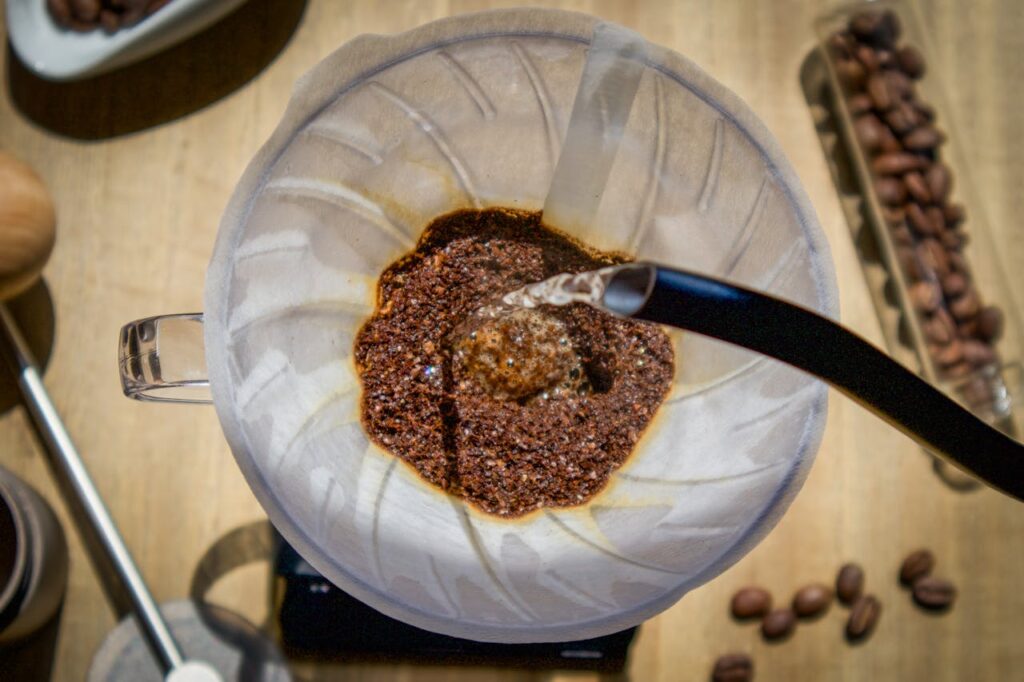
If serving guests, brew double soaked micro-lots in Chemex or V60. Guests consistently mention clean, crisp aftertaste—proof the double soaking method delivers engagement and satisfaction.
Examples of Expressive Aromatics
Aromatic complexity rises in double soaked micro-lots. For instance, a taster cupping two identical varietals, one with double soaking and one without, finds the double soaked sample more vibrant and layered even before brewing.
- Smell for florals: These appear stronger and linger longer in double soaked offerings, particularly in small-batch pours.
- Inhale for fruit: Stone fruits and tart berries dominate, promising brightness to come, while standard lots might offer more muted aromas.
- Notice tactile sweetness: From grinding to bloom, a distinct honeyed note stands out, assisting with grind sizing choices as well.
- Savor first sip: Cuppressors note “juicy” as a repeated descriptor with double soaked micro-lots.
- Track bean quality: Freshness lasts longer; double soaking typically extends readiness for use after roasting, perfect for home baristas rotating through high-end inventory.
After dialing in grind settings and brew ratio, double soaked micro-lots create immediate feedback for flavor seekers hunting peak sweetness and clarity—proving their value in real-time home or café brewing.
Applying Double Soaking: Producer Decisions When Scaling Specialty Micro-Lots
Every producer faces pivotal choices when scaling double soaking across a season’s micro-lots. Will they extend soak time or modify water changes for a particular harvest? Actions like these translate directly into flavor profiles cup-side.
The step-by-step rigor in double soaking means taking charge of fermentation windows, tank cleanliness, and water source—each adjustment builds a predictable yet expressive lot. Let’s break down specific processes.
Selecting Fermentation Windows for Micro-Lots
Producers lean toward shorter first fermentations when cherries arrive extra-sweet. “Let’s keep it under 16 hours and monitor temperature,” a team lead might instruct. This preserves acidity for lighter-bodied micro-lots with floral finish.
If harvests arrive under-ripened, they might schedule longer, cooler soaks—aiming for gentle, slow mucilage breakdown that enhances tropical notes. “Let it go slow, check every four hours for aroma shift,” offers another hands-on example.
Adapting soaks for every micro-lot builds flexibility into production and delivers layered results to consumers. “Track and compare: what worked best last season?” guides next steps, capturing institutional memory for quality improvement.
Tank Hygiene and Water Management: Non-Negotiable Steps
Clean tanks make or break double soaking’s benefit. Producers develop rinse and inspect routines: “Never skip the midday hose-down,” a senior worker reminds the team each midday. Chlorine-free water is brought in for rinses, guaranteeing flavor neutrality.
Out in the field, “Smell and touch every batch before refilling water,” producers say. Clear water at every soak step prevents cross-batch contamination that can distort micro-lot identity.
At scale, managers may assign logs of soak durations, tank checks, and even assign different tanks for distinct varietals. These measures maintain consistency and let experiments yield reliable results.
Mini Checklist for Small-Lot Producers
- Pulp cherries within hours of picking to preserve sugar structure.
- Limit first fermentation to no longer than 24 hours—log time and temperature.
- Rinse tanks with clean water between soaks; never rush this.
- Use chlorine-free water for both soaks to avoid flavor taint.
- Separate tanks for each batch prevents cross-lot contamination.
| Action | Why It Matters | Execution Tips | Outcome |
|---|---|---|---|
| Track fermentation time | Builds repeatability | Use a visible wall-mounted timer at tanks | Consistency in acidity profile |
| Change water between soaks | Prevents off-flavors | Assign a “water change” role daily | Clean cup quality |
| Temperature monitoring | Controls enzyme activity | Record readings every 3 hours | Tuned body and aftertaste |
| Separate varietal tanks | Keeps flavor origin pure | Label tanks by lot | Distinctive micro-lot flavor |
| Maintain logbooks | Assists future process tweaks | Log all activity daily by batch | Continuous improvement |
Observing Results: Key Takeaways for Micro-Lot Enthusiasts and Home Roasters
Anyone who roasts or brews at home can use visual and aromatic cues to evaluate double soaked micro-lots. Look for transparent bean color after roasting and smell for heightened florals in ground state.
Comparing several harvests side-by-side reveals that double soaked micro-lots consistently shine—clarity isn’t accidental. Notes of red berries, sugarcane, and jasmine can become reference benchmarks.
- Select beans with clear labels showing processing; trace double soaking for guaranteed complexity.
- Dial in your grind slightly coarser for filter methods; this accentuates double soaked brightness.
- If roasting, keep batch sizes small—double soaked micro-lots best reveal themselves at light to medium development stages.
- Brew in glass, not ceramic, to see natural clarity and oil separation.
- Savor slowly, noting evolution from initial aroma to cool cup finish.
Curiosity meets reward in every new micro-lot explored—creating a routine of discovery that deepens coffee appreciation and practical brewing skill.
Expanding Your Palate: Involving Double Soaked Micro-Lots in Sensory Training
Integrating double soaked micro-lots into home cupping sessions allows for focused training and richer sensory vocabulary. Designing blind tastings sharpens the palate for both amateurs and professionals chasing the best in specialty coffee.
Organize cupping flights across different processing types; include both single and double soaked micro-lots as separate entries to spotlight unique attributes. Encourage note-taking on acids, body, and aftertaste for each participant.
Assessment Drill: Flavor and Texture Recognition
Start the session by pouring similar volumes of each coffee, using consistent steep times. Invite participants to articulate differences: “This cup feels lighter and brighter,” signals a double soaked sample, while “Deeper, heavier body,” points to traditional processed beans.
Follow the format: slurp, compare, record. Over several rounds, tasters grow confident identifying distinct characteristics attributed to double soaking.
Establish a ritual: review notes together and set improvement goals for flavor recognition on the next round. Consistent exposure leads to lasting sensory gains.
Practical Takeaway: Building a Micro-Lot Tasting Group
Create a club among friends or café colleagues to sample a new double soaked micro-lot each month and rotate who provides the beans. Set up blind tastings, then switch brewers for the next round.
Score for attributes like clarity, expressiveness, and lingering finish, using language drawn from real-world tasting. Compare feedback to build a group flavor map—a practical tool for future bean selections together.
By iterating together, every participant sharpens preferences and discovery skills. Double soaking’s unique profile fosters exploration and community around micro-lot specialty coffee.
Continuing the Journey: The Future of Double Soaking in Specialty Coffee Micro-Lots
Producers continually adapt double soaking to new micro-lot varietals, climate shifts, and evolving market demands. As consumer tastes gravitate to refined flavors, these processing experiments become more valuable.
Trending experiments include brief triple soaks, mineral water applications, or temperature-controlled fermentations. Enthusiasts and professionals should track these shifts by staying active in educational forums and tasting events.
Guidelines for Staying Informed as Tastes Evolve
Bookmark newsletters, join online tastings, and subscribe to roaster updates that mention processing experiments, including double soaking. “I’m looking for new techniques this season,” you might say, while comparing last year’s micro-lots to fresh arrivals.
Let curiosity lead: “Let’s make a chart comparing attributes from three different micro-lot processes,” a brewing club member proposes. Use these reviews for successive bean orders or home roast trials.
Growth in double soaking know-how benefits everyone, from coffee buyers to hobbyists. Stay connected, taste critically, and share findings—contributing new perspectives to the specialty micro-lot community.
Frequently Asked Questions
What makes double soaking different from standard washed processing?
Double soaking introduces an additional freshwater soak after the first fermentation and wash. This extra step is crucial for boosting acidity, enhancing clarity, and highlighting the subtle nuances unique to high-quality micro-lots.
Does double soaking work best with specific coffee varietals?
While double soaking can benefit any lot, it shows the most dramatic improvement in dense, high-elevation beans. Producers match this method to micro-lots needing greater flavor clarity and silky texture, resulting in a consistently expressive cup.
How does the double soaking process influence roasting profiles?
Double soaked beans generally respond best to lighter roast profiles. This approach preserves bright acids and distinct flavors. Roasters can push development slightly longer to highlight sweetness without dulling the pronounced, clean finish typical of double soaked micro-lots.
Are there downsides to using double soaking in micro-lots?
The main challenge is the increased labor, water use, and close monitoring required. Micro-lot costs may be higher as a result. However, the payoff is clear: cups with greater complexity and refinement appeal to discerning buyers and drinkers alike.
Can home brewers notice the difference with double soaked micro-lots?
Yes. When brewed carefully, double soaked micro-lots display a pronounced clarity, vibrant acidity, and balanced sweetness. Even with manual brewing at home, these details become evident, especially when compared side-by-side to single-washed or natural processed beans.