Few topics spark curiosity like the rise of decaf micro lots in specialty coffee circles, especially among those who love complex flavors but want less caffeine. These rare beans offer artisanal quality, and the journey to savoring them is full of discovery.
Coffee drinkers used to think decaf meant weak or bland, but new approaches in decaf micro lots have drastically changed expectations. By focusing on small-batch processing and careful sourcing, producers now bring forward flavors rivaling traditional micro-lots.
This guide walks you through what makes decaf micro lots special, why they’re winning fans, and how you can get the most from these unique coffees at home or in cafes. Let’s dive into the world where decaf meets true specialty flavor.
Sourcing Decaf Micro-Lots: Find Small Batches with Big Flavor Gains
Finding truly vibrant decaf micro lots starts with knowing where and how they’re produced. These coffees come from small, carefully managed lots deliberately chosen for their potential to deliver flavor excellence after decaffeination.
Unlike mass-market decafs, specialty growers dedicate effort to selecting coffee cherry at peak ripeness and process with gentle methods aimed at maintaining origin character.
Know the Lot: Choosing Farmer-Driven Beans
Ask your roaster for information about the farmer, the exact lot, and decaf process. When buying online, look for transparency on the label describing the farm, altitude, and batch size.
E.g., you might say, “Does this decaf micro lot come from a single-family farm or a cooperative?” Direct communication signals commitment to traceability and distinguishes specialty from commodity grades.
Buying from retailers who share the story behind the lot is a realistic pathway to discovering new standouts and supporting ethical supply chains. Request origin details every time you purchase.
Processing Choices: Decaf Methods and Their Effects
The decaffeination process matters—Swiss Water, Sugarcane, and CO2 extraction all present different results in the cup. Choose a method that complements the natural notes you seek, like chocolatey or floral.
Reading the coffee’s tasting notes alongside the decaf method helps set expectations. For instance, Swiss Water retains more acidity, while Sugarcane often enhances fruit sweetness for smaller batches.
This knowledge empowers you to match personal flavor preferences with the intended outcome of the decaf micro lots you’re about to try. Always read beyond the front label.
| Decaf Process | Flavor Outcome | Best For | Actionable Tip |
|---|---|---|---|
| Swiss Water | Higher clarity, retains acidity | Single-origin fans | Try with bright African decaf micro lots |
| Sugarcane (EA) | Sweet, fruit-forward | Fruity or chocolatey profiles | Brew with lower temp for jammy sweetness |
| CO2 Extraction | Clean, well-balanced | Balanced blends | Choose if you like mild, rounded cups |
| Methylene Chloride | Consistent, traditional taste | Classic drinkers | Use for dependable drip coffee |
| Specialty Hybrid | Experimental, nuanced | Adventurous tasters | Great for cupping with friends |
Dialing In Your Brew: Techniques Designed for Decaf Micro-Lots
To truly appreciate what decaf micro lots offer, it helps to tailor your brewing to bring out nuanced notes that regular decaf methods might suppress. A simple adjustment can make your cup expressive and memorable.
Start by weighing beans precisely and grinding just before brewing. Decaf micro lots respond especially well to fresh handling, where oxygen contact is minimized and temperatures stay controlled.
Keep It Fresh: Storage That Honors the Lot’s Unique Traits
Store your decaf micro lots away from light, moisture, and strong odors. Oxygen is the enemy, so choose airtight canisters and keep portions small for frequent brewing.
- Store in opaque cans: Light degrades aroma, so solid containers preserve more flavor.
- Use resealable bags: Push out extra air after every scoop to extend lifespan.
- Separate by roast date: Brew oldest first—freshness is especially crucial for decaf micro lots.
- Avoid the fridge: Moisture swings dull flavor. Room temperature stays stable.
- Grind only when needed: Pre-ground beans lose peak expression in days—invest a moment to grind just before brewing.
Following these habits ensures that each micro-lot cup starts vibrant and lively, making every brew count.
Adjust Your Brew: Recipes That Suit Decaf’s Delicate Structure
Brewing isn’t just about following any recipe. With decaf micro lots, tweak your ratios and water temperatures for better extraction—warmer water brings out sweetness, cooler water maintains acidity.
- Start with a 1:15 brew ratio: For pour-over or immersion, it highlights nuance without being watery or dense.
- Use filtered water: Hard water mutes delicate notes. Use spring or filtered water for best results.
- Pre-wet your filter: This removes papery tastes and preserves clarity in every brew.
- Experiment with agitation: Brief stirs during blooming phase improve extraction consistency.
- Test water temp range: Try between 195-205°F based on bean’s natural profile and method.
When you experiment piece by piece, notes hidden in other decaf coffee come forward in the cup, inspiring return visits to this brewing ritual.
Comparing Decaf Micro-Lots to Traditional Single Origins
There’s clear evidence that well-crafted decaf micro lots rival regular single origins in cup complexity and finish. While traditionalists once disregarded decaf, blind tastings now reveal surprising overlap in profile and vibrance.
Treat decaf micro lots as you would your favorite small-batch Arabica, and the investment pays off, especially when you calibrate grind, dose, and water style for each batch.
Flavor Exploration: Finding Unique Profiles in Decaf Micro Lots
Tasters identify sweet berry, chocolate, even floral highlights formerly unseen in decaf. For example, someone might remark, “This reminds me of a natural Ethiopia—jammy and layered.”
Comparisons reveal that micro-lot decaf can match origin flavor markers, with some batches featuring peach, orange, or hazelnut distinctiveness. Savoring each is like discovering new gemstones in a familiar landscape.
Therefore, rely on established cupping descriptors and share tasting experiences with friends or online groups; it’s a valuable method for broadening your palate and staying curious.
Practical Blind Cupping: An Actionable Tasting Scenario
Invite a friend to label two cups—one regular, one decaf micro lot—without telling you which is which. Assess sweetness, acidity, and aftertaste, then guess the decaf cup.
Many coffee fans find themselves surprised by the depth and clarity in decaf micro lots compared to their expectations, especially when those coffees are roasted fresh and prepared with care.
This experiment demonstrates that perception lags behind reality for quality decaf; it encourages more people to explore and discuss decaf micro lots without bias.
Flavor Preservation Begins with Roasting and Packaging Choices
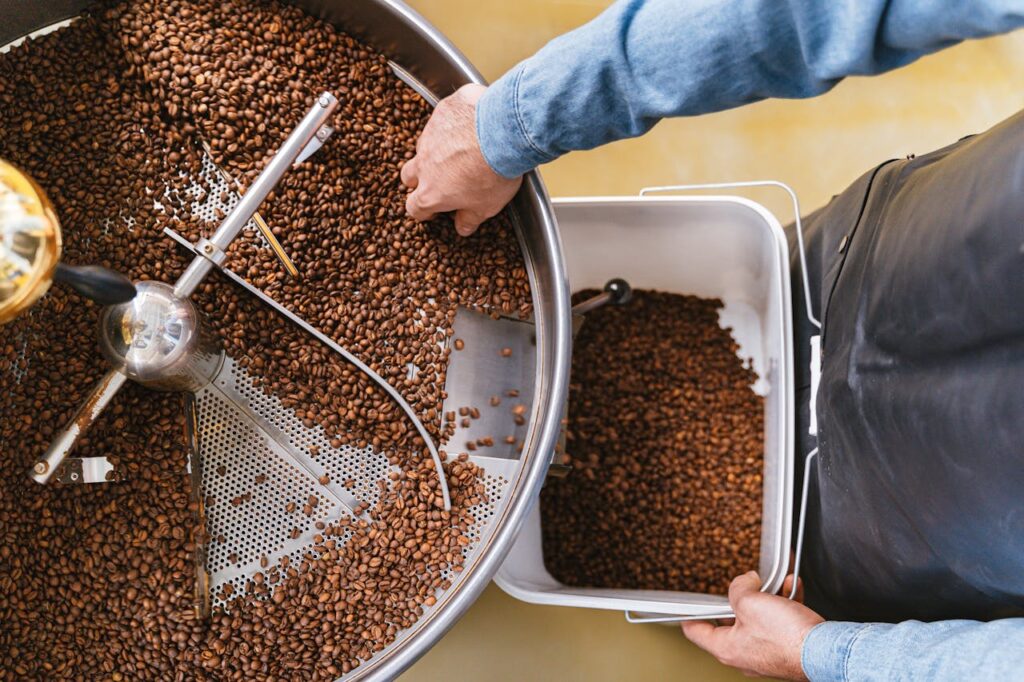
Roastery practices have the largest impact on decaf micro lots’ shelf life and flavor preservation. Only buy from specialty roasters committed to rapid, low-oxygen packaging and shipping within days of roasting.
Request a roast date and packaging details with each order. If your decaf micro lot arrives in a valve-sealed, nitrogen-flushed bag, that’s a sign of exceptional handling.
Packaging Details That Signal Quality in Micro-Lots
Look for thick, resealable bags with minimal oxygen exposure. Note if the roaster describes rest periods post-roast, a signal that they’re maximizing the coffee’s potential from farm to cup.
For home storage, transfer beans to a vacuum-sealed canister if possible. This habit extends vibrant top notes into the second and third weeks—even for smaller batches that go quickly.
Building a routine around these packaging and storage techniques pays off in measurable cup quality every time you brew.
Pairing Decaf Micro-Lots with Food: Enhance Both Coffee and Meal
Combining decaf micro lots with food can elevate both the dish and the cup, revealing new flavor synergies. Choose pairings as thoughtfully as sommeliers match wine with cuisine.
Use decaf micro lots that have prominent berry, nut, or chocolate notes to complement desserts, pastries, or light cheeses at your next gathering or solo breakfast.
Sequence for Tasting: A Step-by-Step Example
Start with a small taste of coffee alone. Next, try a bite of a light almond cake. Return to the coffee—notice how sweetness and aromatics bloom after each mouthful?
This back-and-forth sequence highlights subtleties you might miss if drinking or eating in isolation. Repeat with each food pairing for maximum effect. Keep notes in a food-and-coffee journal to track discoveries.
Invite friends to bring a favorite pastry and their preferred decaf micro lot to compare impressions, adding another layer of enjoyment to routine meals.
Decaf Micro-Lots in the Home Barista Era: A Checklist for Daily Excellence
Home brewing with decaf micro lots lets anyone enjoy café-quality complexity. Build a simple routine that prioritizes freshness, careful measurement, and mindful tasting over high-budget gadgets.
A daily checklist ensures every cup reflects the producer’s vision and showcases decaf in its best light.
- Weigh before you grind: Ensures reproducibility and balance in every brew.
- Change grind size per brew method: Finer for espresso, coarser for French press.
- Clean equipment daily: Oils from previous brews can distort subtle decaf notes.
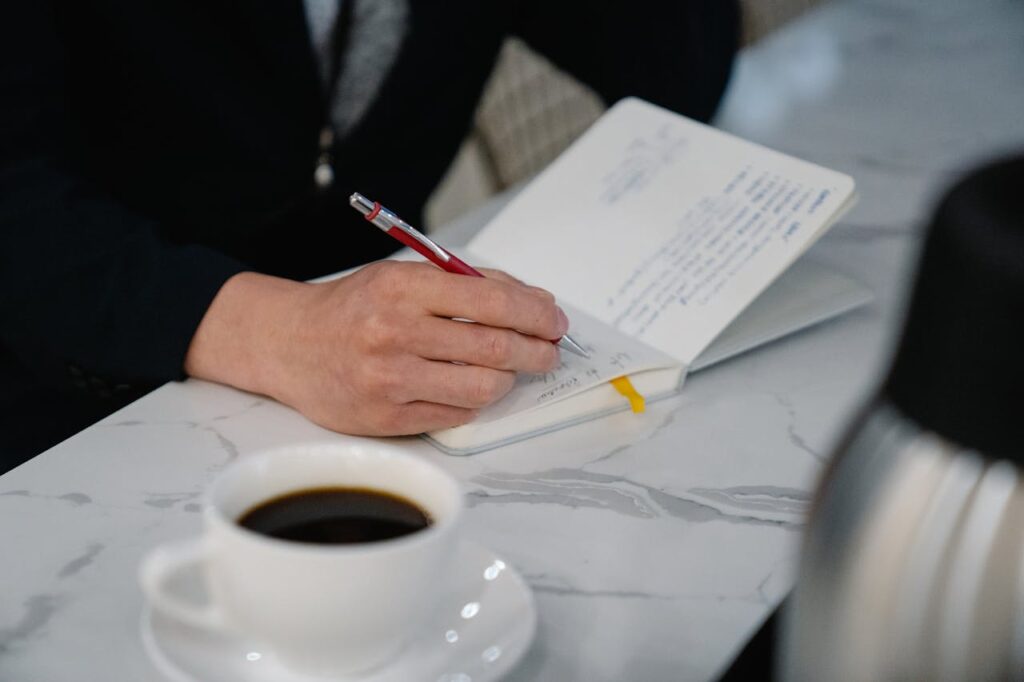
- Document results: Note brew time, flavor, and recipe tweaks for continual improvement.
- Share with others: Invite feedback to refine technique and discover new favorite decaf micro lots.
Apply these steps consistently, and decaf micro lots become an engaging, flavorful part of daily ritual, not a dull substitution for regular coffee.
Conclusion: Decaf Micro-Lots Deliver Genuine Specialty Coffee Experiences
Choosing decaf micro lots means joining a growing movement to appreciate flavor, traceability, and mindful sourcing, even without the caffeine buzz. Every batch tells a story, and the taste rewards are real.
Producers, roasters, and home enthusiasts together propel innovations that keep decaf micro lots genuinely exciting, highlighting the intersection of science, sensory skill, and sustainable farming.
Whether you seek richer flavors or simply want to brew decaf with pride, the path is open—each cup of decaf micro lot coffee is an invitation to savor specialty coffee, on its own terms.
Frequently Asked Questions
What exactly is a decaf micro lot?
Decaf micro lots are small, select coffee batches that have undergone decaffeination but are processed, sourced, and roasted with the same meticulous standards as specialty micro-lots. They preserve the unique characteristics of origin, process, and variety.
Will decaf micro lots ever taste as complex as non-decaf micro-lots?
Modern decaf techniques paired with micro-lot selection mean that many decaf micro lot coffees now rival their caffeinated counterparts. Expect fruity, floral, or even chocolatey notes, depending on the lot’s origin and processing.
How can I tell if I’m buying a true decaf micro lot, not generic decaf?
Look for packaging or online descriptions detailing the farm, specific processing method, and batch size. Specialty retailers and roasters are transparent about provenance and are happy to answer questions when asked directly by customers.
What’s the best brew method to highlight decaf micro lots?
Pour-over and immersion methods (French press, Aeropress) tend to bring out subtle notes and aroma in decaf micro lots. Use fresh grinding and filtered water. Experiment with ratios and water temperature to extract the full spectrum of flavors.
Should I be worried about freshness with decaf micro lots?
Freshness matters even more for decaf micro lots, since volatile aroma compounds can fade faster. Buy freshly roasted beans, store in airtight containers, and grind just before brewing for the liveliest cup experience.