
For anyone passionate about specialty coffee micro-lots, forming a club multiplies the joy and unlocks access to beans rarely shipped to individual consumers. Micro-lots reward curiosity—they capture attention for their traceability, unique taste notes, and connection to hardworking farmers.
This guide walks you through each decision, from uniting like-minded explorers to sourcing micro-lot coffees and planning dynamic, educational tasting sessions. Let’s dig in so you can bring a specialty coffee club to life in your community.
Building a Core Group for Lasting Engagement
Gathering a core of dedicated members gives your coffee club energy from the start—these are the enthusiasts who sustain events, group orders, and lively discussion around micro-lot coffees.
Establishing shared expectations creates a welcoming space for people to ask questions and experiment with new origins. Begin small with five to eight curious friends willing to promote the club and host tastings.
Identifying Local Coffee Lovers
Walk into a local third-wave café and chat up regulars—say, “Hey, have you ever tried micro-lot coffees? I’m inviting folks to taste something extraordinary together.” This direct approach sparks organic interest.
Notice customer types who ask about single origins or flavor notes as they order; these are likely candidates. Invite approachable baristas who may bring enthusiasm and expertise to the table as well.
Attend public cuppings hosted by local cafés. A short conversation, a smile, and a quick mention of your club’s focus on micro-lot beans sets the tone and helps you recruit with honesty and excitement.
Crafting a Simple Invitation
Write a message that’s approachable but specific: “We’re forming a coffee club dedicated to micro-lot coffees. Interested in tasting and learning together? Join us next month for our very first session!”
Share on social media stories and local Facebook groups using vibrant imagery of coffee being brewed or coffee bags with farm names—this visual cue instantly signals the club’s micro-lot focus.
If you’re close with café owners, ask to hang a small flyer at the counter using casual language, inviting curious, open-minded coffee drinkers who want to deepen their understanding of micro-lots and create community.
| Strategy | Who to Approach | Best Outcome | What to Do Next |
|---|---|---|---|
| Café Conversations | Regular customers, baristas | Enthusiastic early members | Follow up with direct invite at next visit |
| Public Cuppings | Event attendees | Find fellow enthusiasts | Share digital membership sign-up |
| Social Media | Friends and followers | Broaden your reach | Direct interested parties to group chat |
| Printed Flyers | Café visitors | Attract strangers | List easy RSVP options |
| Personal Networks | Friends, coworkers | Build trusted core group | Ask each to invite one person |
Coordinating Meetings and Coffee Club Schedules with Ease
Establishing a consistent routine makes it simple for members to show up. Pick a frequency—monthly or every three weeks—for gatherings focused solely on micro-lot flavors and learning.
Send invitations two weeks before each session, noting the specific dates in a shared calendar app. This habit fosters anticipation and makes it easy to plan logistics as participation increases.
Rotating Hosts Keeps the Club Fresh
Encourage members to take turns hosting. This shares responsibility, exposes the group to different home brewing setups, and builds confidence among everyone. It also diversifies environments and comfort levels.
- Pick the next host at the end of each meeting. This avoids confusion and lets members prepare in advance with their own unique twist.
- Offer simple framework: host provides water and pastries, coffee selection shared among the group. This is easy to remember and removes pressure from hosting duties.
- Encourage hosts to share one fun fact or research about the featured micro-lot they’ll present. This builds a habit of curiosity and group learning, making each session richer.
- Assign one member per session to coordinate music or ambiance. Changes in background—from jazz to nature sounds—stimulate the senses and make each coffee club gathering memorable.
- Rotate hosts every time even if it’s a small group—this ensures nobody feels overburdened and each member can bring creative energy to the club’s overall culture.
Over time, rotating hosts cultivates ownership and inclusivity. Members soon associate shared effort with memorable sessions.
Developing a Flexible Attendance Policy
Create a club norm: “No pressure if you can’t attend every time.” State this upfront to keep things fun and stress-free, and prevent fallout from occasional absences.
- Encourage RSVP via group chat a week in advance. This helps hosts plan drinkware, coffee ratios, and snacks while maintaining a flexible, relaxed spirit.
- Circulate a shared calendar and email reminders. These small gestures keep everyone looped in and remove the guesswork of last-minute updates.
- Allow occasional remote participation via video or voice, especially for discussions about flavor notes or sharing tasting experiences. Inclusiveness is part of the club’s DNA.
- Remind members no one “owes” an explanation for missing a session—just an RSVP helps. This ensures nobody feels excluded or judged.
- Celebrate everyone’s return, regardless of gaps between meetups. A little welcome back goes far in making members feel valued and motivated to stay engaged with future coffee club events.
Such flexibility encourages loyalty and openness, making your specialty coffee club resilient and accessible to all lifestyles.
Sourcing Micro-Lot Coffee for Unique Tastings
Reliable access to high-quality micro-lot beans marks your coffee club as a destination for discovery. Group purchasing enables cost sharing, unlocking beans that might otherwise be out of reach.
Research local roasteries or specialty importers—most will gladly offer small-batch or sample packs to honest, organized coffee clubs that show genuine interest in farmer stories and micro-lot transparency.
Partnering with Local Roasters
Approach a roaster by saying, “Our club celebrates micro-lot coffees and we’d love to learn about any new arrivals. Can you recommend one for our next tasting?” Personal rapport can lead to discounts or early info on rare stocks.
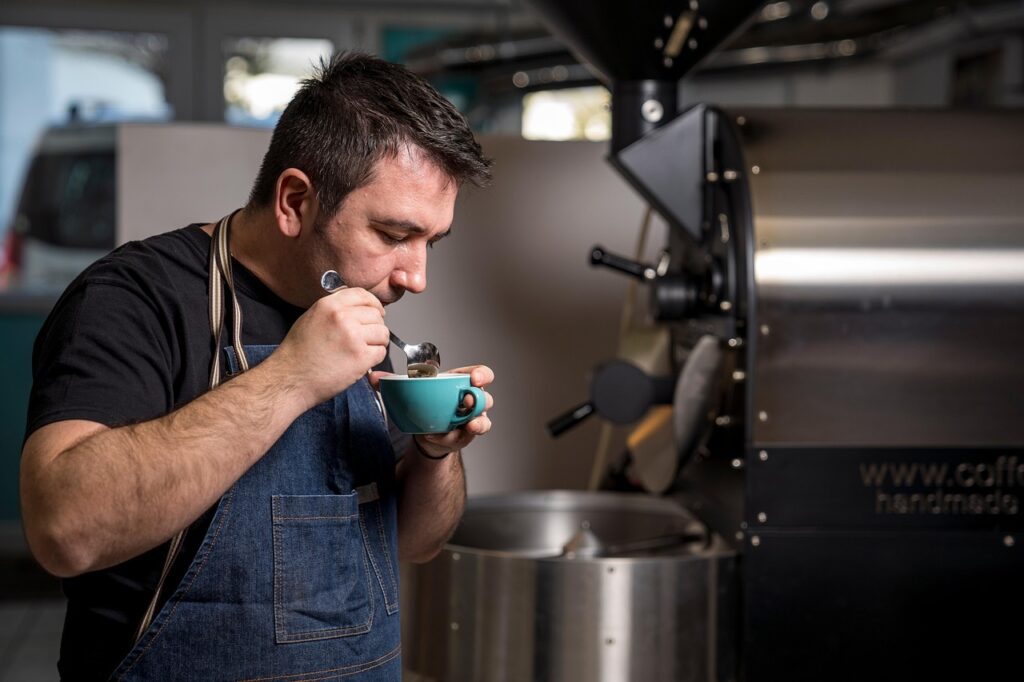
Arrange occasional tours or Q&As with roasters. Seeing roasting in action inspires curiosity and helps members understand how roast profiles impact a micro-lot’s character in the cup. Take notes to share key insights with the group.
Request a variety of processing methods—washed, honey, natural—within micro-lots. Directly ask for flavor notes and suggested brew methods to ensure each session remains fresh, creative, and educational for your members.
Ordering Online with Strategy
Divide a distinctive micro-lot bag among three or four members each session. Specify desire for traceability—farm name, variety, and harvest date—so members experience the full spectrum of micro-lot appeal.
Once a month, split orders from online specialty retailers featuring rotating micro-lot selections, rotating which club member manages checkout and logistics. This keeps everyone invested in building relationships with trusted vendors and discovering new coffees each month.
Alternate online orders with local picks to keep the coffee club grounded in both global discovery and hometown connections. Encourage members to share reviews or comparison notes to guide future purchases or blends.
Designing Memorable Coffee Club Tastings and Rituals
Immersive tastings transform each meeting into a learning journey. Structure sessions so every member has a chance to make observations, celebrate differences, and practice mindful coffee appreciation.
Build in time for each micro-lot to shine: present the origin story, taste slowly, and invite group conversation about aroma, acidity, sweetness, and finish. This sparks connection and collective growth session after session.
Hosting a Blind Tasting Challenge
Bring two or three different micro-lots to a meeting. Pour samples into unmarked cups labeled A, B, and C. Invite members to jot down aroma impressions, flavor notes, or “this reminds me of salsa or honeydew.”
After sipping, discuss each anonymously. Members are surprised when their unbiased favorites don’t match assumptions based on country or processing method. This encourages honesty and opens new taste horizons for every coffee club attendee.
Reveal the beans at the end and let the group guess which is which, providing fun humility and playful competition. Each member leaves with a new appreciation for sensory exploration rather than labels or hype.
Crafting Shared Rituals
Begin each session with a gratitude round: members share either a gratitude about the coffee club or something positive from their week. This sets a supportive tone for learning and conversation.
Include a “guest brewer” segment where a member demonstrates a preferred technique, like Chemex, AeroPress, or Hario V60. Everyone observes, then samples the result while discussing technique and flavor differences together.
Close by rating the featured micro-lots on a homemade scorecard—aroma, body, clarity, aftertaste—and gathering feedback for next session’s format or coffee choice. Rituals like these create anticipation and encourage active participation for all.
Enriching the Coffee Club Experience Beyond the Cup
Add layers of enrichment beyond tasting to make your micro-lot coffee club a true learning hub. From field trips to guest talks, your club can create a unique blend of education, camaraderie, and sensory adventure.
Field Trips Tied to Micro-Lot Learning
Organize trips to local roasteries, cafés, or farms engaged with direct-trade micro-lots. Take notes, ask baristas where they source their favorites, and invite members to prepare questions in advance on terroir or processing steps.
Introduce “Bean of the Month” visits: if possible, meet producers or importers on-site for firsthand perspectives on what makes each micro-lot distinct. Document these experiences through photos or short write-ups for sharing with absent members.
Such excursions energize your group, deepen appreciation for micro-lot complexity, and build relationships with local industry leaders happy to support a growing specialty coffee club.
Guest Speakers and Workshops
Invite local coffee experts, baristas, or farmers to present at a session. Their stories and demonstrations reveal trade secrets—roasting curves, brewing ratios, farming challenges—grounding abstract flavor in human experience and hands-on know-how.
Hold mini-workshops on flavor calibration using specialty “tasting wheels.” Members can practice describing acidity, body, and aftertaste, then cross-check descriptions as a group to build shared language around micro-lot coffees.
Encourage every member to try leading a workshop or spotlighting a different aspect of micro-lot sourcing. This empowers the club, putting each member in an educator’s role and multiplying perspectives over time.
Conclusion: Making Your Micro-Lot Coffee Club a Lasting Tradition
Each step, from gathering your team to crafting signature rituals, builds your coffee club into a community with a shared passion for micro-lot exploration. Stay open to new beans, roles, and ideas as your group evolves.
Specialty coffee, especially micro-lots, brings together people seeking nuance and authenticity. Your club can become a hub where discoveries are celebrated, friendships deepen, and each member’s palate and appreciation grows.
Through routine, inclusivity, and ongoing education, your micro-lot coffee club can thrive for years while nurturing relationships and delivering vibrant sensory adventures—one remarkable cup at a time.
Frequently Asked Questions
What qualifies as a micro-lot coffee, and why focus on these?
Micro-lot coffees are harvested from a specific plot or section of a coffee farm, often with unique processing or a single varietal. These coffees stand out for their documented traceability, limited production, and complex, signature flavor profiles prized by enthusiasts and clubs.
How can new members feel comfortable joining a specialized coffee club?
A clear welcome policy and supportive sharing culture help anyone feel at home. Invite new members to observe the first session, taste without pressure, and gradually participate—no expertise required, only an interest in micro-lot coffees and community learning.
What’s the simplest way to organize club expenses for coffee purchases?
Group costing works well: estimate the per-person share for each micro-lot featured and collect before purchase. Use payment apps for transparency. Over time, share tips about splitting costs efficiently and rotate the member in charge of orders each month.
What gear does a micro-lot coffee club need to start?
Begin with basic brewing gear such as pour-overs, French press, or an automatic drip. Collect extra cups and tasting spoons. As your club grows, invest in a grinder, digital scale, and a basic cupping kit to maximize each micro-lot’s tasting potential.
How does a club keep things fresh and interesting event after event?
Mix up formats—alternate between structured cuppings, blind tastings, guest speakers, and field trips. Introduce new members as mini-hosts or workshop leaders, and celebrate the origin and story behind every micro-lot selected. Fresh ideas come from new faces and varied experiences.