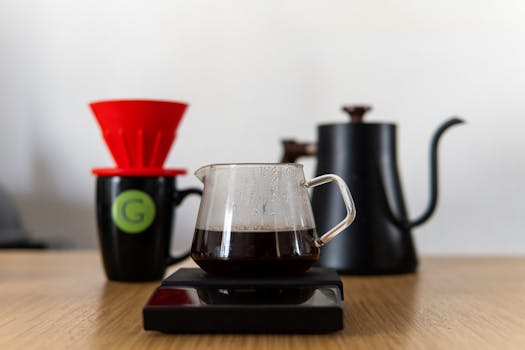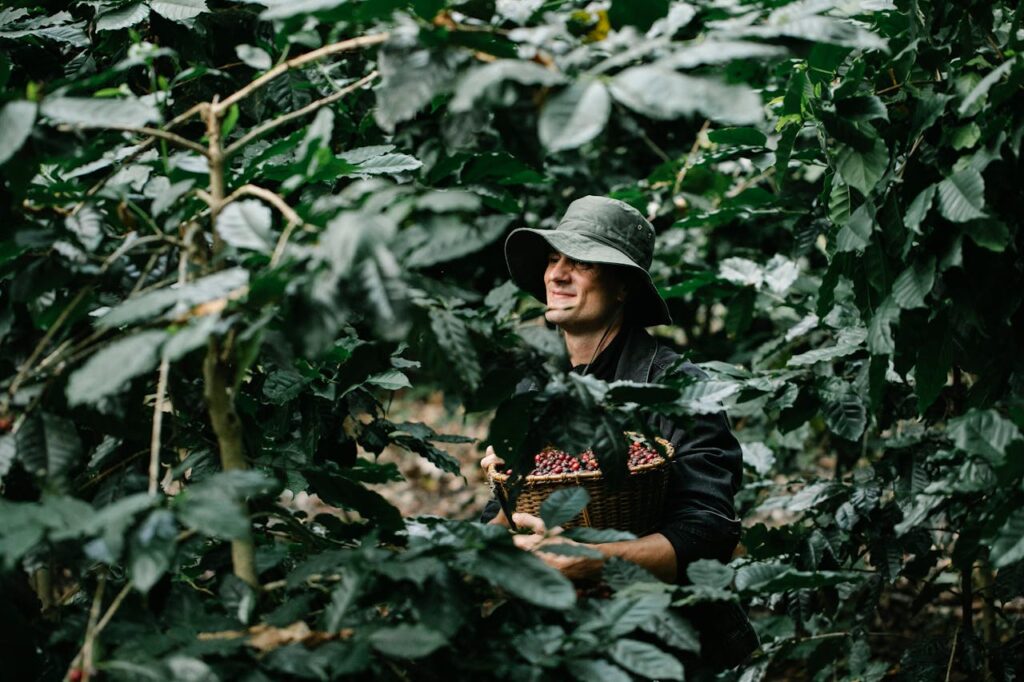
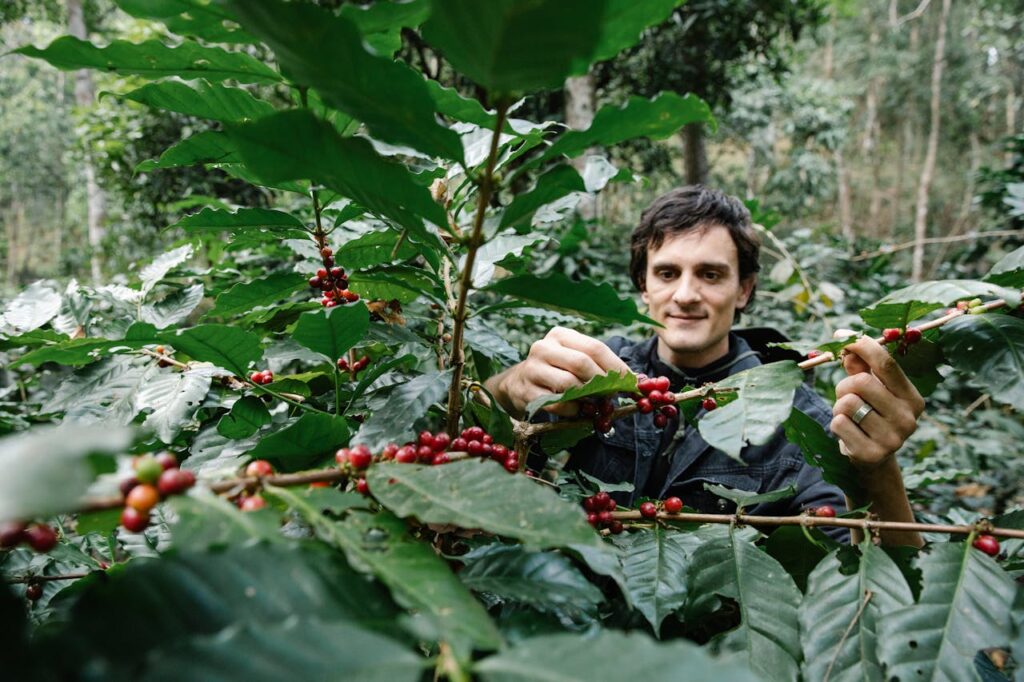
Imagine taking the first sip of a velvety, aromatic cup—each taste offering glimpses into a lush landscape. Specialty coffee micro-lots bring this intimate experience, and when colombia huila coffee is involved, every detail of terroir leads the cup.
Coffee professionals and enthusiasts value regions that turn micro-lots into symphonies of flavor. These aren’t just random excellence; they’re products of attentive farming, advanced sorting, and the union of soil and altitude shaping every colombia huila coffee bean.
This guide walks through the intricacies of terroir, showcasing how specialty micro-lots from Huila reveal terroir’s secrets unlike anywhere else. Get ready to uncover actionable steps to improve your own tasting and sourcing experience.
Pinpointing Terroir in Specialty Micro-Lots: Sensory Clues and Field Practices
Every specialty coffee micro-lot tells a story through its unique terroir. Learning to spot these sensory clues lets you identify colombia huila coffee at a glance, even before tasting. Consistency comes from these foundations.
Growers and buyers use field practices and cupping routines to decode the flavors terrain brings. This boots-on-the-ground verification means your micro-lot tastes just like the environment that created it.
Tasting Sequence Used by Colombian Growers
Growers in Huila start with whole-bean examination—color consistency, surface texture, and aroma hint at process quality. Grinding releases fragrant notes, building expectation for what colombia huila coffee can deliver next.
The cupping bowl reveals acids and sugars unique to Huila. Tasters swirl, slurp, and note body and finish, checking alignment with what the land promises. Each sensory step reinforces micro-lot character.
Pros assess aftertaste at different temperatures, confirming integrity through cooling. A sticky sweetness or floral lift signals authentic colombia huila coffee. Replicating this exact sequence sharpens your ability to distinguish origin nuances.
Seasonal and Weather Effects During Picking
Rainy seasons expand lushness in flavor, while dry harvest months create pronounced acidity. Huila’s pickers time their work by sunrise, chasing the window for optimal cherry ripeness and colombia huila coffee sugar balance.
Face-to-face, farmers trade tips—one points out “pick when the cherry gives with a soft squeeze but not before dawn.” Field notebooks track which rows produce the day’s most complex lots.
This timing ritual impacts which sugars and acids dominate in roasted colombia huila coffee. Adopting similar record-keeping can bring more consistency to any micro-lot sourcing or roasting strategy.
| Attribute | Huila, Colombia | Other Micro-Lot Origin | Takeaway |
|---|---|---|---|
| Soil Type | Volcanic, mineral-rich | Clay (Brazil) | Expect bold, layered flavors from volcanic soils. |
| Core Flavor | Bright acidity, citrus | Chocolate, nutty (Guatemala) | Huila stands out for pronounced fruit acidity. |
| Harvest Timing | April–June, Sept–Dec | Dec–Feb (Kenya) | Flexible harvests offer more lot selection periods. |
| Altitude Range | 1,400–2,000m | 900–1,500m (Sumatra) | Greater altitude gives cleaner, more refined profiles. |
| Processing | Washed, Honey | Wet Hulled (Sumatra) | Washed methods yield crisp, transparent flavors. |
Decoding Soil and Elevation: Practical Rules for Micro-Lot Evaluation
Recognizing how Huila’s volcanic earth and shifting elevations affect cup quality gives clear steps for micro-lot evaluation. Colombia huila coffee sourced from higher slopes delivers clarity and vibrance that’s hard to ignore.
Field assessment involves inspecting root depth and leaf health. If the foliage is a vibrant green and cherries are dense, expect a vivid cup—especially in washed, small-batch colombia huila coffee.
Visual Soil and Altitude Inspection
Gauge depth of topsoil by gently turning a few inches at the tree base. Huila’s richer soils present dark, crumbly earth, packed with organic matter critical to micro-lot expression.
- Inspect roots for spread and firmness; loose, widespread roots signal strong nutrient uptake, vital for colombia huila coffee brilliance in micro-lots.
- Feel the soil for coolness and moisture; optimal conditions signal balanced acidity in the final bean.
- Note external shade distribution, which regulates cherry maturation crucial for specialty lot development.
- Sample cherry firmness at several elevations; denser cherries mean more nuanced, layered flavors in the roasted cup.
- Mark uneven cherry ripeness; staggered elevations require adjusting harvest timing for peak micro-lot quality.
Relying on soil touchpoints lets you zero in on which lots to prioritize for colombia huila coffee brilliance.
Altitude’s Direct Impact on Tasting
Higher elevation beans pack more organic acids. This translates into brighter, juicier colombia huila coffee. If seeking delicate fruit and clarity, prioritize samples from lots above 1,700 meters whenever possible.
- Choose samples labeled by specific farm blocks; micro-lots in colombia huila coffee depend on micro-regional tracking.
- Request elevation data for each lot, not just average regional altitude, to pinpoint potential flavor outliers.
- Log cupping reactions to sour, sweet, and bitter balance using a precise flavor wheel reference for each elevation range.
- Ask for recent soil analysis results. More mineral-rich soils yield enhanced sweetness in colombia huila coffee micro-lots.
- Set aside at least one cup from each block to retaste at room temperature—clarity in cooling helps confirm elevation impact claims.
These checklist steps boost your ability to compare lots confidently and articulate what makes colombia huila coffee from the highlands top-grade.
Processing Variants and Their Micro-Lot Signatures
Identifying how washed, honey, and natural methods are applied site-specific lets buyers map out their preferred colombia huila coffee cup. Even subtle tweaks in fermentation or drying yield new flavor playgrounds.
Growers select processes by observing daily weather, bean ripeness, and water sources. For specialty micro-lots, each call creates a unique profile—a bit like choosing the heat for baking bread to bring out more crust or crumb.
Washed Processing in Practice
Huila’s washed method includes pulping, soaking, and a two-stage rinsing cycle. On site, processors watch for the slimy mucilage sliding cleanly from beans—a cue that sugars are balanced but not exhausted.
Producers measure fermentation hours by ambient temperature. Warm days speed up, while cool, breezy nights slow it down. Keeping records per batch helps repeat top outcomes for colombia huila coffee.
After the final rinse, beans dry on mesh beds or patios. Even airflow prevents mildew or sour taints. Regular raking means every batch is even, turning out reliable—yet nuanced—marycolombia huila coffee micro-lots.
Honey and Natural: Risk and Reward Decisions
Honey-processed lots retain sticky cherry pulp, fermenting with less water. This risks more fermenty, wine-like flavors, but in Huila’s warm midday sun, drying completes faster and sugars caramelize further.
Natural processing, where cherries dry intact, brings extra fruit and floral notes. The downside: close monitoring is critical, or a batch can take on woody or funky tastes.
Decision cues here involve daily cherry flipping and cherry density sorting. When cherry skins get leathery, only then do growers mill for export-ready colombia huila coffee micro-lots—becoming a showcase of patience and skill gathered from years in the field.
Refining Specialty Selection: Building a Palate for Colombia Huila Micro-Lots
Micro-lot sourcing benefits from every stage explored: origin inspection, soil analysis, elevation mapping, and process tracking. These tools help reveal the full vibrance of colombia huila coffee, lot by lot.
Approaching every micro-lot as a new story lets you taste more fully and communicate unique strengths with clarity. Sourcing becomes less trial-and-error, more a reliable path to flavor adventure in the cup.
Every decision you apply to your selection improves future batches. Embracing detail in colombia huila coffee means never settling for generic—always seeking that next layer waiting in every micro-lot.
Frequently Asked Questions
What exactly makes colombia huila coffee micro-lots unique in the specialty market?
Huila micro-lots are divided by small, traceable farm plots, each reflecting distinctive soils and elevations. Careful picking, processing, and sorting give them vibrant fruit acidity, well-structured sweetness, and a broad range of flavors rarely found in bulk lots or larger blends.
How do producers ensure quality control for micro-lots in Huila?
Producers use selective hand-picking, batch-specific fermentation logs, and export grading by both farm and process. Every micro-lot is cupped separately, and only those that meet international specialty standards are shipped, protecting unique colombia huila coffee signatures.
What’s the simplest way for a buyer to confirm origin authenticity?
Ask for full traceability details—farm GPS, lot codes, processing records, and cupping notes from both origin and importer. Authentic colombia huila coffee micro-lots always come with detailed history and lot identification for transparency at each step.
Are there risks with buying honey or natural processed micro-lots compared to washed?
Yes, these processes can amplify fruit flavors and body but also come with more variability or off-notes if not carefully managed. Only buy honey or natural colombia huila coffee micro-lots from sources you trust who can document their post-harvest controls.
How should micro-lot green beans from Huila be stored to preserve quality?
Store green beans in a cool, stable, low-humidity environment in sealed, food-grade packaging. Keep them off direct floors and away from strong odors. Transparent chain of custody for colombia huila coffee assures peak flavor when you finally roast and brew.