Savoring the unique flavors of specialty coffee micro-lots is a delight, but keeping these rare beans fresh is a challenge many overlook. Smart coffee storage techniques make a real difference, preserving both aroma and taste beyond the first brew.
Coffee storage matters for anyone determined to protect a delicate, limited-edition harvest. Every bag can be a fleeting opportunity, and neglecting freshness can mean losing what makes these exclusive beans so remarkable. Maximizing shelf life isn’t just technical—it’s about respect for the craft.
This guide covers actionable, modern coffee storage strategies developed for rare coffee micro-lots. From vacuum containers to humidity controls, you’ll find expert recommendations, practical checklists, and at-a-glance solutions for every scenario.
Choose the Best Container for Each Micro-Lot to Maximize Freshness
Containers that block light and air can noticeably extend a rare micro-lot’s optimal flavor window. Select the right vessel for each new batch, rather than a “one-size-fits-all” approach.
For specialty beans, coffee storage systems shouldn’t just look sleek—they should serve a purpose. Assessing your preferences and batch size up front saves both flavor and effort down the line.
Vacuum-Sealed Canisters: When to Use and Avoid Them
Vacuum canisters minimize oxidation by removing air and slowing down staling. A fresh-roasted micro-lot just cooled? Place the beans inside with the included pump, sealing tightly before fridge storage for maximum benefit.
Avoid vacuum-sealing pre-ground or already-aging micro-lot beans. The vacuum process won’t revive lost gases or arrest ongoing flavor degradation. For freshly roasted, whole-bean micro-lots, however, this method is ideal.
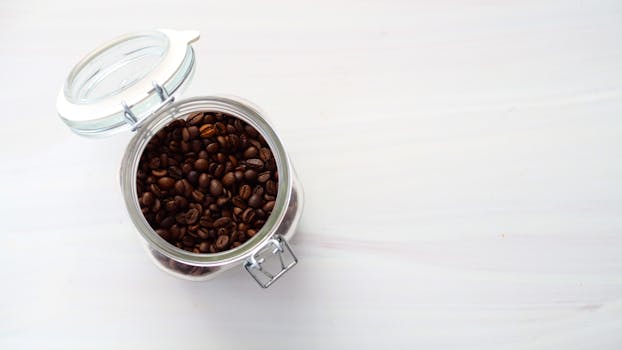
Many coffee fans prefer clear containers for visual monitoring, but vacuum canisters with opaque walls offer the best coffee storage results. Choose a size matching your batch to avoid excess air in partially filled vessels.
Opaque, Airtight Jars: Practical Everyday Storage
Opaque jars block flavor-robbing UV rays and minimize air exposure. Look for ones with gaskets and positive locking lids to reliably keep out humidity, which is especially important for complex, high-elevation micro-lots.
If a batch cycles through fast, sturdy airtight jars provide a balance of convenience and protection. ‘I want to see my beans’ sometimes competes with ‘I want a perfect cup’—in this case, go for function over aesthetics.
Rotate through multiple jars for different roasts if you’re running several micro-lots. Mark the roast and open date on each for easy tracking, ensuring each stays at its peak during storage.
| Container Type | Best For Micro-Lot | Main Benefit | Next Step |
|---|---|---|---|
| Vacuum Canister | Fresh-roasted, rare beans | Slows oxidation | Seal, store in dark, cool cabinet |
| Opaque Airtight Jar | Weekly-use micro-lots | Blocks UV and humidity | Label, store on shelf |
| Resealable Coffee Bag | Temporary daily use | Convenience | Keep inside secondary container |
| Stainless Steel Bin | Bulk lots, longer term | Impact resistant | Divide into smaller jars as you open |
| Glass Mason Jar (Dark Cabinet) | Small nano-lots, under 100g | Visibility with some UV block via cabinet | Only use in light-controlled conditions |
Maintain the Ideal Environment with Kitchen-Friendly Controls
Placing micro-lot beans in truly optimal settings keeps them vibrant for weeks. You can build a kitchen routine that protects precious beans without needing commercial gear.
Instead of just leaving a container on the counter, use habit-based checks—like pairing coffee storage with morning prep—to catch risks early. Environment tweaks make noticeable differences.
Zone Your Storage Area for Consistency
Create a specific zone for rare beans far from heat sources and sunlight. Place a temperature/humidity gauge nearby for a fast check each time you brew. This ritual supports stable coffee storage and keeps you alert to drifting conditions.
- Set containers on a middle pantry shelf, away from oven or dishwasher vents to avoid thermal swings that accelerate staling.
- Avoid the fridge unless you’ve vacuum-sealed. Fridges draw in moisture and transmit strong odors; for everyday micro-lots, room temperature works best if stable.
- Install blackout curtains or cabinet liner for truly dark storage, crucial for preserving subtly floral or fruity micro-lots.
- Check the bean’s tactile feel weekly—if they seem oily, the environment may be too warm.
- Add a stick-on humidity card to each container to monitor for humid spells, which can slip by undetected but have major impact on flavor development.
Simple step changes become habit: “I grab my favorite carafe and glance at the coffee storage gauge before prepping my micro-lot beans.” This cue-reminder keeps beans fresher, longer.
Easy Upgrades for Micro-Lot Enthusiasts
Add self-indicating silica packets to each sealed container, checking color weekly to catch any moisture before it reaches your rare beans. A pack per jar can extend freshness further.
- Replace silica packs monthly if you use the container daily, or when indicator changes from blue to pink.
- Stash whole-bean micro-lots in the darkest spot of your kitchen cabinet; avoid glass jar display unless using blackout shelf lining.
- Place a kitchen thermometer/hygrometer beside your coffee storage shelf for real-time data and to spot heat waves or moisture spikes early.
- Use a dry erase pen to note “open date” and “expected finish date” on each container’s exterior for reliable rotation.
- Test decanting small amounts from the main batch into a secondary, airtight jar just before grinding—keeps the main batch undisturbed during daily use.
Tightening just one coffee storage habit pays off: “Each time I seal a rare micro-lot, I drop in a fresh silica pack and jot the open date beside the label.” It keeps your ritual focused on bean preservation, not guesswork.
Plan Small-Batch Allocation to Reduce Waste and Overexposure
Dividing rare micro-lots into smaller, daily-use portions limits exposure every time you open a jar—one of the simplest but most effective moves for better coffee storage.
An analogy: Think of micro-lot beans like craft chocolate squares—opening the whole bar loses crispness; break off a portion, and you preserve the rest for next time.
Set Up a Rotation System
Use multiple small containers, each holding just what you’ll brew in two to three days. After finishing one, simply pull the next from your storage zone. This approach streamlines routines and protects the main batch.
If you store one rare batch exclusively for guests or sampling, use a color-coded lid or an external label for instant recognition. This slight adjustment prevents accidental opening or mixing with daily-use lots.
At the end of each week, review container inventory for low stock. Mark which micro-lot is nearing its best-by window, so you can share or sample before peak flavors fade. This step prevents accidental waste of a prized batch.
Minimize Transfers: Keep Each Micro-Lot in Place
Transfer beans only when necessary; open and close each container as few times as possible. Scoop gently with a dry spoon rather than pouring, which annoys light beans and introduces air needlessly.
Use a motion like “open-lift-scoop-seal” every time—avoiding long pauses with the container open. Keeping movement minimal guards flavor stability, especially for roasts with complex, volatile top notes.
If you need to mix several micro-lots for comparison tasting, do so in tiny test containers separate from the main stock. Mark them with both date and blend ratio to avoid confusion in the future.
Leverage Smart Tech without Sacrificing Craft
Tech tools offer extra insights for devoted micro-lot coffee storage, but don’t let them replace your senses. Blend technology with hands-on routines to keep your rare beans at their prime.
Use reminders to prompt rotation and tasting, not just restocking. “Alexa, remind me to check my micro-lots on Saturday morning.” This keeps machines working with, not against, your brewing ritual.
Bluetooth Trackers and Smart Jar Sensors
Smart lids with humidity and temperature readouts sync to your phone, helping monitor coffee storage conditions from anywhere. “My phone buzzes when the humidity spikes”—a scenario you set up once, saving beans time after time.
Some smart containers feature scheduled alerts to remind you when to taste, transfer, or replace micro-lot batches. Choose models with easy app interfaces, so quick checks inform, not overwhelm, your workflow.
If you sense tech-fatigue, try old-school backup: print a monthly micro-lot log and post it on the fridge. The hybrid approach covers all bases without pulling your focus from the brewing process itself.
Integrate Smart Plugs for Environment Control
Plug dehumidifiers or small fans into wifi-enabled smart plugs to keep your storage space stable year-round. If you get a weather alert for a heat wave, switch the setup from your phone and protect all coffee storage spaces instantly.
Monitor power use weekly so you’re not over-drying beans; moderate airflow and humidity make a dramatic difference if you’re keeping a collection of several rare micro-lots.
Set a routine: “Just after I brew the last cup before vacation, I switch my storage plugs to low-power and double-check container seals.” This anchors high-tech solutions to regular habits and conserves both energy and beans.
Match Storage Solutions to Coffee Types and Roast Profiles
Matching your coffee storage method to each micro-lot’s inherent qualities protects their unique flavors for as long as possible. Roaster intent is captured in every bag—don’t blur their differences through generic storage habits.
Light roasts, full of delicate aromatics, lose flavor quickly to air and light. Store these in the most robust containers with rigorous environmental controls, especially if your stock rotates less frequently.
Storage for Naturals vs. Washed Micro-Lots
Natural-processed beans can release more surface oils, interacting with oxygen and speeding up staleness. For these, vacuum containers with humidity packs help maintain vibrancy. Check for oil build-up and clean containers regularly for best results.
Washed-process micro-lots are generally less oily but highly sensitive to air. Stash in airtight, opaque jars and avoid fridge storage, as condensation dulls their clean, crisp notes. Mark each container by process to remind yourself of their different care needs.
Consider making brief notes—a washed Ethiopia or natural Colombia may last longer with one method over another. A visible cue, like a colored sticker, makes switching gears simple even before your morning coffee.
Fruity and Floral Lot Protection
Micro-lots with overt floral or stone fruit aromatics benefit from the most careful handling. Store in dual-layer containers: a paper-lined bag inside a vacuum canister. This shields top notes and prevents cross-aroma contamination.
Rotate these batches into brewing rotation sooner, as their brightest aromas fade first. For extra rare lots, decant only the amount needed for one to two days’ use to maintain intensity batch after batch.
If you detect aroma loss after a week, shift the remainder to cupping sessions for friends or to explore roasting experiments, maximizing enjoyment before the window closes.
Optimize Storage for Single-Dose and Daily-Use Brewing
Setting up single-dose containers or prepping small daily-use packs reduces exposure and boosts convenience—just grab, grind, and go. This method supports both flavor and process while keeping rare micro-lot beans at their freshest.
Pair each single-dose batch with a distinct label: origin, date, and tasting notes. This practice not only preserves beans but also sharpens your tasting memory—a perk for anyone building their sensory skills with specialty micro-lots.
Checklist for Single-Dose Prep
- Weigh out doses of 18–20 grams into small air-tight capsules for espresso or filter, storing larger volumes in your main container, untouched.
- Label each with roast date and origin. Avoid ambiguity; “Ethiopia 2/25/24” tells you exactly what you’re pulling for tomorrow’s brew.
- Keep prepped doses in a dedicated storage box on your brew bar—protected from residual heat, steam, or stray sunlight during busy mornings.
- Rotate through your most delicate micro-lots first, pushing high-intensity lots forward for faster consumption, and cycling hardier beans later.
- If someone else in your household brews, the label serves as a ready-made prompt—no more mixing up precious beans or guessing batch sources at a glance.
Single-dose prep, once set, quickly becomes routine: “Each Sunday, I spend five minutes weighing and labeling my week’s micro-lot doses.” This simple system means less exposure, less guesswork, and more standout cups.
Special Care During Shipping, Gifting, and Events
Coffee storage rules matter beyond your kitchen—how you ship, gift, or share rare micro-lots can make or break the tasting experience. Build extra steps into your sending routine.
Choose resealable, multilayer foil bags with clear roast and “open by” dates for each package. Add a brief care note: “Store away from sun. Reseal tightly after each use for flavor.” These details help recipients enjoy true micro-lot freshness.
Scenario: Hosting a Tasting Event with Micro-Lots
If you’re prepping multiple rare coffees for an event, portion each sample into labeled airtight vials and keep on ice packs until serving time. Bring a dark cloth to shield beans from overhead lights, especially for floral-driven micro-lots.
Tuck a cheat sheet of care steps near your samples. Example: “Open, weigh, grind immediately; then reseal. Avoid touching by hand.” This ensures guests savor peak flavors and understand micro-lot coffee storage best practices in real time.
If guests ask about storage, show them a vacuum canister and walk through your labeling system. Sharing behind-the-scenes prep builds appreciation for the detail and craft behind every micro-lot tasting experience.
Final Thoughts: Protect Micro-Lot Coffee with Smart Storage Habits
Every choice you make, from container to labeling, shapes the flavors that land in your cup. Intentional coffee storage routines extend the lifespan and brilliance of rare micro-lot beans, preserving their story from farm to mug.
Adopt even one or two new storage tactics—like prepping single-dose jars or adding humidity sensors—and you’ll see real, lasting results in the quality of every brew session. These daily details separate an ordinary coffee routine from a true specialty experience.
Rare micro-lot beans deserve thoughtful treatment at every stage. Treating storage as part of your ritual honors both growers and your palate, ensuring every bag achieves its full, flavorful potential.
Frequently Asked Questions
What’s the best way to store rare coffee micro-lots at home?
Use an opaque, airtight container in a cool, dark place. For ultra-premium micro-lots, add a vacuum-sealed canister and humidity control packs. Mark open and roast dates on each container for easy rotation, and avoid refrigerating unless vacuum-sealed.
How long will micro-lot beans stay fresh with good coffee storage?
Most rare micro-lots taste optimal for two to four weeks post-roast if stored properly. Lighter roasts may fade faster, while denser or natural-processed beans can maintain peak flavor longer—always check aroma and texture for clues to freshness.
Is it okay to freeze small-batch micro-lot beans?
Freezing is safe for coffee storage if you divide beans into single-use portions and use truly airtight containers. Thaw only what you need, and avoid refreezing—this helps minimize condensation and flavor loss from repeated temperature swings.
What are signs that micro-lot beans need to be used up?
Beans that smell flat, feel limp, or have lost distinct aromatics are past their peak. If your notes taste muted or spectra narrow, brew the last of the batch for cold brew or for baking, then refresh your supply for premium pours.
Should I buy special containers just for gifting micro-lots?
If shipping or gifting, invest in multilayer foil coffee bags with zip locks and one-way valves. Include a care label and suggest storage tips for recipients, so they experience the full micro-lot flavor as you intended.