There’s nothing quite like the anticipation as a shot of espresso pulls through your machine, especially when you’re working with specialty micro-lots. That moment when vibrant, unique aromas bloom is the magic espresso brewing fans chase. Micro-lot beans encourage deeper attention to detail, and each cup feels tailor-made.
Carefully sourcing and brewing rare micro-lots means each espresso becomes a unique sensory experience, not just another caffeine fix. These beans reward curiosity, offering unexpected flavors—from lively florals to subtle stone fruit, all naturally suited to espresso brewing. The promise: complexity and elegance in every sip.
If you want your espresso to deliver both punch and nuance, join us as we break down skills, practical tips, and real-world scenarios for making the most of micro-lot espresso. Get ready to refine your palate, experiment, and make each brew unforgettable.
Dialing In: The Foundation for Micro-Lot Espresso Success
Every memorable micro-lot espresso starts with a repeatable dialing-in process, enabling you to taste and compare results reliably. Begin with precise grind adjustments and consistent dosing, tailored for specialty lots you haven’t worked with before.
When espresso brewing rare micro-lot coffee, your first variables are grind size and dose. Precisely record the grind setting and how tightly you tamp. Even small inconsistencies make delicate flavors hard to repeat.
Consistent Weighing Every Time
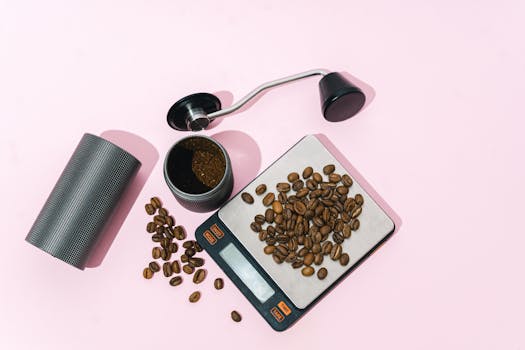
Place your portafilter on a digital scale before each shot. Weigh your dry coffee dose to the tenth of a gram, noting any variances. After extraction, weigh the liquid espresso shot for total yield consistency.
This scale habit gives you a reliable baseline, so you can confidently assess if flavor changes come from micro-lot variables or your technique. If your results feel off, check your dose and yield numbers before changing anything else.
Think of your scale like a chef’s thermometer—trusted for repeatable results, especially when micro-lots reveal surprising flavor notes that can be lost with sloppy technique.
Step-by-Step Grind Adjustment
Start each session by noting the grinder setting in your brew journal. Pull a test shot using your standard parameters. Taste critically for sour or bitter notes, indicating grind size is off.
To home in on sweetness and balance, adjust the grind finer for under-extracted (sour) espresso or coarser for over-extracted (bitter) shots. Change only one variable at a time and take notes. This orderliness matters most with nuanced micro-lots.
With espresso brewing, a recorded grind dial-in builds your confidence for consistently extracting delicate flavors, especially as you progress through different micro-lot batches over a month.
| Variable | Common Setting | Adjustment When Off | Takeaway Action |
|---|---|---|---|
| Grind size | Fine to medium-fine | Too fast/weak: go finer; too slow/bitter: go coarser | Adjust one step per shot and record |
| Tamping pressure | 30 lbs (standard) | If channeling/uneven, make pressure more consistent | Practice steady tamp with a bathroom scale |
| Dose | 18–20g (double) | Lighter or heavier as needed for basket/bean | Tune dose to highlight micro-lot sweetness |
| Yield | 36–42g (double shot) | Adjust to dial body vs acidity | Use scale, timer every extraction |
| Water temp | 200F typical | Colder for florality, hotter for density | Check machine’s calibration monthly |
Drawing Out Vibrant Nuance from Micro-Lots
Careful flow control during espresso brewing brings out a micro-lot’s most delicate notes, while preventing muddled or hollow cups. Controlling flow from pre-infusion through extraction helps retain aroma clarity and structure with these hyper-specific beans.
Pre-infusion wets the puck gently, preventing channeling that can wash out the nuanced flavors. Try a 5–10 second low-pressure bloom—your taste buds will notice a more even extraction in every sip.
Integrating Pre-Infusion for Delicate Beans
Engage your machine’s pre-infusion mode manually or automatically at a lower pump pressure. Allow water to saturate the puck evenly, and listen for the first drops falling to the cup. This sets up micro-lot beans for balanced extraction.
- Initiate manual pre-infusion for 8 seconds; release to full pressure at drop’s start. Keeps puck structure intact for even flow and uniform espresso brewing of subtle micro-lots.
- Avoid rushing pre-infusion—if you skip it, puck erosion risks astringency and erratic flavor. Be patient, respecting the micro-lot’s distinctive properties.
- Record pre-infusion time in your notes, so you can compare against results next time you dial in a different micro-lot batch.
- Interpret changes in crema color or aroma as signals—adjust pre-infusion as needed to reveal new layers of fruit, spice, or florals in each micro-lot.
- Consider pre-infusion your tool for revealing hidden facets in espresso brewing, especially with lots whose character shifts dramatically with minor technique tweaks.
Even the most vibrant micro-lot loses detail without controlled pre-infusion—make this step a ritual for espresso you’ll crave.
Balancing Extraction Time for Flavor Layers
Pulling shots between 25 to 32 seconds supports flavor development while avoiding harsh finishes. If your bloom is sweet but the finish puckers, shorten extraction duration by two seconds next attempt. Sharpen your timing, and taste the change instantly.
- Time every shot on your phone timer—it catches gaps your internal clock can’t, ensuring your espresso brewing stays repeatable with different micro-lots.
- If shots taste too sharp and thin: slow extraction by grinding finer or increasing dose. If muddled and flat: speed up slightly with coarser grind or smaller dose.
- Aim for steady streams that resemble warm syrup. Dripping or gushing streams indicate you should check tamp and grind size.
- Talk out your intentions with a friend at your bar: “I’m going to shave two seconds off the pull and see if the acidity pops more.”
- Analyze changes in flavor depth; note which second the main flavor wave hits your palate. Use this data to refine technique across micro-lots.
A 30-second shot isn’t a rule—treat it as a starting point to reveal layers in every new micro-lot you brew. Conscious extraction timing builds your flavor memory as you taste side-by-side.
Developing a Micro-Lot Flavor Memory
Building a flavor memory is crucial for advancing beyond standard espresso, especially when exploring diverse micro-lot flavor profiles. Memorizing nuance helps you spot subtle shifts and make informed brewing adjustments that bring out a micro-lot’s best.
Creating Descriptive Flavor Notes
Write down exactly what you taste in each pull. For example, note whether you get ripe berry at the start or gentle florals that linger. Compare phrasing with coffee tasting wheels, and use a friend for double-blind comparison.
Your notes serve as a feedback loop, making it easy to revisit the ideal flavor profile you nailed with one micro-lot, then re-create it with espresso brewing later. Good notes remove guesswork across seasons and new beans.
If you struggle to articulate flavors, try analogies: if a shot reminds you of apricot jam on toast, write it that way. Relating taste to everyday foods sharpens your recall for future dialing-in work.
Cueing Your Palate with Blind Tastings
Set up two identical shots—one from your current micro-lot, one from a control batch. Have a friend mix up cups so you don’t know which is which. Then sip both, pausing three seconds between sips.
Pay attention to mouthfeel as much as taste: how does the control shot’s body compare? Where does acidity hit on your tongue? This hands-on side-by-side builds a catalog of micro-lot “signatures” for consistent espresso brewing results.
Spot something you want to repeat—like a long floral finish? Note extraction variables for that shot. These references are anchors for perfecting future micro-lot pulls.
Cupping and Blending Micro-Lots for Unique Espresso
Bringing micro-lot flavors together for espresso blends opens new creative possibilities, letting you tailor shots to your exact taste map while preserving each lot’s distinction.
Start by cupping each micro-lot individually, tasting for qualities—like brightness, sweetness, or heavy body—that complement or contrast beautifully in a blend. Cupping outside the espresso format helps you choose partners with confidence.
Tasting and Noting Contrast Cues
Cup samples side by side. Record where one micro-lot’s finish fills a gap in the other. Think of blending like assembling a playlist: you want variety, but also cohesion throughout your tasting session.
Example: Pair a micro-lot bursting with juicy citrus against one with a chocolate-like backbone. Aim for a blend where espresso brewing yields a layered, clean cup—distinct yet harmonious. Let your notes tell you when a combo clicks.
If you find an unpleasant clash (for example, two high-acidity lots stacking up with piercing sharpness), dial back the ratio or bring in a third, rounder coffee to mellow the blend.
Setting Blending Ratios for Espresso Brewing
Mix micro-lots using measured gram weights. Start with an even 50/50 blend. Pull a shot, taste, and adjust ratios by 10 percent increments until the espresso feels defined, not muddled. Fine-tune by cupping each attempt and comparing notes.
Sample ratio note: “70% Lot A for brightness, 30% Lot B for cocoa structure—brings out lively fruit but stays balanced in espresso.” Documentation ensures you can recreate blends that nail your target profile.
Blending different micro-lots ensures every cup feels like a discovery, holding onto the adventurous spirit that defines specialty espresso brewing.
Conclusion: Elevating Your Home Barista Game with Micro-Lots
Refining your espresso brewing approach with micro-lot beans builds a skillset and palate that transform daily coffee into something memorable. Focus on repeatable dialing in, attentive extraction, and flavor memory to consistently craft espresso shots worth savoring.
Staying curious and willing to experiment lets micro-lots shine, helping you find joy in subtle flavor shifts as you taste and blend. The result: espresso brewing becomes a path to continual learning, discovery, and connection with each unique cup.
Keep notes, share experiences with other enthusiasts, and treat every new micro-lot as a fresh opportunity. By focusing on precision and intention, your espresso brewing will always offer a rewarding, dynamic flavor journey that stays exciting with every batch.
Frequently Asked Questions
What defines a specialty coffee micro-lot for espresso brewing?
Micro-lots are small, traceable, carefully processed coffee batches designed to emphasize specific flavors or terroir. For espresso brewing, these lots reveal complexity, balance, and layered aromatic notes that differ from standard blends or commercial lots.
How do I adjust my espresso brewing process for delicate micro-lots?
Use a digital scale, record your grind size, dose, and yield carefully. Start with mid-range extraction times, refine pre-infusion, and document changes. Delicate micro-lots demand more precise adjustments for sweetness and complexity than mainstream beans.
Why is pre-infusion important in nano-lot espresso brewing?
Pre-infusion gently saturates the puck, preventing channeling and uneven extraction. With micro-lots, this preserves nuanced flavors and aromatic integrity, letting subtle notes shine in your final espresso shot instead of being washed out or muted.
What’s the value of keeping flavor notes when brewing micro-lot espresso?
Flavor notes help you remember what works—down to the specific second, yield, and blend ratio. Consistent notetaking accelerates your learning curve, lets you identify what makes specific micro-lots unique, and enables you to repeat stellar espresso brewing results.
Can I blend multiple micro-lots for espresso, or is single-origin best?
Both single micro-lots and blends have their strengths. Blending lets you tailor flavor complexity and structure, enhancing enjoyment with layered profiles. Keep ratio notes, taste each combination, and enjoy the creativity that blending brings to espresso brewing.