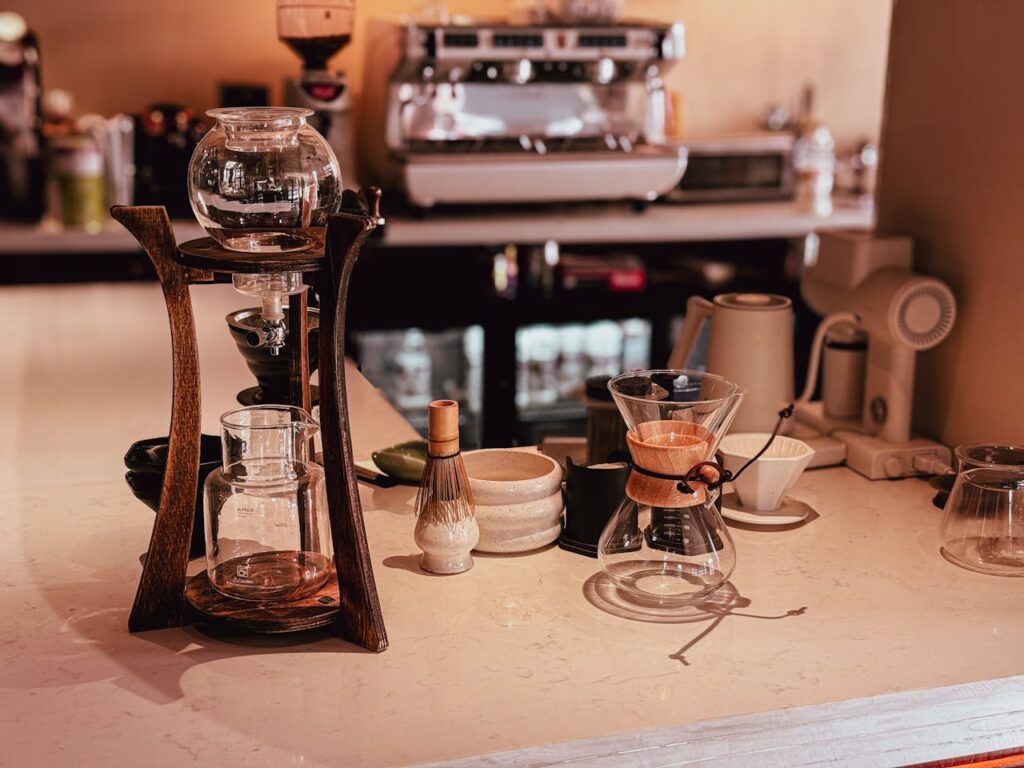
The first time you see a siphon brewer in action, it’s easy to think you’ve stepped into a science lab. Sleek glass bulbs, precise valves, and a swirling dance of coffee await. Specialty micro-lot beans transform inside these devices, showing off their nuanced flavors like nowhere else.
Coffee enthusiasts who cherish clarity and complexity are rediscovering siphon brewers for preparing micro-lot coffees. Exploring these next-generation brewers reveals a marriage of innovation and tradition, unlocking subtleties from beans that reward attention and care.
If you’re curious about brewing micro-lot coffees or want to experience new taste dimensions, this guide dives deep into the world of modern siphon brewers. Let’s uncover materials, micro-lot advantages, and practical guidance for your next brew session.
Identifying Key Features in Modern Siphon Brewers
Choosing the right siphon brewer equips you to highlight micro-lot flavors that might hide in other brewing methods. Let’s examine the newest features and how they elevate your daily cup.
Many brewers now incorporate precision temperature control, borosilicate glass, and modular designs. Each upgrade brings new ways to tailor extraction for rare micro-lot coffees, ensuring no subtle aroma gets lost in the process.
Temperature Stability That Matters
Next-gen siphon brewers include digital temperature monitoring, so you avoid the sharp spikes that can dull or scorch micro-lot flavors. Watching a digital readout lets you hover between 89 and 93°C, adjusting in real-time for evolving extraction needs.
Analogies can help: keeping water temperature steady in a siphon is a lot like keeping a soufflé from sinking—you monitor and tweak as needed. Practice precise adjustments so delicate single-origin beans shine.
Turn small dials or toggle induction bases in focused increments. If the display shows a dip below 92°C, gently increase heat to keep sweetness pronounced without extracting harsh notes.
Improved Build Quality for Everyday Use
The glass in modern siphon brewers resists thermal shock, making it suitable for daily use without risk of cracking. Reinforced seals and smoother gaskets keep every brew safe and consistent.
A friend who used an old brewer once said, “I always worried about cleaning or accidentally bumping it.” Today’s designs feel sturdy, encouraging regular use and rapid experimentation with small-batch lots.
Thicker handles and heat-resistant collars make pouring safer. After extraction, lift the vessel with confidence and minimize spills—a simple, observable change that fuels brewing consistency.
| Feature | Old Siphon Brewer | Modern Siphon Brewer | Takeaway |
|---|---|---|---|
| Heating Method | Alcohol Burner | Induction/Infrared Base | Ensures consistent heat for fine-tuned extraction |
| Temperature Control | Manual, Unregulated | Digital, Adjustable | Customize brew for each micro-lot |
| Filter Type | Cloth Only | Reusable Metal/Mesh/Cloth Choices | Experiment with body and mouthfeel |
| Material | Standard Glass | Borosilicate Glass & Stainless Elements | Reduces risk, increases durability |
| Disassembly | Cumbersome | Easy-to-Clean Modular Parts | More efficient daily maintenance |
Essential Preparation Steps for Micro-Lot Beans in Siphon Brewers
Dialing in each stage of brewing brings micro-lot beans to their peak. Following these steps ensures flavor clarity and highlights the origin character. An organized process makes every cup more predictable and enjoyable.
Start with measured ratios. Use a reliable scale—12 grams of coffee per 200 grams of water is a good reference. Freshly grinding just before brewing keeps flavors vibrant, even with very small batches.
Grind Consistency for Even Extraction
Uniformity in grind size invites even wetting and extraction in siphon brewers. For most micro-lot beans, aim for a slightly coarser grind than what you’d use for espresso, but finer than French press.
- Set your grinder to a consistent medium-fine profile to avoid over-extraction or muddiness in the final cup.
- Sift out visible boulders and fines before brewing. It helps maintain uniformity and preserves delicate top notes from micro-lots.
- Prioritize single-dosing beans, weighing amounts instead of relying on volume, to prevent unnecessary staling and maximize freshness.
- Label your beans with their roast date, as micro-lot flavors shift quickly week by week. Adjust grind size if flavors seem muted by mid-month.
- If you try a micro-lot with exceptionally high density, start a notch finer on your grinder and test extraction timing closely.
With these steps, your siphon brews consistently showcase what makes small-lot beans special.
Water Quality and Ratio Adjustments
High-quality water supports the unique taste profile of each micro-lot coffee. Avoid distilled water—aim for filtered or bottled options with balanced mineral content.
- Test tap water for total dissolved solids (TDS) using a digital meter. You want a range of 60–120 ppm for optimal extraction of micro-lot characteristics.
- Adjust your water-to-coffee ratio in 10-gram increments if the cup feels weak or over-intense.
- Heat water just below boil for brewing—try stopping at 94°C, observing how florals and citruses emerge from clean micro-lot origins.
- Record your daily recipes in a brewing log to spot trends or inconsistencies. Include date, time, and grind adjustments for each micro-lot.
- Taste side-by-side with friends, asking “Is the sweetness more pronounced today?” to refine your palate and deepen appreciation for singular lots.
Care in water selection and precise ratios elevates every detail from farm to cup.
Enhancing Flavor Clarity with Siphon Brewers and Micro-Lots
Using siphon brewers for micro-lot coffee brings out layered acidity and transparent sweetness you’d miss with immersion or standard drip. Subtle origin notes—like jasmine or cocoa—remain distinct.
Swirling agitation, glass walls, and pressure-driven extraction give siphon brews remarkable clarity. These brewers encourage attention to small changes in coffee dose, grind, or timing, rewarding you with vivid flavor shifts.
Customizing Agitation for Nuanced Results
Agitating in short, gentle bursts preserves sweetness without clouding the cup. Stir once clockwise at infusion, then briefly again before drawdown. This replicable step sequence prevents overdevelopment and highlights each micro-lot’s signature traits.
Try adjusting agitation time. A quick 5-second swirl compared to a vigorous 15-second mix produces noticeably more body and cocoa, ideal for fuller micro-lots. Record results to establish what highlights desired attributes for a given lot.
Think of adjusting agitation like seasoning soup: a little tweak changes the entire dish’s personality. Document what works and stick to the recipe for consistent, transparent flavor experiences.
Timing and Heat Exposure Rules for Complexity
Begin infusion when water fully rises in the upper bulb. Keep the bed saturated for 90 seconds, then cut the heat for an even drawdown lasting around 45 seconds.
If acids seem muted or the finish short, adjust contact time by 10–15 seconds per brew until you find the optimal window for each micro-lot.
Notice how a shorter exposure favors bright, floral notes while extending yields more chocolate or caramel depth. This hands-on timing control distinguishes siphon brewers from automatic machines.
Cleaning and Maintenance Routines for Siphon Coffee Brewers
Reliable cleaning methods ensure each micro-lot expression is pure, without stale residues holding back natural complexity. Smart, simple habits keep your siphon brewers in top shape and ready for daily experiments.
After each use, rinse glass parts thoroughly with lukewarm water. Never dry with rough cloths or reassemble while hot, as this can damage sensitive parts and create hidden cracks that spoil future brews.
Step-by-Step Daily Cleaning
1. Disassemble all glass pieces and let them cool gently before hand-washing.
2. Use a soft brush or sponge on stubborn grounds, focusing on filter housings and spouts where micro-lot residue gathers.
3. Rinse all components in filtered water to avoid introducing foreign flavors to the next batch.
4. Air-dry parts on a rack rather than using towels. This minimizes fiber transfer, which can dull micro-lot aromas.
5. Inspect gaskets and seals monthly for wear, replacing them to prevent leaks and inconsistencies in future brews.
Monthly Deep Maintenance
Fill the lower chamber with a dilute food-grade acid cleaner if mineral buildup appears. Swirl gently and let soak for an hour before rinsing repeatedly.
Clean filter discs and mesh assemblies with a toothbrush, removing trace oils and scents from previous micro-lot batches.
Re-lubricate moving metal parts and tighten screws as needed—this keeps mechanical features functioning precisely, enabling consistent siphon action throughout your brewers’ lifetime.
Comparing Siphon Brewers to Other Specialty Brewing Tools
Siphon brewers provide distinct visual and sensory experiences compared to pour-over drippers, French presses, or precision machines. Micro-lot coffee’s unique origin flavors can get muddled or overpowering in basic setups, but siphon brewers excel in highlighting clarity.
They match the hands-on ritual of pour-over while allowing more dramatic body and lingering aftertaste. Siphon brews distinguish themselves most when brewing lightly roasted, micro-lot coffee with rare tasting notes.
Recipe Tweaks for Side-by-Side Tasting
Prepare the same micro-lot coffee in a siphon, V60, and French press using identical coffee and water weights. Compare cups for differences in texture, clarity, and aroma persistence.
If a guest asks, “Why does the siphon taste so fruity compared to the French press?” point out the short contact time and gentle agitation.
Document your tasting notes for repeatable outcomes, helping you decide which device best expresses each micro-lot you bring home.
Scenario: Introducing Friends to Coffee Diversity
Invite a friend curious about specialty micro-lots for a head-to-head blind tasting. Serve three cups—one from each method—label C (siphon), P (pour-over), F (French press).
Observe which cup sparks surprise or delight. For complex floral coffees, the siphon’s clean body will stand out in direct contrast.
Share recipes and step-by-step guides after tasting, encouraging your guest to try siphon brewers for home experiments with micro-lot beans.
Sourcing Rare Micro-Lots for Your Siphon Brewer
Small-batch roasters provide a range of micro-lot options, often highlighting region, cultivar, and processing details on each bag. These rare beans are ideal for bringing out distinct flavors in siphon brews.
When scanning for micro-lots, look for bags with recent roast dates, clear altitude information, and flavor descriptors. Such transparency correlates to careful sourcing and trustworthy quality.
Checklist for Choosing Micro-Lot Beans
1. Confirm roast date: Aim for coffee roasted within the last 10–14 days.
2. Seek single-farm or smallest batch size indicated on packaging.
3. Read for unique processing details—washed, natural, or honey—all affect siphon extraction.
4. Prioritize flavor notes that intrigue you. Micro-lots excel in delivering mango-like fruit, sparkling acidity, or white tea subtleties.
5. Evaluate price according to transparency and traceability, choosing lots that support sustainability and producer equity.
Preparing to Brew Your New Micro-Lot
Store beans in airtight containers away from direct sunlight, excess air, and moisture. Grind only what you need, right before brewing in your siphon.
Plan tasting sessions with attentive friends, encouraging descriptive language and sensory exploration. A simple script works: “What’s the first aroma you notice? How does the finish evolve?”
Celebrate each brew’s distinct personality and use tasting notes to fine-tune your approach to future micro-lot purchases.
Unpacking the Takeaways: Siphon Brewers and Micro-Lots
Siphon brewers, enhanced by next-generation technology, transform micro-lot coffees into captivating aromatic showcases. Hands-on control, modular design, and consistent heat protect precious flavors in each rare small batch.
Every thoughtful choice—from grind size to water quality—lets unique micro-lot attributes stand forward. Documenting recipes and tasting impressions gives each brew lasting value, turning every session into a ritual of discovery and delight.
Those passionate about coffee’s possibilities will find limitless learning and sensory rewards by brewing specialty micro-lot beans with modern siphon brewers. Each mug speaks to a producer’s creativity and nature’s abundance—one carefully controlled cup at a time.
Frequently Asked Questions
What makes siphon brewers best suited for specialty micro-lot coffees?
Their glass construction, precise heat control, and short extraction windows preserve clarity, acidity, and sweet complexity in rare beans, letting nuanced notes come forward.
How do I clean my siphon brewer to avoid flavor carryover into new micro-lots?
Disassemble all components, rinse in filtered water, and allow air drying. Monthly deep cleaning with food-safe solutions prevents oil buildup and ensures pure flavors for each new lot.
Are modern siphon brewers worth it for only occasional micro-lot use?
Even infrequent users benefit from improved build quality and rapid setup times. Design upgrades reduce risk of breakage or leaks, making siphon brewers a low-maintenance, reliable choice for special brew days.
What grind size is ideal for micro-lot coffees in a siphon brewer?
Go for a medium-fine grind—slightly coarser than espresso but finer than drip. Uniformity allows optimal extraction, with minor tweaks to suit density and freshness of each micro-lot batch.
Can siphon brewing work with light, medium, and dark roasts from micro-lots?
Absolutely—siphon brewers shine with light and medium roasts, highlighting acidity and aromatics, but with careful timing can also balance fuller, richer flavors from carefully roasted dark micro-lots.