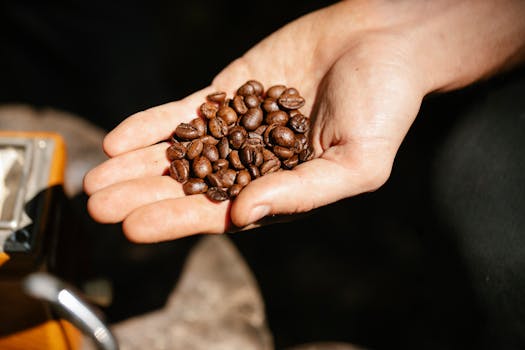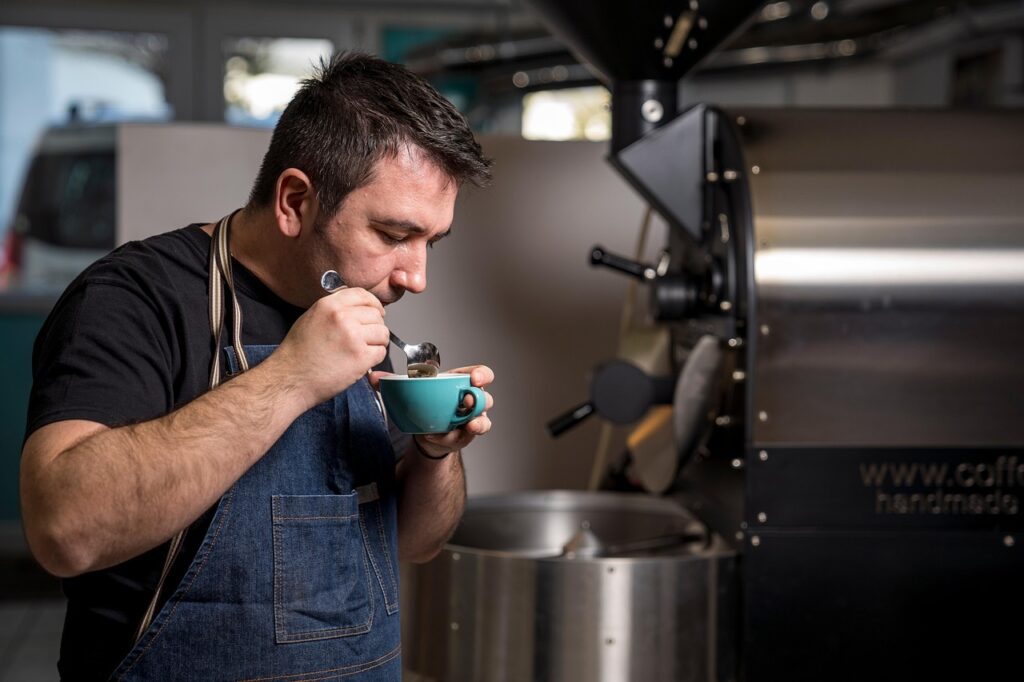

The way you arrange your coffee scene can turn an ordinary cup into visual poetry. Exploring specialty coffee micro-lots through creative coffee photography opens new perspectives on flavor, craft, and the ritual of savoring these unique brews.
Coffee aesthetics matter because every micro-lot tells a story—from the origin of rare beans to the artistry behind the perfect pour. Your lens can capture the essence of those stories and elevate your appreciation for specialty coffee.
Throughout this article, you’ll unlock hands-on strategies, fresh ideas, and pro insights for coffee photography that bring out the beauty of specialty micro-lots. Welcome to the artistic side of your morning brew!
Planning Your Specialty Micro-Lot Coffee Shoot Pays Off
Thoughtful preparation saves time and inspires eye-catching coffee photography results. Start each session by choosing a focus: the beans, preparation process, or finished cup.
Set a goal for a single image or a story sequence. Decide if you want to showcase a micro-lot’s origin, highlight barista technique, or create a cozy atmosphere around the brewing ritual.
Choosing Lighting that Fits Your Coffee Mood
Soft window light provides gentle shadows, revealing the texture of both micro-lot beans and pour-over tools. Natural light flatters specialty coffee details, without harsh glares or artificial color shifts.
When clouds diffuse sunlight, colors pop and shadows stay soft. If you shoot at midday, position sheer curtains to control brightness, making micro-lot coffee shine with a clean, even glow across your scene.
For dramatic effect, try side-lighting using a reflector or white poster board. This technique brings depth to your coffee photography by highlighting the rich crema or unique grind present in rare micro-lots.
Composing for Emotion and Storytelling
Think about where your viewer’s eye lands first. Arrange props so specialty micro-lots remain center stage—or lead the eye to a subtle coffee detail that says “artisan.”
Diagonal lines, like a tilted spoon or flowing milk, add movement and set a narrative within your frame. Play with negative space: sometimes, a half-full mug on a wooden table feels more intimate than a crowded tabletop.
Use layers for depth: a sack of green beans in the background or steam rising from a cup, reminding the viewer of the micro-lot’s journey from farm to cup.
| Aspect | Practical Example | Gear Suggestion | Actionable Tip |
|---|---|---|---|
| Lighting | Diffuse window light | Reflector board | Position near a window, use white board to bounce light. |
| Angle | Overhead flat lay | Tripod | Secure camera above setup for steady, detailed shots. |
| Focus Point | Crema or latte art | Macro lens | Zoom tightly on details for texture-rich results. |
| Props | Handmade ceramic cup | Minimal background | Choose props that complement, not distract from, the coffee. |
| Editing | Subtle contrast boost | Editing app | Edit for warmth, clarity, and accurate coffee color tones. |
Building a Unique Visual Style for Coffee Micro-Lot Portrayals
Establishing a signature style helps your micro-lot coffee photography stand out. Identify moods, color palettes, and angles that feel authentic, so viewers instantly recognize your work.
Experiment with subtle backgrounds—weathered woods, linen napkins, or vintage books—creating a cozy and genuine “coffee ritual” feel. Use these consistently to tie your gallery together visually.
Defining Your Brand’s Coffee Personality
Test phrases to guide your creative decisions, such as “earthy and organic” or “minimalist and crisp.” Each one leads to different prop choices and color tones in micro-lot coffee scenes.
- Pair ceramics with wood: Brings warm texture to your coffee photography and enhances the hand-crafted vibe tied to micro-lot origins.
- Limit your palette: Stick with 2–3 background colors so your shots feel cohesive and micro-lots remain the hero.
- Introduce a signature prop: Use the same spoon, book, or napkin in several photos for memorable branding across your specialty coffee content.
- Use repetition: Feature the same coffee mug or brewing method in different light situations to show the micro-lot’s versatility and flavor nuance.
- Edit for mood: Apply your favorite preset to unify your batch of coffee shots, making your feed instantly recognizable and rich in micro-lot storytelling.
Once you align your images this way, every micro-lot coffee photo will feel intentional and true to your personal aesthetic.
Prioritizing Consistency Across Your Coffee Portfolio
Create an editable mood board and revisit it when planning micro-lot coffee shoots. Consistent editing, angles, and lighting build trust as viewers return expecting your aesthetic signature.
- Shoot from repeated locations, such as the same kitchen table, to establish familiarity and draw the eye to differences in micro-lot coffees.
- Develop a color grading habit: If you use warm tones today, match them next week for portfolio harmony.
- Limit prop variety: Too many props distract from the featured micro-lot beans—simpler layouts highlight their rarity and character.
- Use the same editing software and save presets to maintain a unified look throughout your gallery or blog.
- Mark your best-performing images with notes on why they work; reapply those tactics for future micro-lot shots.
Consistency isn’t restrictive—think of it as creating familiarity that invites followers to know your micro-lot coffee story at a glance.
Crafting Stories from Bean to Cup: Documenting the Micro-Lot Journey
Immersing viewers in your micro-lot process—a pour, a swirl, a first taste—brings authenticity to your coffee photography. Each stage reveals flavor, skill, and sensory delight.
Visual storytelling means photographing every step, from weighing beans to the final cup. Tell the micro-lot’s story by focusing on movement and hands in action, inviting viewers to imagine themselves there.
Capturing Action: Pour, Steam, Sip
Freeze moments like water streaming through a V60, a steaming kettle, or the swirl of a milk pitcher just before pouring. Action shots communicate freshness and the tactile pleasure of brewing micro-lot coffee.
Use a fast shutter speed or burst mode for splashes and rising steam, and try low angles for immersive close-ups. Tighter crops focus eyes on craft, transforming a simple gesture into a highlight of micro-lot brewing.
Suggest a caption with real dialogue, like “Fresh from my single-origin batch—watch the crema form!” This approach turns photos into invitations for viewers to share in your micro-lot ritual.
Small Moments: Savoring the Experience
Get close to details—a hand cradling a warm cup, textured grounds in a filter, or the frothy result of a micro-lot pour-over. Focus on details that evoke smell or touch.
Juxtapose classic rituals, such as reading alongside micro-lot coffee, with new touches—think a rare bean in a handmade cup. Analogies to cherished routines anchor your photography in viewers’ daily habits.
Encourage interaction with scripts like, “What’s your favorite micro-lot pairing?” Mentioning coffee photography regularly keeps the conversation fresh and targeted for enthusiasts.
Closing Thoughts: The Art of Coffee Photography and Micro-Lots
Your photos, thoughtfully composed, can make specialty micro-lot coffee leap off the screen. Planning, style, and practical tactics combine for results that look effortless yet tell a deeper story about coffee’s origin and enjoyment.
Coffee photography for micro-lots transforms the everyday—whether using soft natural light or capturing latte art in motion, your skills help highlight the craft and care poured into every cup.
Let these strategies inspire your next shoot and reveal the nuances of rare brews to new audiences. Use these coffee photography tips to showcase micro-lots in ways that truly express what makes each one special.
Frequently Asked Questions
Can I use a smartphone for micro-lot coffee photography?
Modern smartphones have robust camera features. Use portrait mode, tap to focus on micro-lot details, and experiment with natural light. Consistent color editing enhances professional results, making your specialty beans stand out beautifully.
What backgrounds enhance coffee photography for micro-lots?
Natural materials—wood, linen, ceramics—highlight the authentic character of micro-lot brews. Neutral tones keep the focus on the coffee itself, while simple props reinforce the specialty aspect without distractions.
How do I avoid glare on coffee surfaces?
Angle your camera so light bounces off at a slant, not straight on. Soft window light or diffused lamps reduce harsh reflections when photographing micro-lot coffee, revealing more texture and color depth.
What props work best to tell a micro-lot’s story?
Include specialty tools (scales, pour-over devices), handcrafted cups, or origin cards. Add open bags of whole beans or folded tasting notes to connect viewers with the narrative of rare micro-lot discoveries.
How often should I mention coffee photography in my captions?
Mention coffee photography organically in every post’s narrative section or CTA. This consistency ensures your audience connects your visual storytelling with the broader specialty micro-lot coffee world.