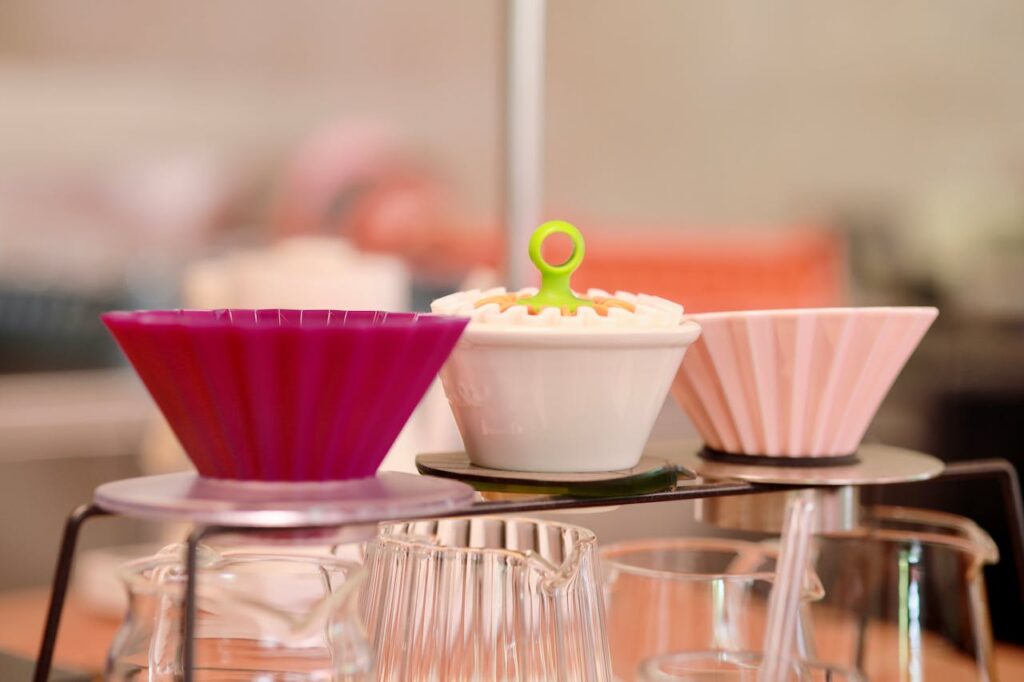
Most specialty coffee micro-lot fans remember the first moment they tasted a pour-over brewed cup that revealed flavors they’d never expected from coffee. That spark often leads to exploring different pour over drippers, including the celebrated V60, Origami, and Kalita models.
Specialty coffee micro-lots are prized for their clarity, complexity, and delicate origins. Choosing the right pour over drippers can enhance these unique qualities. Each dripper brings out specific traits, impacting aroma, mouthfeel, and clarity in every brew.
This guide unpacks the real-world impact of V60, Origami, and Kalita dripper choices, especially for brewing rare and nuanced micro-lot beans. You’ll get actionable comparisons and specific examples to help you brew the best from each cup.
Choose the Right Dripper for Your Specialty Coffee Micro-Lot
Dialing in the brewing gear matters when extracting vibrant flavors from a premium micro-lot. Each of the three major pour over drippers interacts with grind, water flow, and recipe in distinct ways—impacting extraction and balance.
Instead of guessing which works for which origin, see these drippers as tools: each honors a different side of a micro-lot coffee. You’ll maximize sweetness, clarity, or body depending on your gear selection and your pour technique.
V60: Spiral Ribs Boost Complexity and Clarity
When brewing a floral Ethiopian micro-lot, reach for the V60. Its conical shape and spiral ribs allow water to flow swiftly and evenly through the coffee bed, highlighting light, transparent notes and lively acidity.
Picture this: “I’m brewing a washed Kenya today. I use a 1:16 ratio and pour in slow spirals, noticing crisp currant and citrus. The V60 pulls out that sparkle effortlessly.” Try this method to achieve transparent, bright cups.
For those who love to tinker, the V60 rewards precise pouring. Adjusting your pour style can alter the cup—a continuous pour brings brightness, while pulses can add sweetness. Start with gentle, circular pours for balanced flavor clarity.
Origami: Flexibility for Funky or Experimental Micro-Lots
The Origami dripper features a flower-like shape with 20 vertical grooves, making it a versatile choice for experimental or fermented micro-lot coffees. Its design accommodates both conical and flat-bottom filters, shaping extraction method and final taste.
If you’re brewing a natural Panama Geisha, the Origami can handle thicker, uneven pours, maintaining bloom and drawing out layered fruit flavors. “For this juicy anaerobic lot, I go with a Kalita-style wave filter in my Origami,” a home brewer might share.
Origami encourages experimentation. Flip between filter types depending on whether you want a clean, shimmering cup or a more robust, syrupy body—perfect for exploring wild, small-lot profiles with shifting flavor stories.
Kalita: Flat Bottom Equals Uniformity and Sweetness
The Kalita dripper sports a flat bottom with three drainage holes, stabilizing extraction. This means no single channel for water—the flow remains even, emphasizing sweetness and rounding acidity, even in fruity micro-lot coffees.
Imagine brewing an extremely bright Burundi lot that needs restraint. A Kalita Wave flattens extremes, smoothing out overbearing brightness and boosting rich stone fruit sweetness. This is what a barista means by “controlling the wild side of a coffee.”
Try a 1:15 ratio, slow even pours, and let the Kalita mellow intense lots. It’s a go-to for those who prioritize balance and structure over top-end complexity—essential for tricky micro-lots that might overwhelm in other drippers.
| Dripper | Key Shape/Feature | Best For | Takeaway Action |
|---|---|---|---|
| V60 | Conical; spiral ribs | Complex, floral micro-lots | Use when seeking brightness and clarity |
| Origami | Ribbed cone; flexible filter options | Experimental, fruit-forward beans | Switch filter for clean vs. syrupy results |
| Kalita | Flat bottom; three holes | Smooth, sweet micro-lots | Balance acidity and boost sweetness |
| Chemex | Thick filter; wide pour area | Delicate, tea-like lots | Opt for clarity, less body |
| Clever Dripper | Immersion/steep-and-release | Chocolatey, bold lots | Try immersion for body and ease |
Spot Flavor Nuances with Methodical Pour Techniques
Brewing with pour over drippers rewards methodical steps and iteration. Each dripper expresses micro-lot flavors differently when you adjust pour sequence, water temperature, or filter type—creating room for custom recipes per bean profile.
Consistency here pays off. Apply the same protocol every time and log results, then adjust a single variable—flow rate, grind, or filter—to reveal how each change shifts the cup’s clarity, body, and sweetness from your micro-lot brew.
Pour Strategy: From Bloom to Final Pour
You’ll want to start with a generous bloom to release gas, especially for fresh or lightly roasted micro-lot beans. A well-managed bloom leads to more even extraction later on.
- Pre-wet the filter to remove paper taste, hold the device steady, and preheat everything for stable temperature. Consistency in your preps ensures repeatable results with each micro-lot.
- After adding grounds, pour just enough water for the bloom, typically double the coffee’s weight. When gas release visibly slows, begin your main pours, either in slow spirals or controlled pulses depending on dripper.
- For V60, keep your pour spiral tight and continuous to enhance clarity. For Kalita or Origami, try a pulsed pour to accentuate body and sweetness. Each pour method interacts with the specific bean’s roast and density.
- Always finish your pour based on the dripper’s design—avoid over-extraction at the end. With Kalita, stop when coffee covers the bed; with V60, let water drain fully for a clean finish.
- Record your approach: ratio, timing, temperature, and pour style. Noting small changes helps replicate the perfect cup and finely tune results for every unique micro-lot batch.
Trying these steps ensures you’re able to pull nuanced flavor notes from even the most complex specialty beans, all while honoring the characteristics that make micro-lots distinct.
Getting the Filter Right: Fine-Tune For Your Micro-Lot
Choosing the optimal filter affects how much texture, body, and clarity comes through in your brew. The Origami lets you swap between wave and V60 filters—a unique advantage for experimental micro-lots.
- Use a traditional V60 filter for brighter, cleaner cups. This pulls forward acidity and transparency, letting floral and citrus notes sing in light-roasted micro-lots.
- Reach for a Kalita-style wave filter when you want more body and a creamy texture. Gentle, consistent flow aids extraction and highlights sweetness and depth.
- Try Japanese thick paper for earthy or herbal micro-lots. These filters emphasize clarity and tame grittiness, ensuring the origin’s subtler flavors don’t get masked.
- For washed East African beans, opt for thin filter papers to avoid excess silt. These maintain liveliness while ensuring clarity with minimal grounds in your final cup.
- Blended micro-lots benefit from double filtering—once in the dripper, once when pouring into the cup—catching fine grinds that could muddy nuanced, balanced lots.
Preparing the filter with intention, not habit, can unlock new flavor profiles in your next pour over drippers session. Swap filters and note how the cup evolves—repeat with each new batch.
Identify Dripper Strengths to Match Unique Micro-Lot Profiles
Each specialty coffee micro-lot presents distinct sensory opportunities. By pairing the right pour over drippers and filter technique, you can emphasize fruit, clarity, or body traits that define rare coffees. This section breaks down which dripper best fits popular micro-lot scenarios.
Light-Roasted Ethiopian and Kenyan Micro-Lots: Choose V60 for Vibrancy
V60 brings delicate floral, citrus, and berry notes forward—a clear match for washed or honey-processed African micro-lots. Spiral pours across conical walls lengthen contact time, developing sharp acidity and crisp finish. Tea-like clarity emerges when you grind slightly coarser than table salt for even extraction.
A home barista might remark, “This Yirgacheffe loses its vibrancy in my Kalita, but the V60 keeps the jasmine and peach distinct.” Pouring steadily, using 200°F water, and swift draining are concrete choices that boost fragrance and sharpness in these origins.
Start your pour with a solid bloom, then spiral outward. Stop as soon as water subsides—avoiding bitterness. Experiment: adjust pour speed or grind for more nuanced acidity, not muddiness.
Natural-Processed Micro-Lots: Origami for Custom Extraction
Origami’s adaptable filter options make it a favorite for fruit-laden or wild-yeast micro-lots, where you want to balance juicy flavors and syrupy mouthfeel. Using a Kalita wave filter in the Origami slows drainage, extending sweetness and body.
To emphasize sparkling fruit complexity, grind just a touch finer and pour in pulses—burst-pouring helps draw out layers from natural or anaerobic Colombian micro-lots. A fan of layered, full-bodied cups will appreciate this approach to micro-lot processing diversity.
One example: a home enthusiast says, “My anaerobic Panama Geisha is all berries and jam with Origami’s wave filter. I pour in bursts, pause to let layers build, then drain for a rich cup.” Emulate this to maximize micro-lot fruitiness.
Traditional Washed Central American Micro-Lots: Kalita Delivers Balance
The Kalita’s flat-bottomed, triple-hole design encourages filling sips—a great match for balanced Guatemalan or Honduran lots. These coffees shine with a syrupy texture and mellow sweetness, thanks to even-bed extraction.
Start with medium-coarse grind and a steady, slow pour across the bed. Pull back on agitation or stirring—letting gravity do the work. Consistent flow brings harmony, not oversaturated or bitter flavors, to every cup from structured micro-lot beans.
Script: “My Antigua yields stone fruit and caramel—nothing fights for center stage.” Kalita lets you experience the smooth, classic style specialty coffee micro-lots can achieve.
Comparing Drippers Elevates Specialty Coffee Micro-Lot Potential
Exploring V60, Origami, and Kalita pour over drippers reveals distinct advantages for every specialty coffee micro-lot. Careful pairing of method to bean draws out the most vivid, nuanced character from rare, high-quality origins.
Recognizing the differences in extraction, bloom strategy, and filter selection leads to better results with each micro-lot roast. Every session becomes a tailored experience—great drippers transform good beans into unforgettable cups with clear, lasting impressions.
Next time you approach a new bag, choose the dripper that matches your flavor goals. Pour over drippers, combined with mindful technique, let you unlock each micro-lot’s unique personality—one handcrafted cup at a time.
Frequently Asked Questions
Why do micro-lot coffees taste so different in each pour over dripper?
Each dripper (V60, Origami, and Kalita) changes water flow and contact time, pulling out various notes from the beans. The flat Kalita evens extraction, while the V60 brings clarity to distinct micro-lots. Origami allows filter swapping for extra flexibility.
Which dripper works best for very dense micro-lot beans?
V60 typically suits dense, lightly roasted micro-lots by promoting even inner-bed saturation and rapid draining, which prevents bitterness. Adjust grind coarser and pour slower to heighten sweetness and clarity in these specialty beans.
How does filter choice impact flavor clarity with micro-lots?
Filter thickness, material, and shape affect extraction speed and mouthfeel. Origami lets you try wave or V60 filters; test both to fine-tune for clean vs. syrupy results. The best filter often depends on the specific micro-lot’s roast and processing method.
Can I use the same pour technique across all pour over drippers?
While some fundamentals stay the same—pre-wet filters, bloom, track time—each dripper rewards its own pouring style. Spiral pours benefit the V60; pulsed sequences boost Kalita, and flexible patterns shine in the Origami. Adjusting to each tool helps micro-lots stand out.
What’s a quick way to tell if a pour over dripper suits my micro-lot coffee?
Taste for clarity and sweetness. If a micro-lot’s fruit or floral notes feel muddled, swap drippers or filters. A marked improvement signals a better match. Keep notes, then use that setup when you return to similar beans.