Imagine sipping a cup of coffee bursting with bright, complex flavors, each note revealing a story from the mountains where the beans were grown. Specialty Coffee Micro-Lots produced at high altitudes deliver these unique profiles—and pour over brewing makes them shine.
Global demand for rare, high-elevation micro-lots has flourished as coffee lovers seek flavors you won’t find in mass-produced beans. With pour over brewing, each variable accentuates the beans’ origin, letting their distinctive sweetness or tartness surface.
This guide unpacks the precise pour over brewing steps and strategies you need for high-altitude micro-lot coffees. Embrace the details and try fresh techniques, and you’ll unlock new layers in every cup.
Dialing In Your Coffee: Setting Brew Variables That Highlight Micro-Lots
Accurate control over your brew process delivers consistent flavor clarity. When you use pour over brewing with high-altitude micro-lot beans, slight changes in grind or water can sharpen fruitiness or soften acidity.
Anticipate slightly denser beans from higher elevations. Their structure demands more precise grind settings and water temperatures to avoid masking delicate florals or ripe citrus notes. Let’s break down how micro-adjustments reveal their best.
Choosing Grind Size That Matches Altitude Density
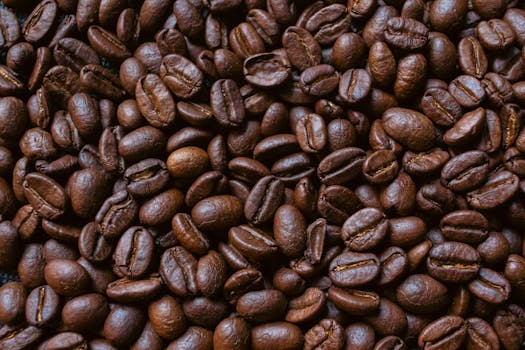
Start by noting the beans’ density: high-altitude micro-lots are harder than lowland beans. To bring out their brightness, use a slightly coarser grind than you would with softer beans.
Coarser grounds slow extraction, keeping those flavors vibrant without overdeveloping bitterness. If your pour over brewing results taste harsh or dull, your grind may be too fine—loosen it slightly for balance.
When evaluating grind, adjust in small steps and taste repeatedly. Watch for notes like “this is intense, almost lemony” or “there’s a sweet, clean finish.” These clues guide your next tweak—never trust grind charts alone with micro-lots.
Fine-Tuning Water Temperature for Altitude Complexity
Hotter water brings out heavier body, but it can overpower floral finishes in delicate micro-lot coffees. For high-altitude beans, target temperatures between 195°F and 202°F; start lower on the spectrum.
If you sense muted aromatics or bite, lower your temperature a couple of degrees next brew. Pour over brewing reveals the subtlest differences—experiment and note how fruit and florals respond.
Picture brewing on a brisk morning, a few degrees cooler. Use that as a natural reference: a touch less heat preserves the lively, complex notes, just like that mountain air did when the beans were growing.
| Brew Variable | High-Altitude Strategy | Observable Effect | Next Step |
|---|---|---|---|
| Grind Size | Coarser than usual | Cleaner acidity, floral notes emerge | Adjust in small increments |
| Water Temp | 195–202°F | Delicate notes preserved | Lower temp if too sharp |
| Ratio | 1:16–1:17 | Highlights subtlety | Nudge coffee dose for strength |
| Brew Time | 3–4 minutes | Balanced extraction | Faster pours for brightness |
| Agitation | Gentle swirl | Increases clarity | Reduce if flavors muddle |
Designing a Recipe: Specific Steps for High-Altitude Pour-Over
A consistent recipe is your foundation for repeatable, flavorful results. Prepare by weighing both beans and water—high-altitude micro-lots reward attention to every detail during pour over brewing.
Follow each step precisely, but don’t hesitate to adjust in future sessions. Real-world results—aroma, flavor intensity—matter more than theory. Here’s a step-by-step breakdown with specific checkpoints.
Step-by-Step Pour Sequence for Highlighting Bean Origin
Begin by pre-wetting your filter and warming the carafe to stabilize temperature. Next, add coffee grounds and tap to even the bed for uniform extraction during pour over brewing.
Start your timer and gently pour twice the weight of coffee in water (for 20 g coffee, pour 40 g of water) in circles to bloom. Wait 30–45 seconds as air and gases rise visibly.
Slowly continue pouring in controlled spirals, pausing to let the level drop. Consistency brings out clean layers: someone watching might say, “You pour in slow, smooth ribbons.” Aim for about 3:30 total brew time.
- Measure beans by weight for predictability—aim for 20 g per 320–340 g water for clarity, not heaviness.
- Use filtered water to reduce mineral interference, which lets micro-lot subtleties shine. Unfiltered tap water can bury nuanced flavors.
- Pre-infuse grounds to trigger blooming, releasing CO2 trapped during roasting—micro-lots, being fresher, release more. Look for bubbling as your visual cue.
- Pours should never rush. Hold the kettle low and steady for even extraction. A shaky stream leads to uneven flavors that don’t do justice to high-altitude micro-lots.
- Let the brew finish dripping entirely before serving. Cutting short your pour over brewing means incomplete flavor development—a mistake with rare micro-lot beans.
By focusing on each deliberate pour, you’ll create a balanced extraction that honors unique flavor profiles. Consistency and patience pay off with specialty beans.
Using a Taste-and-Tweak Cycle to Refine
Sip and evaluate each cup, noting elements like stone fruit sweetness or jasmine perfume. Pour over brewing always invites feedback: “Next time, I want a touch more acidity,” you may tell yourself.
- Taste as the cup cools. Flavors evolve and clarify—berry notes might emerge after a minute, replacing initial chocolate tones.
- Adjust by single variables next session: if you seek more brightness, ratchet up coarseness or lower temperature by just two degrees.
- Keep a journal with simple notes: steep times, water source, or grind adjustments. Refer to these for future micro-lot sessions to identify clear improvements.
- Never change more than two variables at once to prevent masking the root cause of changes in cup quality.
- Refining pour over brewing works best as a habit: test ideas, pursue improvement, and embrace different micro-lot personalities as you discover them.
This cycle of evaluation and careful tweaking sets the best brewers apart—especially with precious micro-lot beans.
Packing Aroma into Every Cup: Bloom Timing and Pour Speed Playbook
Brew timing unlocks vibrant and lasting aroma, particularly with specialty coffee micro-lots. The right pour sequence—especially the bloom and pace—releases fragrances otherwise trapped within dense high-altitude beans.
When you adjust pour over brewing timing, expect direct changes in aroma complexity and stability. Two core aspects, bloom length and pour speed, determine how fully the cup expresses its origin story.
Dialing Bloom Time for Fresh Micro-Lots
High-altitude micro-lot beans, roasted fresh, contain more trapped CO2. In pour over brewing, extend bloom to at least 40 seconds—watch for intense bubbling and a rising aroma plume as you pour.
If the bloom collapses instantly, let it linger a touch longer on your next brew. This adjustment enhances not just scent, but the first sip’s clarity—someone catching the scent from across the table might look up and smile.
Don’t cut bloom time short, especially with ultra-fresh micro-lots. A full, airy bed of grounds is the signal you’ve unlocked most aromatics before continuing the pour sequence.
Controlling Pour Speed for Ultimate Clarity
Pour speed crafts extraction balance. A gradual, steady pour (aim for 45 seconds per 100 g water) ensures delicate flavors linger without harshness, while a hurried pour can muddle distinct notes into blandness.
Pouring with slow, controlled motions creates a visible, level coffee bed; charge each water addition only after the previous drawdown slows. This stepwise approach highlights clarity—someone could mirror your technique simply by watching your consistent hand movements.
If your cup feels heavy or monotone, slow your pour next time. Conversely, if it’s thin and sharp, pick up the pace just slightly. Your own hand movement is the best teacher here—adjust rhythm for your perfect micro-lot cup.
Adapting Techniques for Rare Micro-Lot Processing Styles
Different micro-lot processing styles—like natural, honey, or anaerobic—alter the ideal recipe for pour over brewing. Recognizing processing cues yields richer, more honest expressions in your cup.
Processing influences final moisture, density, and oil levels; each demands a unique brewing approach. Recognizing these differences helps you adapt, so you don’t miss out on signature flavors found only in these specialty beans.
Natural Process Micro-Lots: Maximizing Fruit Punch
Natural-processed beans from high-altitude micro-lots exude fruit-forward profiles. For pour over brewing, lower water temperature by one or two degrees to keep berry or stone fruit notes bright, not boozy.
Agitate the pour just once during blooming—excess stirring mutes fruit. Visualize a gentle swirl, like turning a wine glass to open aromatics, stopping before the color blends.
Someone serving this cup might explain, “You’ll get more raspberry if you keep agitation minimal—taste before and after to compare differences.” Fans of lively fruit flavors will appreciate this tweak.
Honey and Anaerobic Lots: Softness with Structure
Honey-processed high-altitude micro-lots bring balanced sweetness and a tactile mouthfeel. During pour over brewing, choose a slightly finer grind to extend extraction just enough to coax out caramel or floral undertones.
Anaerobic micro-lots, which ferment in oxygen-limited tanks, can taste funky or wine-like. Lower the dose by half a gram, aiming for a smoother, lingering finish—especially if you notice the cup overwhelming with yeasty notes.
Imagine hearing, “This cup has layers of white grapes and nougat if you tweak grind and dose together.” Adaptability lets you celebrate characteristics unique to these micro-lot gems.
Specialty Gear: Tools That Enhance Micro-Lot Clarity and Balance
Upgrade your pour over brewing with equipment that empowers subtlety. Specialty micro-lot beans reward clear, consistent extractions, and the right gear narrows flaws while magnifying strengths.
Tools chosen thoughtfully make micro-lot brewing feel like precision work—akin to a chef’s choice of knife for each ingredient. Here are the essentials and their impact on the cup.
Variable Temperature Kettles: Unlock Delicate Aromatics
Temperature-stable kettles let you hit specific brewing targets—vital for high-altitude micro-lots. See how a gooseneck spout pours in a narrow stream, enabling precise agitation and gentle extraction during every pour over brewing cycle.
Simply think, “Today’s Ethiopian micro-lot stands out more at 195°F,” or “I’ll bump it to 200°F for a Guatemalan lot.” Small, reliable adjustments keep delicate characteristics in focus.
Pour control feels almost meditative, allowing you to orchestrate blooming and main pours in a deliberate, repeatable sequence each morning.
Quality Burr Grinders: Controlling Consistency
Micro-lot clarity starts with uniform particles. Invest in a burr grinder, as blade models create uneven sizes—outliers cause bitter or sour bursts in the finished cup, muddling the pour over brewing process.
Consider this rule: never use a pre-ground bag when showcasing micro-lot traits. Even the subtlest inconsistency leads to cup-to-cup surprises, hiding what makes these beans shine.
Think, “A 20-second grind produces a fluffy mountain of grounds—each granule ready for even extraction—unlike unpredictable piles from a regular grinder.” Precision unlocks the best flavors.
Exploring Advanced Tactics: Layering and Flow Rate Modulation
Finely tuned pour over brewing with high-altitude micro-lots gets creative at advanced stages. Techniques like layering and flow rate tweaks take finished cups beyond just clean, transparent profiles—unlocking new experiences from the same bag.
Layering adjusts pouring intervals. Pour in stages—say, three 100 g pours over 30 seconds, pausing in between each. This intensifies sweetness at the finish, or adds tactile body without muddling acid-fruit complexity.
Implementing the “Pause and Pour” Workflow
This method involves pouring part of the total brew water, waiting for the drawdown to finish, and then reapplying. It mimics wine decanting—airing out flavors slowly, inviting friends to sample major changes.
Try announcing, “My goal is a velvety finish—I’ll experiment with a mid-brew pause for this Panama micro-lot.” In demonstrations, it’s the moment faces light up on first sip.
Document each workflow with a sticky note—date, interval lengths, and flavor impressions. These records fine-tune your approach to every new micro-lot batch.
Adapting Pour Flow to Bean Size Distribution
High-altitude micro-lots occasionally arrive with a range of bean sizes due to meticulous but small-scale processing. With irregular beans, increase pour agitation early in bloom for even extraction—each bean gets saturated regardless of size.
This step prevents dry pockets in the coffee bed—pour over brewing is only successful when all grounds interact with water. A friend may point out, “You swirled more at the start, and I taste more clarity.” Consistent agitation leads to reliable results.
Repeat this with every bag, noting if visually varied beans or roast colors require an extra bloom pour or a second agitation swirl.
Final Reflections on Experimenting with High-Altitude Micro-Lots
Pourover brewing with high-altitude micro-lot beans delivers more than just a cup—it yields an ongoing adventure in taste, technique, and discovery. Each brew is an opportunity to learn from the bean, the equipment, and yourself.
Take pride in advancing your skills through attention to variables: grind, temperature, timing, and pour style. High-altitude micro-lots demand care, rewarding you with cups that capture mountain air and extraordinary landscapes in liquid form.
Approach every session as both a student and a collaborator with the beans—each adjustment brings you closer to the flavors unique to small-batch specialty origins. Celebrate your results, refine your methods, and share every memorable sip with others.
Frequently Asked Questions
What grind size works best for high-altitude micro-lot pour over brewing?
Start with a slightly coarser grind than you’d use for standard beans, then adjust by taste. The harder density of high-altitude beans makes a medium-coarse grind a reliable starting point for extra flavor clarity.
Is filtered water necessary for micro-lot pour over brewing?
Yes, because filtered water reduces mineral and chlorine content that can overpower delicate flavors. Hard or chlorinated water may hide complex notes in micro-lot beans, so always use clean, fresh water for authentic expression.
How can I tell if I’m over-extracting micro-lot beans in pour over brewing?
If your cup tastes bitter, astringent, or lacks the signature sweetness of the origin, you’re probably over-extracting. Tweak the grind coarser or lower the temperature a few degrees to recover balance and highlight origin traits.
Do I need different recipes for natural, honey, or anaerobic micro-lot processes?
Yes, each process impacts soluble content and flavor structure. Naturals need less agitation and lower water temps; honey and anaerobic types may require finer grind or dose tweaks to express all their unique characteristics consistently.
Is pour over brewing the only way to enjoy high-altitude micro-lots?
Pour over brewing best reveals nuance and origin transparency, but high-altitude micro-lots can be appreciated with other manual methods. Each preparation style offers a new angle on the same exceptional beans—experimentation is encouraged!