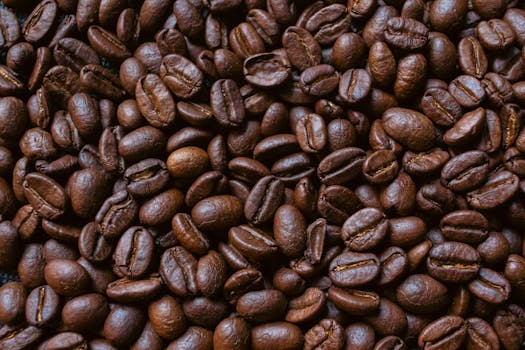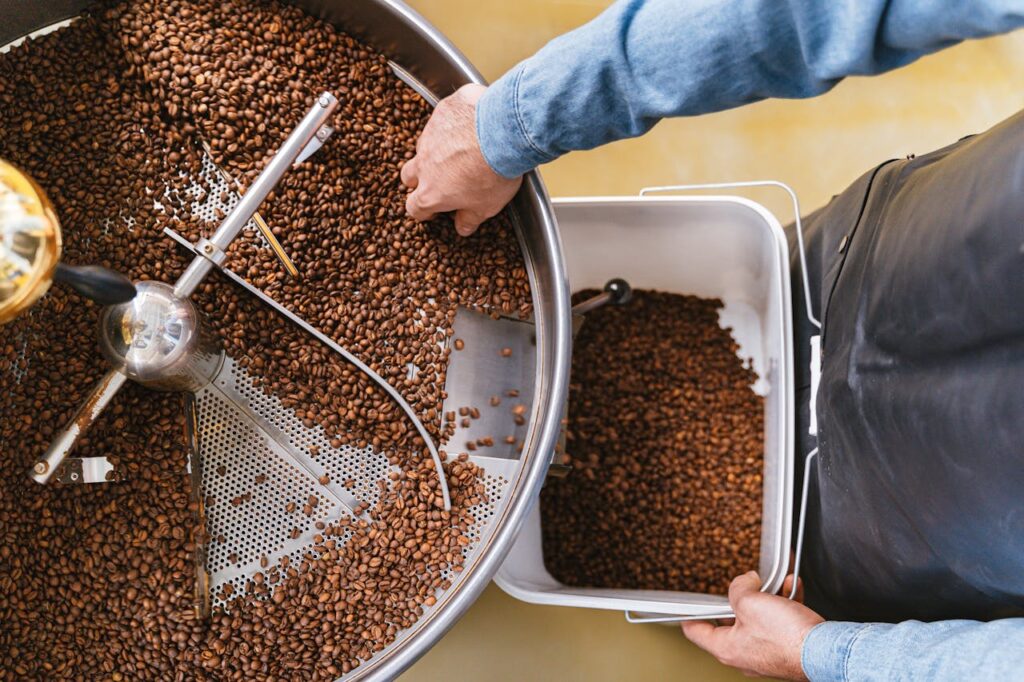
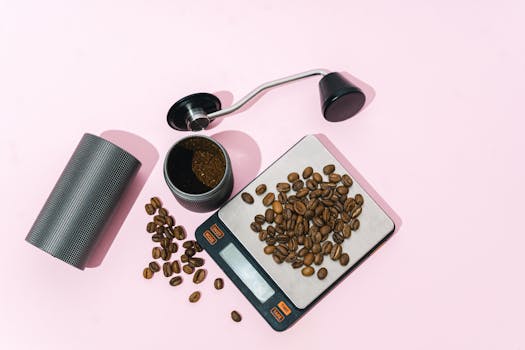
That moment when a micro-lot coffee truly sings in your cup — crisp, nuanced, with clarity — it’s not magic. Behind the scenes, precision grinding quietly does the heavy lifting, drawing out every subtle note your favorite nano-lot has to offer.
Specialty coffee micro-lots set a high bar, promising flavors shaped by unique terroir, expert farming, and meticulous post-harvest handling. However, the way these rare beans are ground can make every detail matter even more. It’s here that precision grinding becomes essential for consistency and excellence.
Throughout this article, you’ll learn why precise grinding is a keystone for nano-lot quality, how to dial it in for different brewing styles, and what actionable steps, comparisons, and expert routines can help you get every cup just right.
Choosing the Right Grinder for Nano-Lot Uniformity
You can control micro-lot flavor expression starting from your grinder. Selecting the right tool ensures each coffee particle extracts evenly, letting every micro-lot shine. This section reveals strategies, specific examples, and clear next steps for your brewing toolbox.
Precision grinding means far more than dialing in a size — it covers machine construction, burr geometry, and daily consistency checks. Treat grinder selection for micro-lots like a chef chooses knives: it’s about control and matching to the task.
Flat vs. Conical Burrs Side-by-Side
Baristas working with delicate nano-lots often debate flat versus conical burrs. Imagine you’re preparing an Ethiopian honey-processed micro-lot: a flat burr grinder delivers uniform particles, lending crisp, transparent notes to your cup, just like matching puzzle pieces.
If you choose conical burrs instead, expect more varied particle sizes. This can boost body in micro-lots with pronounced fruit, but risks muddling floral top-notes. A helpful takeaway? Match burr geometry to the dominant flavors you want to highlight.
The next time you test a new micro-lot, split one batch between flat and conical grinders. Taste side-by-side. Record which style best uplifts your coffee’s defining trait—then stick to that pairing for repeatability.
Building a Particle Size Routine
Imagine your daily workflow with rare nano-lots: precision grinding starts with burr calibration. Ask yourself, “Are my grounds truly even?” Hold a sample on white paper, use a hand lens, and compare.
Set a checklist: check calibration weekly, run rice through for cleaning, and log adjustments in a tiny notebook. This habit, though simple, lets you trace back exactly what worked when a cup stuns you with clarity or fails to deliver sparkle.
Equip each grinder station with a labeled brush and condensed air can. After every new micro-lot, brush burrs and grind a small purge dose. This keeps cross-contamination at bay — and flavors pure.
| Grinder Type | Particle Uniformity | Flavor Impact | Action Step |
|---|---|---|---|
| Flat Burr | Very High | Crisp, bright notes, clear separation | Use for floral or tea-like micro-lots and pour-over |
| Conical Burr | Moderate | Fuller body, sometimes less clean | Try with naturally processed or fruit-forward beans |
| Blade Grinder | Low | Inconsistent, muddled flavors | Avoid for specialty micro-lots |
| Hand Grinder (High-End) | High | Balanced extraction, ideal for travel | Use for nano-lot testing on the go |
| Burr Wear Impact | Declining over time | Flatness, reduced clarity | Calibrate and replace burrs at set intervals |
Dialing in Particle Size: Reproducible Routines
You can deliver repeatable flavor in any micro-lot by locking in an evidence-based grind size process. A repeatable approach makes micro-lot experiments less guesswork and more discovery, especially when paired with specific routines and lists.
Begin by finding the target range that fits the brew method and flavor profile you want. Then, commit to a single grind-step change at a time, tasting along the way.
Using a Sieve Set to Validate Grind Range
Deploying a basic coffee sieve set instantly clarifies whether your grind fits your selected range. Pour freshly ground coffee into progressively finer sieves—note the distribution in a log. Sifting can reveal clumping or excess fines before you brew.
- Gather micro-lot beans and grind using your usual setting — for reference, use 18 grams for pour-over.
- Pour grounds into calibrated sieves stacked from coarsest to finest. Shake for one minute in a constant, circular motion.
- Record the amount caught in each sieve. More than 15% fines (powdery residue) means you risk bitterness in extraction.
- Adjust your grinder one notch coarser and repeat. This hands-on practice lets you measure changes and refine faster than taste alone.
- Mark every “winning” result in a logbook, so next time you get a similar nano-lot, your grind size isn’t guesswork.
Commit to this process at the start of every new micro-lot batch for consistent flavor clarity.
Comparing Hand Feel: When Sieves Aren’t Available
Rubbing ground coffee between fingers teaches you texture awareness without special tools. Think of it like a baker judging dough readiness by touch rather than by sight.
- Rub a pinch of grounds between thumb and index finger. Sand-like means ideal for Chemex, flour-like is too fine and best reserved for espresso.
- Clean your hands and re-sample after each grind change—this prevents confusing flavors from old residues.
- Log your preferred finger-feel for each brewing style, so you quickly recall what felt ‘right’ with each micro-lot batch.
- Train others at home or in the café by letting them feel three samples blind and match to a reference guide.
- Share your findings or reference notes when teaching others to standardize grind for micro-lot coffees.
Even advanced baristas revisit this tactile approach as a ‘spot-check’ to keep their grind intuition sharp across new lots.
Optimizing Extraction to Match Micro-Lot Character
Aligning your extraction with micro-lot character lets distinct origin notes bloom. The small size of nano-lots makes calibration even more critical; you want every cup to show the best the beans offer.
By pairing grind precision with mindful steep times and water quality, you amplify what makes each micro-lot unique, from floral complexity to crisp acidity.
Brew Ratios for Nano-Lot Consistency
Start with a 1:16 coffee-to-water ratio for pour-over. If your ground coffee is precise, extraction will be even and highlight the micro-lot’s sweetness or floral highs. Adjust only one variable—grind or time—per brew for clear feedback.
Espresso pairs best with a 1:2 ratio. Here, precision grinding prevents channeling and dryer shots. Maintain steady tamp and distribute grounds evenly to ensure that every precious micro-lot gram contributes to the whole flavor profile.
If you notice one batch tasting muted or sharp, first cross-check your grind setting and extraction time on your calibration log. Consistency in grind equals fewer surprises and better quality control, especially in rare nano-lot bags.
Water Temperature and Mineral Content Interplay
Start with water just off the boil (200°F or 93°C) to extract flavors predictably from even grinds. If your grind is off, water temperature changes won’t fix channeling or under-extraction’s flat taste.
Combine precise grind and optimal water for each micro-lot: lighter roasts benefit from slightly higher temperatures if ground finely and evenly. This tandem approach uncovers sweetness and acidity without tipping into bitterness or sourness.
Track which combinations yield the cleanest cups, especially when testing new micro-lots. Write them down, as consistency with both water and grind saves time and preserves rare coffee stash for sensory enjoyment, not corrections.
Conclusion: Precision Grinding as a Nano-Lot Game Changer
Precision grinding transforms rare micro-lots from intriguing prospects to repeat triumphs. By sticking to calibrated routines, detailed comparisons, and hands-on tactics, you build a brewing playbook that reliably honors every micro-lot’s identity.
Each step, from burr geometry selection to dialed extraction ratios, brings clarity and repeatability to your cups. It turns fleeting chances to taste rare nano-lots into confidence that every brew will show the coffee’s best.
Adopt these actionable rules—calibrate, test, record, and taste with purpose. You’ll turn high-quality beans into unforgettable experiences, letting micro-lot flavors shine cup after cup.
Frequently Asked Questions
Is precision grinding really different for micro-lots compared to standard beans?
Yes, micro-lots highlight specific flavors and tend to be fresher and more variable; precision grinding ensures extraction is customized to preserve those unique notes every time.
How can I check if my grinder’s burrs are still sharp enough for specialty coffee?
You’ll notice dull burrs by uneven particle size, a slower grind, or muddy cups. Replace flat burrs after several hundred pounds of coffee or when clarity noticeably drops with micro-lots.
Does a hand grinder provide enough precision for nano-lot consistency?
High-quality hand grinders with steel or ceramic burrs can offer the control needed. Regular calibration and cleaning ensure they stay accurate for even the smallest batches.
How do I avoid bitterness with micro-lot pour-overs?
Start with a uniform grind, then test extraction by brewing small batches. Bitterness usually means too fine a grind or too high a water temperature—adjust one, not both, for clear results.
What logbook details help the most for repeatability?
Record micro-lot name, grinder setting, burr type, water temperature, brew ratio, and your cupping notes. When you find an ideal combination, it’s easier to replicate for future micro-lot coffees.