
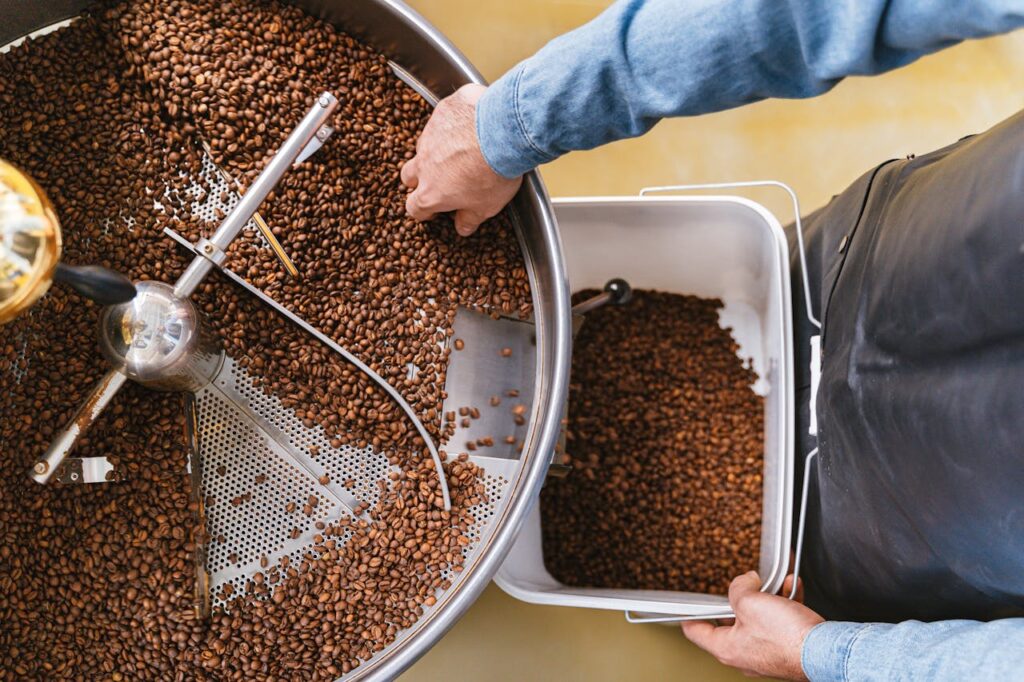
Opening a bag of specialty micro-lot coffee feels like unwrapping a precious gift. You get a burst of rich aroma, but those first days after roasting matter more than many realize. Resting coffee beans determines whether your cup highlights delicate fruit, big chocolate, or muddled confusion.
For micro-lot coffees, every step makes a massive impact on flavor clarity and complexity. Understanding how resting coffee beans shapes the experience helps serious enthusiasts and home brewers achieve repeatable, exceptional results from even the smallest batches.
Let’s dive into why and how the resting period molds flavor in roasted micro-lot specialty beans, how to optimize it for your own coffee, and what to avoid along the way.
The Science Connecting Resting Coffee Beans with Flavor Development
Carefully timing the rest period gives drinkers cleaner, more expressive brews from specialty micro-lots. This section spells out what chemical and sensory shifts actually happen while resting coffee beans after roasting.
When you rest coffee after roasting, trapped gases—mainly carbon dioxide—escape the beans in a process called degassing. Fresh-roasted micro-lot beans start lively and volatile, brimming with these gases that cloud their finer aromas and flavors if brewed too early.
CO2 Degassing: Timing the Release for Vibrant Cups
As soon as beans leave the roaster, gas escapes quickly for the first 24–48 hours. This means your espresso might taste unpredictable and sharply acidic if brewed immediately after roasting.
A solid rule for micro-lot specialty coffee is to allow at least 3–7 days of resting for degassing. This makes extraction smoother and pulls out sweetness and nuanced notes, not raw, muddled tastes.
Think of letting fresh bread rest: cutting too soon releases heat and ruins structure, just as brewing un-rested beans dulls clarity and mutes complexity. Wait, and the results reward patience.
Aromatic Development in Micro-Lot Beans
Micro-lot beans—especially exotic varieties—hold fragile aromatics that can spike or fade wildly post-roast. Key volatile compounds stabilize as CO2 escapes, letting intricate fruit, floral, or spice notes settle into focus with each resting coffee bean batch.
Home brewers report pronounced differences when brewing the same batch at different rest stages. One brewer described a Geisha micro-lot as “muted, grassy” just after roasting, but “vividly peachy and tea-like” at day five.
Repeating this process—tasting at intervals—builds intuition for when your favorite micro-lots hit their flavor peak, making resting coffee beans a personal ritual for maximum enjoyment.
| Resting Day | Perceived Acidity | Flavor Clarity | Ideal Brew Type | Takeaway |
|---|---|---|---|---|
| 1 Day | Very high, harsh | Muddled, sharp | None | Too young – avoid brewing |
| 3 Days | Balanced, lively | Distinct, opening | Espresso test shots | Optimal for espresso dialing |
| 5 Days | Smooth, bright | Clean, complex | Pour-over, filter | Peak aroma and clarity |
| 7 Days | Soft, mellow | Settled, sweet | Immersion | Rich and balanced results |
| 10+ Days | Very soft, muted | Some faded notes | Milk drinks | Start using up older beans |
Dialing In Rest Periods: Rules That Boost Micro-Lot Results
Following tested steps ensures your specialty micro-lot brews express their best. Below, specific guidance and scripts will save you wasted beans and highlight why resting coffee beans isn’t guesswork.
A consistent approach pays off. Many home baristas use a simple taste-and-compare method: split a micro-lot batch, rest half for 3 days, and the rest for 7 days, brewing both on the eighth day for a direct comparison.
Checklist: Essential Steps When Resting Coffee Beans
- Store beans in a one-way valve bag: This lets CO2 escape but blocks oxygen, keeping micro-lot flavors pristine and reducing risk of staleness.
- Keep at cool room temperature: Aim for 65–72°F (18–22°C) to avoid volatile aromatic loss and ensure gradual, even degassing in all batches.
- Record rest times for each batch: Track when you open and brew, noting your flavor observations for improvement with each micro-lot.
- Adjust based on roast style: Lighter roasts need longer rest—about 5–7 days—while medium roasts peak nearer 3–5 days for most micro-lots.
- Avoid repeated air exposure: Open only as needed and reseal promptly. Oxygen dulls micro-lot beans, flattening complex flavors prematurely.
Applying these actions creates a way to dial in every micro-lot, from floral Ethiopia to cocoa-rich Colombia. Make it a habit after each roast.
Bullet List: Mistakes to Avoid When Resting Coffee Beans
- Rushing brewing after roast: This yields harsh, chaotic flavors, especially with delicate, high-acidity micro-lots that need more rest to reveal subtleties.
- Storing in clear containers: Light exposure rapidly degrades quality; always use opaque bags or tins built for specialty coffee beans.
- Ignoring humidity: Damp air can invite musty off-notes; balance your storage environment using silica packs or by choosing naturally drier spaces.
- Mixing new and old batches: This muddles flavor clarity. Always segregate micro-lot vintages—label, date, and use them in sequence for peak enjoyment.
- Skipping regular cupping: Without side-by-side tasting, it’s easy to miss rest stage differences that elevate or diminish your favorite micro-lot coffees.
Avoiding these habits will maximize every batch and let the full signature of your micro-lot rest and shine. Repeat the process for best results.
Specialty Micro-Lot Examples: Resting Shifts Flavor Narratives
Exploring real-world cases helps show exactly how a 5- or 7-day rest transforms micro-lot flavors. These actionable examples will inspire brewers to experiment and note improvements, especially when exploring new origins and processing styles.
Scenario: Geisha’s Resting Curve Reveals Layers
A micro-lot Geisha roasted medium-light can taste grassy and pointy two days out. At day five, aroma blooms—think lime blossom and melon, plus creamy sweetness. By day 12, fruit recedes, shifting to honey and black tea.
Researchers at home might say, “By day five, I start noticing deep jasmine and stone fruit, but day 12 feels smooth and almost dessert-like.” Observe the transition and note your tasting impressions for future micro-lot rest adjustments.
The analogy here: Like breathing a deep, steady breath before speaking, resting coffee beans allows micro-lot flavors to compose themselves, ready to say exactly what they mean—no rushing the words.
Scenario: Natural vs. Washed Micro-Lot Surprises
Rested for three days, a natural-processed micro-lot can smell boozy, but sharp berry shines at day five. Washed micro-lots benefit from an extra day or two, smoothing sharp acidity into juicy apple, then clean caramel undertones.
Tasters report, “Day three punched wild sourness; by day six, the cup gave balanced fruit with bright, sparkling clarity.” Try splitting both types, tasting successively, and discover which rest brings out your favorite expression in specialty micro-lots.
The everyday analogy: Like letting a pie cool before cutting—a brief pause preserves structure and makes the flavors harmonize instead of making a mess—resting coffee beans delivers the full micro-lot picture.
Relating Micro-Lot Resting to Your Best Coffee Moments
Every specialty micro-lot tells a story during its rest. Approaching resting coffee beans with intent sharpens your ability to highlight distinct layers, from lively fruit to gentle cocoa or rich florals in each small batch.
Appreciating this step bridges roaster to brewer to cup. Micro-lot coffees, with rare flavors and short supply, deserve a thoughtfully timed rest so every note gets its stage—never rushed, never lost amid excess gas or staleness.
Next time tiny bags of specialty green beans arrive, remember that resting coffee beans is your ticket to true flavor clarity. Treat it like letting a painting dry before framing—the finished result is simply better for your patience.
Frequently Asked Questions
- How long should I rest my micro-lot coffee beans before brewing?
Rest 3–7 days after roasting for most micro-lots. Lighter roasts, especially dense beans, may need a full 7 days. Taste at intervals and note when flavor peaks for each batch you buy. - Does resting coffee beans apply only to espresso or all brew methods?
All methods benefit, but resting coffee beans is crucial for espresso, where excess CO2 disrupts extraction. Filter and pour-over also show clearer flavor after a few days’ rest. - Can resting too long hurt flavor in specialty micro-lots?
Yes—after 10–14 days, complexity fades and some fruit notes vanish. Store in airtight, one-way-valve bags and use within three weeks for best results, especially with limited micro-lots. - What’s the risk of not storing rested coffee beans properly?
Improper storage exposes micro-lot beans to oxygen, heat, and light, flattening flavor and accelerating staling. Use dark, resealable, vented containers kept at stable temperatures for best quality. - Is there a way to speed up the resting process safely?
Speed isn’t helpful here—resting requires time for chemical stabilization. Focus on keeping beans sealed, cool, and away from sunlight. If impatient, cup a small sample each day to find your favorite rest point.