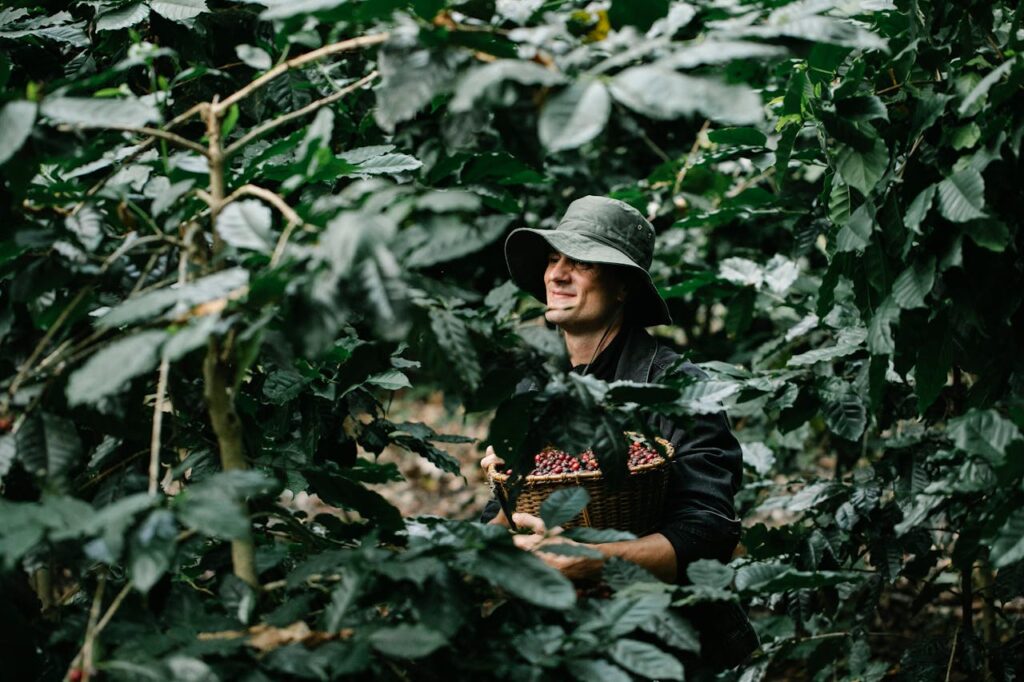

Step into the world of specialty coffee micro-lots and you’ll notice something subtle yet profound—shade grown coffee is changing the way enthusiasts talk about quality and sustainability. Everywhere from high-end cafes to home brew guides, the phrase pops up, inviting a closer look at what sets it apart.
The connection between shade grown coffee and thriving biodiversity isn’t just a matter of farming technique. It’s evidence that mindful agriculture can produce real, observable benefits for ecosystems and, surprisingly, for the taste profile of your cup. These two aspects are tightly connected within specialty micro-lots.
Here, you’ll learn why micro-lots favor shade management, discover the unique sensory results, and glean actionable ideas for enjoying or supporting these coffees. Pull up a chair, pour a cup, and let’s explore deeper together.
Choosing Shade Grown Micro-Lots Yields Tangible Flavor and Conservation Gains
When farmers commit to cultivating specialty micro-lots under shade trees, they create a rich, living filter in their fields. Birds, pollinators, and beneficial insects thrive, directly influencing both crop resilience and fruit development. The result is more vibrant coffee and a healthier landscape.
This method regularly features in the best-rated beans and aligns with conservation goals. The shade grown coffee produced here doesn’t just champion wildlife—it also carries layered, intriguing flavors impossible to mimic in sun-exposed plots.
Shade Trees as Ecosystem Engineers
Walk through a shaded coffee plot and you’ll notice more than just dappled sunlight. Native trees offer not just shelter but also drop leaves, enriching soil and creating microclimates that buffer coffee plants from sudden temperature swings or dry spells. This stability nurtures slow-maturing beans.
Farmers say, “When birds are chirping in the branches, I know my coffee plants are in balance.” Butterflies and bees routinely visit, pollinating coffee blossoms, which leads to more even fruit sets and higher cup quality at harvest.
Nutrient cycling is also visible on the ground. Fallen leaves form a natural mulch, reducing the need for synthetic inputs. These processes allow growers to focus on attentive care, not constant correction.
Direct Impact on Micro-Lot Cup Profiles
Specialty roasters value these micro-lots for their tendency to produce complexity over uniformity. A grower recalls, “Our shade grown coffee reveals floral notes and subtle acidity, which our market craves.” Shade encourages nuanced sugars and acids that slow-ripening cherries develop.
Daily temperature swings lessen, so coffee doesn’t endure the stress-induced off-flavors commonly found in sun-grown lots. Cuppers remark that shade expressions range from vibrant citrus to chocolate, depending on tree species overhead and attention to detail at harvest.
This makes these coffees distinct in blind tastings. One cupper puts it candidly: “With shade grown micro-lots, I taste the landscape—the birds, the soil, the patient ripening all come through.”
| Attribute | Shade-Grown Micro-Lots | Sun-Grown Micro-Lots | Key Takeaway |
|---|---|---|---|
| Biodiversity | High variety of flora/fauna | Lower levels of diversity | Choose shade for ecosystem benefits |
| Bean Development | Slow, even ripening | Rapid, possibly uneven | Shade fosters higher cup quality |
| Soil Health | Rich, self-renewing soils | Depleted, needs inputs | Opt for shade-grown for soil vitality |
| Pest Control | Natural, bird/insect promoted | Frequent chemical input | Shade supports organic management |
| Taste Complexity | Layered, nuanced flavors | More uniform, acidic | Seek shade lots for complexity |
Practical Steps to Support Biodiversity-Friendly Coffee and Recognize Its Taste
Choosing shade grown coffee doesn’t require farming knowledge—it starts with knowing labels, understanding sensory cues, and asking your roaster targeted questions. Anyone can build a habit of choosing biodiversity-positive options with a bit of prep.
Learning to distinguish these micro-lots sharpens your palate. Bit by bit, you’ll start to anticipate the differences that make one coffee stand apart, just as wine drinkers seek out terroir nuances in every glass.
Spotting Shade-Grown Micro-Lots
Look for third-party certifications like Bird-Friendly or Rainforest Alliance on packages. Labels mentioning native shade trees or agroforestry systems indicate the grower prioritizes biodiversity. Ask sellers, “What shade species were used in your micro-lots this season?”
- Seek labels certified Bird-Friendly: These coffees earn their marks from rigorous, field-verified standards for both shade and ecological synergy, guaranteeing bird habitat.
- Ask for details on shade tree species: Knowing which trees are present—Inga, Erythrina, banana—lets you trace potential flavor notes and ecosystem impact in each batch you buy.
- Notice flavor descriptors suggesting shade: Look for taste notes like floral, mellow acidity, or stone fruit—markers frequently linked to slow, shade-driven ripening.
- Check micro-lot size and origin info: Single-lot details reveal the farm’s commitment; micro-lots show more intentional cultivation compared to blended commercial lots.
- Support micro-roasters who tell the full farm story: Seek out those who provide grower statements, processing details, and explain how shade influences each lot.
Following these steps brings you closer to coffee’s origins while encouraging sustainable practices. Each choice matters for both flavor enjoyment and global biodiversity.
Sharpening Your Palate to Shade Influence
Try side-by-side tastings—a shade grown coffee from one micro-lot next to a conventionally grown one. Make note of aroma, acidity, and aftertaste. Say, “This finish lingers and reminds me of chocolate and fruit,” as a cue pointing to slow maturation.
- Pay close attention to acidity quality: Shade-grown beans usually show a round, balanced acidity, whereas sun-grown coffees can seem sharper or more erratic on the palate.
- Focus on mouthfeel during sipping: Shade-grown lots are silkier, with creamy bodies that set them apart from leaner, sun-driven brew textures. Notice the difference in your own cup.
- Match flavor notes to tree influence: For instance, Inga trees contribute honey and citrus undertones—learn to identify which shade species might be present based on taste.
- Track aftertaste duration: With shade grown micro-lot coffees, the finish stays long and integrated, due to even ripening. This may remind you of artisan chocolate’s lingering notes.
- Practice active comparison with friends: Gather small groups and rank coffees for florality, stone fruit, or mellow sweetness. Open conversation sharpens everyone’s appreciation and recall.
Over time, your sensory vocabulary grows, and you’ll be able to recognize and choose shade grown coffee micro-lots with increasing confidence and accuracy.
Micro-Lot Management Practices That Reward Producers and Drinkers
Micro-lot farmers who use shade don’t just protect ecosystems—they create specific economic and sensory rewards. Their approach requires hands-on observation and daily decisions about canopy, pick timing, and harvest sorting.
Attention to detail starts long before harvest, with strict pruning regimens that ensure sunlight dapples — not overwhelms — the ripening cherries. This thoughtful management shows up in every sip you take.
Scheduling Canopy Pruning for Healthy Micro-Climate
Small farm owners plan pruning after the first flush of rains, saying, “We keep enough leaf cover to protect cherries and invite the right bird species.” Observational walks, “every second dawn,” help catch pests early and monitor canopy density.
Selective removal is practiced: Large, low branches may be clipped to maintain airflow, which deters fungal disease while still ensuring ample dappled shade for the crop.
They share: “If fruits dry too quickly, I know I’ve lost too much shade. Adjust, and the next harvest is more balanced and sweet.” Experience and adaptation drive quality here.
Fine-Tuning Harvest Windows for Optimal Ripeness
Shade grown micro-lots require strict handpicking at peak ripeness—farmers will return to the same plant several times over a season. They say, “If cherries feel plump and cool by noon, the shade is working.”
This staggered picking improves cup consistency. Picking less-than-ripe fruits, by contrast, brings bitter or green flavors—something specialty buyers quickly reject during cupping rounds.
Field teams use visual checks, “See the shine and even coloring?” as a cue to harvest. For producers, patience equals premium prices and positive buyer feedback.
Supporting Farm Biodiversity While Maximizing Coffee Quality at Home
Home brewers and café buyers can help reinforce the micro-lot biodiversity trend by intentionally sourcing and sharing shade grown coffee stories with friends or customers. Retailers who prioritize these coffees influence the whole supply chain.
Your decision to buy labeled shade grown micro-lots nudges roasters to advocate upstream for better farming practices, linking consumer habits with conservation incentives all the way to origin.
Building a Shade-Grown Toolkit for Conscientious Brewing
Equip your home brew station with cards, origin info, and tasting sheets specific to shade-grown micro-lots. Invite houseguests to taste and compare, sparking questions like, “Can you spot the floral acidity in this batch?” to deepen appreciation.
Include photos or diagrams of coffee agroforestry in action to make flavor connections tangible for everyone at the table. Context enhances experience.
When gifting coffee, include a note highlighting the grower’s story and specific shade strategies that shaped the cup. This turns a simple brew into a conversation starter about biodiversity.
Tasting Session Scenario: Celebrating Differences at Every Sip
Host a mini cupping using drip and French press methods, just as pros would. Prepare two micro-lots: one labeled as shade grown coffee, another conventional. Ask friends for observations: “Does the shade lot taste more layered, or do you notice a longer finish?”
Log everyone’s impressions, noting flavor, aroma, and acidity. Use active language such as, “This one is silky—like dark honey,” to help new tasters craft more vivid descriptions of their experience.
Document the session and share highlights with your roaster—this feedback cycle encourages transparent sourcing and further farm investment in biodiversity.
Expanding Your Knowledge and Palate With Shade Management Variables
Learning about the different shade strategies used in specialty coffee micro-lots can deepen appreciation for both biodiversity and cup complexity. Each choice alters bean chemistry and, subsequently, flavor.
Roasters, importers, and farm partners use this info to create signature offerings you can taste side-by-side—each reflecting the unique interplay between species composition, pruning, and seasonal adjustments.
Contrasting Tree Species: Inga, Banana, and Indigenous Giants
Spend time exploring lots shaded by Inga, which imparts light, honey-like notes, compared to banana trees lending body and subtler sweetness. Ask your roaster: “Was this lot protected by fruit trees, or by native canopy giants?”
Some farms mix tree types, layering diversity for both wildlife corridors and sensory effect—like artisan chefs blending spices for signature dishes. Exploring these variations by cup and origin is rewarding and educational.
Sales reps say, “Once buyers realize every shade type adds a different note, curiosity grows—and loyalty follows.” Try sampling a variety of micro-lots for a full spectrum of what’s possible in the cup.
Adapting Shade Practices to Climate Variability
Real-world concerns like erratic rain or record heat keep farmers experimenting. One lot manager shares, “Last season was hotter, so we planted a tighter Inga overlay to reduce evaporation. The beans stayed plump instead of shriveling.”
Monitoring seasonal extremes is crucial. “If morning dew lingers too long, we thin the shade a bit for better airflow.” Small, targeted changes like these help guarantee steady crop quality regardless of climate surprises.
Buyers benefit directly—staff at roasteries appreciate producers who detail their strategies, saying, “Specific shade tweaks show up in our best-tasting lots year after year.” Staying curious about farm adaptation pays dividends in every brew.
Finishing Strong: Integrating Taste, Conservation, and Community Through Shade-Grown Micro-Lots
Shade grown coffee micro-lots prove that what grows above the crop is just as vital as what’s in your mug. By supporting these farms, you enrich flavor and help protect vital species. The journey from field to cup is layered—and each choice matters.
The positive impacts echo back to communities and wider ecosystems. When a farm thrives as a living landscape, everyone benefits—from the birds nesting overhead to the coffee drinkers seeking distinctive, uplifting flavors that only shade-grown micro-lots deliver.
Consider sourcing, savoring, and sharing these coffees as a small yet significant step for taste and biodiversity. Every thoughtful purchase nudges the industry toward greater sustainability and a more flavorful future.
Frequently Asked Questions
What makes shade grown coffee from specialty micro-lots better for biodiversity?
Shade grown coffee from specialty micro-lots includes a mix of native trees, which provides habitat for birds and insects. This approach restores wildlife corridors and improves soil health, creating stable, lasting ecosystems around coffee plots that wouldn’t exist in sun monocultures.
How can I identify a true shade grown micro-lot coffee at a café or store?
Look for certifications like Bird-Friendly or detailed information listing shade tree types and farm practices. Ask staff questions about the micro-lot’s canopy species or agroforestry techniques. Roasters who support micro-lot transparency will always have details ready to share.
Will shade grown coffee always taste different from sun grown coffee?
While not every cup is distinct, shade grown coffee from micro-lots shows common traits like silky body, balanced acidity, and pronounced complexity. It’s these subtleties—slow maturation, soil richness, and crop diversity—that elevate the finished brew’s character.
Can brewing at home bring out unique flavors in shade grown micro-lots?
Absolutely. Use slower extraction methods (drip, French press) to highlight subtle aromatics and body. Try taste comparisons with friends or family—note texture, sweetness, and finish to deepen your appreciation of shade’s effect on cup quality.
Why do micro-lot farmers choose shade, even if it reduces yields?
Shade systems enhance coffee resilience, quality, and price premiums—even if per-acre yields are lower. Farmers report fewer pest issues and steadier earnings from buyers seeking biodiversity and complexity—meaning small-lot growers can invest in their land and community.