This section shares how rare coffee varietals like SL28 and SL34 migrate from storied Kenyan estates to distant specialty coffee micro-lots worldwide.
It teaches you to notice flavors, processing differences, and decision points using checklists and real-world scripts you might hear in the field.
Case Study: From Kenya to South America’s High-Altitude Blocks
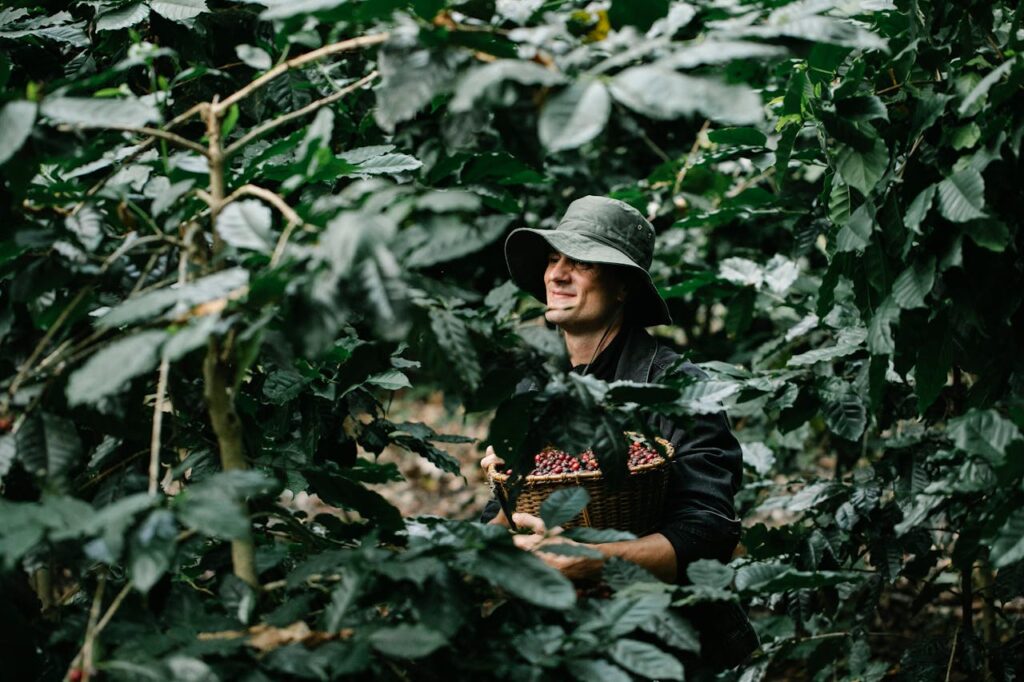
Café Bianco, a Colombian micro-lot farmer, scanned their experimental plot. “Let’s try twenty SL34 saplings along the northern ridge,” they said, knowing rainfall patterns echoed Kenya’s climate.
After two harvest cycles, cherries delivered the classic blackcurrant zing but carried a subtle caramel finish distinct from African soil.
The harvest team celebrated, remarking, “That’s a rare coffee varietal done right—we’ll mark these trees for hand-picking next season.”
Checklist: Recognizing SL28/SL34 Outside Kenya
When evaluating micro-lots for SL28 or SL34, professionals use a list. They inspect leaf shape, taste-test for berry acidity, and consult plant tags or import certificates for confirmation.
Forearm-width leaves, tall upright growth, and resilience in fluctuating temperatures hint you’re viewing SL-type trees in a new geography’s micro-lot.
Ask growers: “What motivated choosing SL varietals? Have they adapted to your site?” Their answers offer clues to unique micro-lot strategies.
| Region | Varietals Planted | Main Flavor Note | Actionable Insight |
|---|---|---|---|
| Colombia, Huila | SL28 | Berries, caramel | Pair with lighter roasts to highlight sweetness; ask for post-harvest rainfall details. |
| Ecuador, Loja | SL34 | Citrus, subtle malt | Spot these in micro-lots harvested above 1600m; find natural-processed for deeper body. |
| Brazil, Minas Gerais | SL28, SL34 | Grape, stone fruit | Sample alongside typical Bourbon trees to detect subtle varietal differences in cupping. |
| Peru, Cusco | SL28 | Honey, black tea | List the picking time and see if farmers use raised beds for drying. |
| Thailand, Chiang Rai | SL28 | Herbal, red apple | Request tasting notes from local roasters; try side-by-side with regional Catimor. |
Flavor Development Strategies: What To Ask and When To Taste
This section reveals questions and scripts to help buyers, baristas, and enthusiasts discover the best of rare coffee varietals in specialty coffee micro-lots.
It also clarifies exactly what to say, what to taste, and how to differentiate these beans from region to region or even farm to farm.
Buyer’s Script: Getting the Story Behind the Beans
When visiting a smallholder who grows SL28, ask, “How did you choose to plant this rare coffee varietal rather than a more common one?” Nod if they mention climate or direct market feedback.
- Request a sample roast; watch for body language as they present it, confident gestures mean pride in the micro-lot.
- Ask for rainfall records, since SL28 thrives in moderate, consistent rain—farmers might show you handwritten logs.
- Request a side-by-side tasting with another Arabica varietal to taste the rare coffee varietal’s effect on the cup.
- If tasting in-country, mention any unique flavor you notice, like a bright acidity or a floral undertone. Repeat what you hear back to the grower.
- Finish by asking, “Will you plant more next year?” Enjoy their answer—a positive response means success with the micro-lot trial.
Stay curious and taste for vibrant acidity or juicy berry notes—the hallmark of a rare coffee varietal thriving in a micro-lot setting.
Roaster’s Checklist for Evaluating SL28/34 Micro-Lots
For small-batch roasting, someone might say: “I’ll sample roast 50g, aiming for city+ and full city.” Watch the color as it approaches first crack.
- Seek clarity and sweetness—a rare coffee varietal’s hallmark when roasted light. Pause roasting if you sense hints of ash.
- Keep a log: note that SL28 tends to deepen in fruit flavor with increased development time. SL34 holds sweetness further into the roast.
- Cool the sample rapidly to preserve aromatic complexity, spreading beans on a tray in a thin layer. Smell for citrus or tea-like perfumes.
- Rerun tastings after 24 hours to compare how the rare coffee varietal evolves, noting berry or tea longevity.
- Share findings with fellow roasters—collaborate on profiles that make these micro-lots shine with their true rare coffee varietal identity.
Experiments will highlight why rare coffee varietals in micro-lots bring new sensory possibilities to specialty coffee menus everywhere.
Soil, Climate, and Altitude: Variables That Transform SL28/SL34
Farmers who relocate rare coffee varietals to different regions use specific approaches to match micro-lot performance with local soil, altitude, and weather. They do it because each variable truly changes the cup.
By observing how micro-lot plots behave during rainfall or drought, you’ll learn what matters most for SL28 and SL34’s flavor resilience and yield consistency.
Seasonal Patterns and Their Effects
Micro-lot producers track when rainy and dry seasons begin, labeling each harvest batch accordingly. Their records help buyers choose which rare coffee varietals will shine brightest or mellow out in a given year.
For example, Peru’s highland rainfall makes SL28 yield exceptional black tea notes. Micro-lot managers say these beans fetch a premium for their balance and complexity.
But in Ecuador’s drier stretches, SL34 alters, showing off a more muted sweetness, especially when dry processed.
Farmers Adapting Fertility and Watering
Growers commonly test soil with portable kits, comparing leaf color and root spread in SL28/34 versus Bourbon plots. “Darker green—those are the rare coffee varietals,” a technician might declare.
They irrigate SL trees differently, mimicking Kenyan rainfall, and amend soil with organic matter to match micro-lot fertility. The result: cherries that mature with consistent density and sugar profile.
Farmers encourage others, “Try compost this season; you’ll see a difference in rare coffee varietal flavor clarity.”
Small Steps for Big Results: Micro-Lot Processing Methods
Micro-lot managers select handling techniques for rare coffee varietals to fine-tune flavors, clarify acidity, and maintain consistent quality. The process matters as much as the plant type itself.
For SL28 and SL34, washed, honey, and natural methods each yield a different sensory experience. Here’s a stepwise rundown and what to expect in each approach.
Washed: Clean The Canvas for Clarity
After harvest, cherries are pulped and quickly fermented in water tanks for up to 36 hours. “We want to highlight this rare coffee varietal’s acidity,” says the process manager, monitoring the soak.
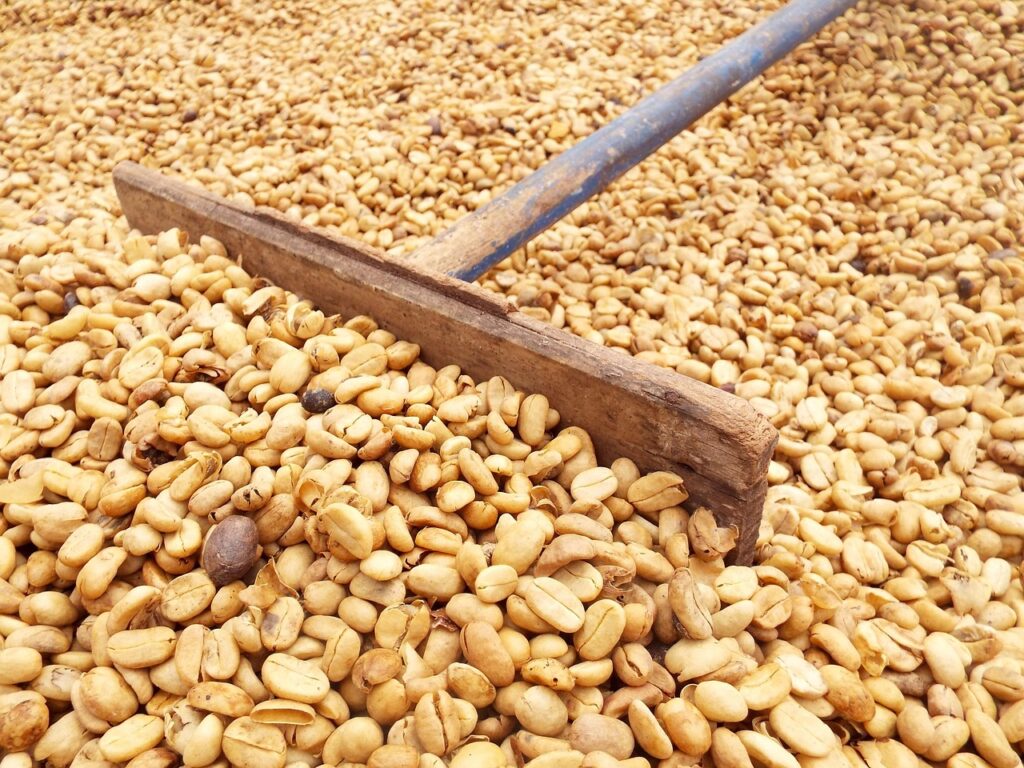
Once fermentation is complete, the beans are washed and laid out on raised drying beds. They’re raked regularly, ensuring even moisture loss and brilliant cup clarity.
Tasters later find lemon, currant, or black tea in the cups—each hint a tribute to the careful washing of the micro-lot’s rare coffee varietals.
Honey and Natural: Letting Fruit Mingle with Bean
In honey processing, some fruit pulp is left intact, creating an amber hue. The micro-lot dries under shade, soaking up residual sugars.
With natural processing, whole cherries dry intact. Beans absorb more fruit flavor, sometimes verging on tropical or wine-like intensity.
Producers say, “Honey brings out deeper body, while natural makes a rare coffee varietal wild and bold.” These approaches are gaining ground among micro-lot pioneers.
Flavor Discovery: Identifying SL28 and SL34 at the Cupping Table
At tasting sessions, trained cuppers look for sensory markers unique to rare coffee varietals. They evaluate micro-lot batches by aroma, texture, and aftertaste, using a format borrowed from competitive judging to guarantee consistency.
Try these steps for yourself to experience how rare coffee varietals reveal their secrets—especially when sampled in small, curated micro-lots.
Step One: Set Up the Table
Gather three to five samples: try SL28, SL34, one Bourbon, a local hybrid, and one wildcard. Grind beans seconds before adding water to capture volatile aroma compounds at their most vibrant.
Pace yourself. Smell deeply after the first pour, noting high floral notes versus bolder, heavier scents. Swirl cups gently, don’t splash or agitate, as you prepare to break the crust.
On the break, inhale—if blackcurrant or citrus greets you, jot it down. SL28 almost always shines here, no matter the origin or process.
Step Two: Taste, Compare, Decide
Take a spoonful, slurp sharply to aerate, and let the brew coat your tongue. Compare body—SL34 is usually silky, while SL28 gives sharper clarity, resembling certain teas in mouthfeel.
Write clear descriptive notes: “red apple, bright finish” or “caramel, mellow mid-palate.” Sharing notes aloud builds consensus and sharpens team palates.
Highlight what’s different about the rare coffee varietals versus baseline micro-lot offerings. This is where professional buyers decide which micro-lots qualify for single-origin status or limited runs.
Building Stronger Relationships with Micro-Lot Farmers
Positive collaboration with growers is the most reliable way to ensure ongoing access to the best rare coffee varietals. Both sides benefit when communication is clear and goals are aligned.
Advance agreements on quality expectations and picking timelines make micro-lot success repeatable. These actionable steps help teams maintain a sustainable supply of rare coffee varietals season after season.
- Discuss micro-lot plans well before harvest; align on which rare coffee varietals to prioritize and how to split investment in seedlings, tools, or labor.
- Set up regular video calls for progress updates; transparency builds trust and allows quick reactions to weather or labor issues.
- Share sensory data from sample cuppings. A grower hearing their SL28 “blew away the competition” gets an instant morale boost.
- Negotiate clear, fair payment terms so micro-lot farmers can reinvest in rare coffee varietals for future harvests, minimizing financial stress.
- Celebrate successes publicly. When a micro-lot’s SL34 wins awards, promote both farm and roaster—everyone’s reputation benefits.
Real-World Scenarios: Micro-Lot SL28 and SL34 Success Stories
Take Diego, who managed a remote Colombian micro-lot and invested in irrigated terraces for his SL34 field. He observed, “Our rare coffee varietals now attract specialty buyers willing to pay a quality premium.”
His customers, mostly boutique roasters and cupping champions, describe the flavor journey as “from apple to grape to honeyed finish” in just one cup—each profile tied to micro-lot altitude and method.
SL28 in Southeast Asia: Pushing New Boundaries
Coffee association leaders in northern Thailand converse about the distinct herbal aroma in their new SL28 micro-lot. “It gets attention because it’s not what you’d expect from Thai coffee.”
They tweak fermentation based on cupping scores each season, shifting toward more washed processing to let acidity shine. “It pays off,” says their head cupper, “because it makes our rare coffee varietals recognizable anywhere.”
This approach turns micro-lots into living labs for quality and innovation, using rare coffee varietals as the agent for discovery.
Blending for Complexity: Using Micro-Lots to Elevate House Espresso
A US café manager remarks, “Our house blend used to be predictable. Now, with 10 percent of a Colombian SL28 micro-lot, customers describe richer, fruitier espresso with a lingering finish.”
By blending in rare coffee varietals, they keep the everyday brew interesting and support micro-lot farmers by showcasing their beans weekly.
The lesson: even small micro-lot additions of rare coffee varietals can transform blends, giving cafes a rotating story that regulars remember and share.
Continuing the Exploration: Micro-Lot SL28 and SL34’s Next Chapter
Across continents, adventurous growers and buyers unlock surprising new expressions from rare coffee varietals by carefully matching micro-lot scale with curiosity and careful notes.
In each cup of micro-lot SL28 or SL34, you taste both the skill of the farmer and the ambition of specialty coffee. That’s why rare coffee varietals matter so much—they’re living links between tradition, experimentation, and discovery.
Whenever you choose a cup with SL28 or SL34 in the mix, you help keep micro-lot exploration alive. The next rare coffee varietal story might begin with your next brew, no passport required.
Frequently Asked Questions
- What defines a rare coffee varietal in specialty coffee micro-lots? A rare coffee varietal is a specific coffee plant variety atypical for a given region, prized for unique flavors and limited availability in micro-lot production, making each cup tailored and traceable.
- Are SL28 and SL34 always better than other micro-lot types? SL28 and SL34 stand out for berry and citrus notes but aren’t inherently superior. Their appeal lies in distinctiveness and adaptability, inviting comparison to local or legacy varietals for nuanced tasting experiences.
- What challenges do farmers face when growing rare coffee varietals? Farmers encounter disease pressure, weather variability, and market risk when choosing rare coffee varietals. Close technical support and reliable buyers keep micro-lots commercially viable and flavorful.
- Why are micro-lots important for specialty coffee quality? Micro-lots allow meticulous care of each rare coffee varietal, enabling custom processing and more direct feedback between grower and buyer. This spotlight on detail ensures more consistent top-tier quality year after year.
- Can everyday coffee drinkers buy micro-lot rare coffee varietals? Many roasters now source directly from micro-lots, offering rare coffee varietals for home brewing. Buying these supports innovation and gives drinkers access to complex flavors previously reserved for competitions or cafes.