Specialty coffee micro-lots demand attention down to every pour. Ask any home brewer about their favorite gear and talk will eventually turn to precision kettles, the unsung tools behind consistent, expressive coffee.
When every bean is precious, maintaining repeatable control lets a micro-lot’s aroma and delicate flavor shine. Choosing the right kettle impacts more than temperature: it’s the gateway to balanced extraction and nuanced cups every time.
If you’re looking for smooth, steady pours and improved home results, this guide explores how precision kettles can raise micro-lot brewing from good to exceptional. Let’s discover the standout models and proven tips for consistent pours.
Pinpoint Pour-Over: Building Consistency with the Right Precision Kettle
Dialing in consistency is tangible with the right kettle. Specialty coffee micro-lot lovers quickly notice how every pour profile, temperature setting, and ergonomics nuance adds up in the cup.
From slender goosenecks to PID controllers, even a seemingly small kettle upgrade can eliminate guesswork from manual brewing. This is the gear micro-lot fans rely on for those signature, expressive profiles at home.
Mapping Control Zones in Gooseneck Design
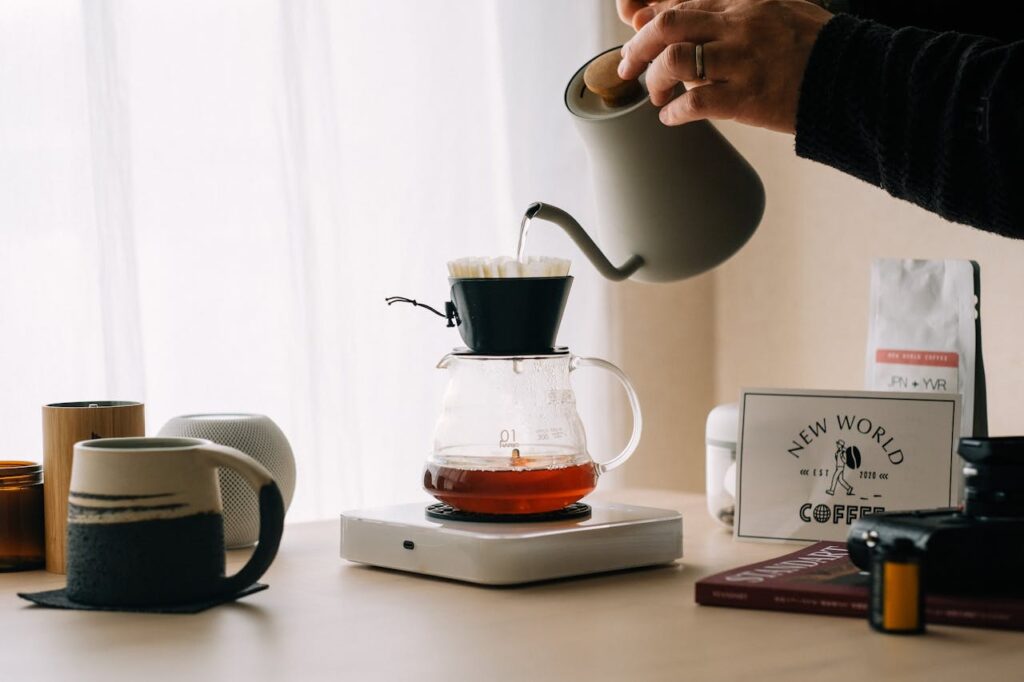
A well-fashioned gooseneck spotlights control. The hallmark shape channels water in thin, defined arcs. Rather than dumping water everywhere, users guide fragile streams directly where they want—like painting slow circles over coffee grounds.
The narrow spout lets you start, pause, or shift direction mid-pour with no splashing. This detail matters for micro-lot brews requiring agile adjustments for even saturation. Think of it as using a calligraphy brush instead of a broad marker.
By practicing using only the wrist and minimal elbow movement, brewers can “trace” perfectly even patterns, ensuring each pass of water extracts the coffee uniformly. Fine motor skills pair with ergonomic goosenecks for remarkable results.
Temperature Precision: Holding a Degree Makes the Difference
Extracting a micro-lot’s complex notes means eliminating temperature surprises. PID-controlled precision kettles heat and hold your set-point within a single degree, whether aiming for 201 or 205 Fahrenheit.
Place your kettle on the stand, dial the digital readout, and wait for the beep. You’ll pour with confidence, knowing there’s no surprise heat spike or cool-down that could unbalance delicate coffees. Consistency stays high from first to last pour.
Perfect for those “Let’s hit 202 exactly” moments, these kettles shine for rare lots where every degree counts. Home brewers often describe their enjoyment as freeing: No guessing, just focus on their chosen recipe and pour sequence.
| Model | Spout Control | Temperature Range | Best For | Takeaway |
|---|---|---|---|---|
| Stagg EKG | Pinpoint, steady | 135-212 F | Micro-lots, exact recipes | Choose for ultimate temperature precision |
| Bonavita Variable | Smooth flow, broad spout | 140-212 F | Daily brewers | Great entry-level flexibility |
| Hario Buono | Classic, narrow | Manual boiling | Experienced pourers | Manual with responsive handling |
| Oxo Pour-Over | Controlled wide arc | 140-212 F | Versatility | Balanced for various brewers |
| Timemore Fish | Ultra-precision | 104-212 F | Enthusiasts, tinkering | Adjusts for rare micro-lots |
Steps to Evaluate Top Precision Kettle Features in Daily Use
Getting the most out of micro-lot beans comes down to examining the features that matter: spout geometry, temperature consistency, and physical comfort. Testing in real brewing situations separates standout kettles from the rest.
You’ll find that not every bell and whistle guarantees better extractions. Instead, run through basic steps to evaluate: Does it hit target temp reliably? Is the spout predictable? How does the handle feel during a three-minute pour-over?
Check Ergonomics and Ease of Pour
Kettle handles deserve attention. When brewing for guests, even a subtle handle contour can prevent hand fatigue. Lift the kettle and pour in circles—your hand should stay relaxed and stable, never cramping or sliding on the grip.
- Test the spout by pouring slowly onto dry grounds; you want a stream that stays narrow and unbroken for fine saturation control.
- Try pouring with finger tips only, then full grip—does flow stay controlled in both cases?
- Rotate your wrist inward; a balanced kettle keeps your pour arc smooth, not jerky.
- Reset the kettle and check for easy one-handed lid removal; this reduces brew-site clutter.
- Note the build: stainless interiors resist scale, while a loose lid kills stability on repeat.
Comfort translates directly to consistency. A kettle that feels like an extension of your hand helps you repeat perfect pours every time.
Consider Power and Heat-Up Speed
Rapid heat-up shines on busy mornings or brisk micro-lot routines. Many prefer kettles that reach brewing temp in under four minutes, keeping prep stress-free.
- Watch preset programs—use a memory function for micro-lot recipes, saving repeated re-entry.
- Set the keep-warm timer for back-to-back brews, especially with multiple tasters.
- Observe the base connection; a wide base stays stable even when rushed.
- Prioritize short cables for compact setups, but know that longer cords add flexibility in shared kitchens.
- Verify wattage: 1000W+ models heat more swiftly, but 600-900W options still suit patient routines or sensitive coffees.
High-performance kettles make micro-lot brewing routines reliable and smoother, blending technical prowess with ease of use.
Troubleshooting Real Brewing Scenarios with Specialty Micro-Lot Beans
When a micro-lot brew tastes flat or sharp, precision kettles hold the remedy. Navigating specific scenarios helps you respond, not react, to what your cup needs right now.
Actions become clear. Perform a side-by-side test with two kettles—one standard, one precision—and note how the extraction shifts from sour to balanced using only pour and temperature tweaks.
Dialing Pour Rate for Fragile Micro-Lots
Pouring too fast during the bloom causes heavy agitation, flushing flavors unevenly. Picture a chef drizzling sauce in a delicate ribbon, not dumping it in a rush.
Switch to a slow, spiraling pour just off-center, tracking saturation by eye. Users report the flavor jumps in clarity once pour rate matches grind size and roast style, courtesy of a responsive kettle.
With practice, you’ll identify the visual cues—bubbles dissipating evenly, a gentle swirl of grounds. The kettle’s control becomes a partner in crafting expressive, sweet results, especially for more sensitive micro-lots.
Recovery Steps for Missed Temperature Targets
Missing your target by just two degrees? Don’t panic. Pause the pour, reset to your exact setting, and let the PID hold the kettle steady for one more minute.
Professional baristas note the difference—micro-lots that seemed bland suddenly deepen in aroma. The temperature correction smooths extraction, turning an “off” brew into an aromatic highlight.
Use this stepwise recovery approach each time: pause, reset, re-pour at target temp. Consistency comes from calmly managing surprises and trusting your kettle’s tech to deliver with every adjustment.
Micro-Lot Flavor Exploration: Leveraging Custom Pour Patterns
Active pour manipulation unlocks a micro-lot’s entire sensory story. Whether you’re aiming for syrupy body or crisp acidity, your kettle’s flow control becomes a palette for nuanced expression on the kitchen counter.
Choose a signature swirl or pulse-pour sequence—each delivers a unique flavor layer. Experimentation, grounded by steady kettle response, defines standout home micro-lot routines from the rest.
Match Pattern to Micro-Lot: Find Sweet Spots
Try classic concentric spirals for high-acidity beans, directing flow from the center outward. The steady pace, paired with a precision kettle, preserves aromatics and blooms sweetness.
Pulsed arcs help with denser roasts; let a short pause between pours settle the bed before moving on. Observation is key—small changes in rhythm reveal previously hidden notes.
Use this process with three micro-lot varieties over one week. Record flavors in a journal, then repeat with subtle pattern tweaks. The difference becomes clear and captivating.
Stacking Pour Phases: From Bloom to Drawdown
Divide each brew into three phases: the bloom, the main fill, and the drawdown. Guide each step with specific kettle moves: slow spiral, firm fill, gentle finish.
“I start the bloom slow, count 30 seconds, then fill with a continuous center pour,” says one home enthusiast. “That repeatable sequence nails balance in my favorite nano-lot Guatemalan.”
Apply this script during your next session. Having a trustworthy kettle makes each transition seamless, so you focus attention on flavor cues, not on guesswork or lost consistency.
Precision Kettle Longevity: Maintenance Moves That Preserve Performance
Extending a precision kettle’s life is a hands-on way to keep micro-lot performance sharp. Minor habits—descale, rinse, inspect spout seals—raise the bar for daily brewing quality over time.
Picture a favorite kitchen knife: a bit of upkeep wards off dullness. Precision kettles respond the same way; treat them as the precise, valuable tools they are to preserve their consistent outputs.
- Descale monthly using a non-corrosive solution to remove heat-element buildup.
- Rinse thoroughly after every brew, especially if using treated water.
- Dry spout and lid before storage to deter mineral spots and odors.
- Check lid gasket fit once a month; swap if you notice loose fits or steam leaks.
- Keep electrical contacts clean to maintain rapid, even heating performance.
These care routines pay dividends, letting you savor micro-lots with confidence and clarity all year long.
Bringing Everything Together: Elevating Micro-Lot Home Brewing
Taken together, the best precision kettles offer a direct path to micro-lot consistency. Every calibration—spout angle, temp stability, handle comfort—reinforces your routine and brings out distinct sweetness and aroma in rare beans.
For enthusiasts aiming to replicate their favorite café experiences, mastery does not mean buying the priciest model. Rather, it’s about harnessing a kettle’s unique strengths and applying them to your flavor goals, one measured pour at a time.
Devoting care to kettle selection, technique, and maintenance transforms each brew into a reliable, rewarding ritual. With these steps, your micro-lot journey is always open to new discoveries and taste revelations.
Frequently Asked Questions
What sets a precision kettle apart for micro-lot coffee?
Precision kettles offer controlled flow, accurate temperature, and ergonomic design. These features reduce human error, ensuring that each micro-lot batch receives even saturation, balanced extraction, and consistent heat for the final cup.
Is a variable temperature kettle necessary for specialty micro-lots?
Yes, variable temperature ensures the subtle acids and aromatics of micro-lots remain intact. A kettle that holds your exact target delivers the nuance intended by the grower and roaster every time, enhancing tasting notes.
How can I stop accidental over-pouring with a gooseneck kettle?
Use your wrist for movement rather than your elbow. Practice pouring in slow, controlled circles while watching flow rate. Over time, muscle memory will guarantee accuracy, especially with ergonomic handles and narrow goosenecks designed for micro-lot control.
Is frequent descaling important for my kettle’s lifespan?
Monthly descaling prevents mineral deposits that lead to uneven heating or reduced precision, especially when brewing high-end micro-lot coffees. Always use a gentle, non-abrasive agent and perform this step regularly for best results.
Can one kettle handle both pour-over and immersion styles?
Most precision kettles adjust well for both methods. The key is adaptable pouring, so you can create fast pulses for French press or slow spirals for pour-over—all from a single kettle, streamlining your micro-lot routine.